

Brass Crystal Pendant
These brass crystal pendant fixtures combine cast metal frames with glittering glass elements to illuminate a room with classic elegance.
What these brass crystal pendant lights are
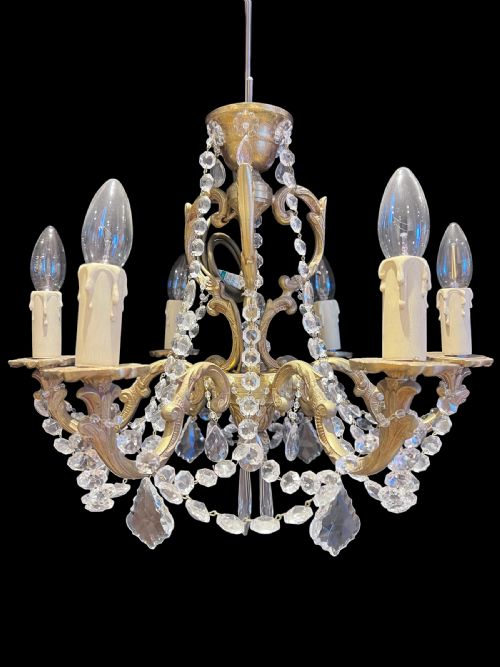
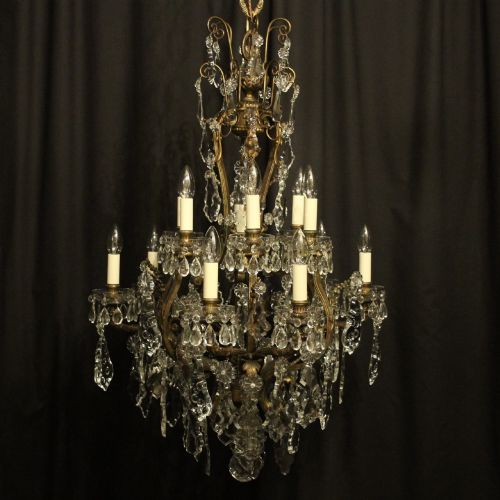
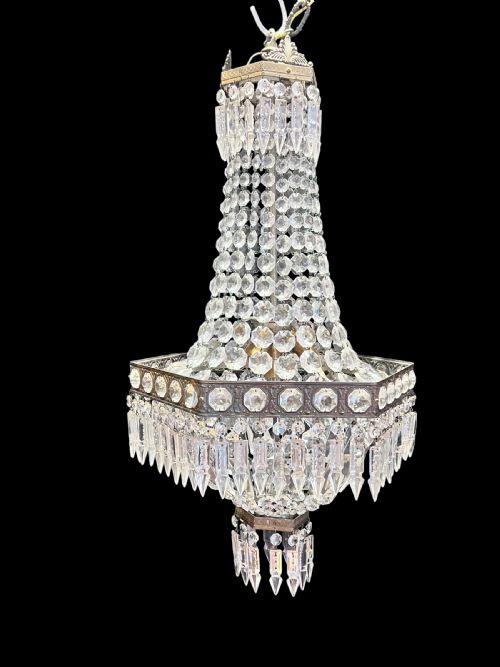
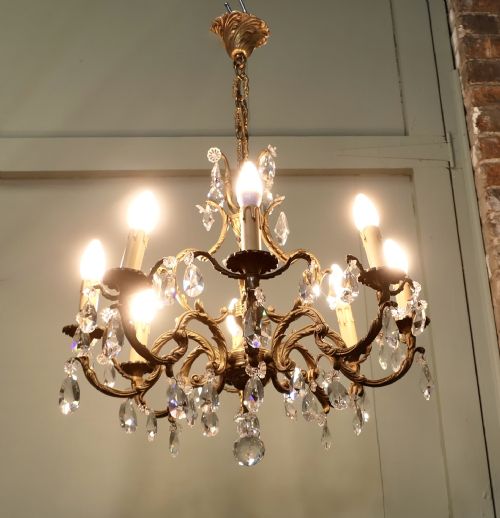
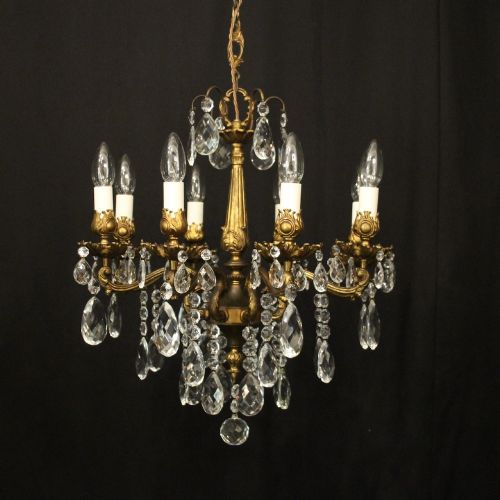
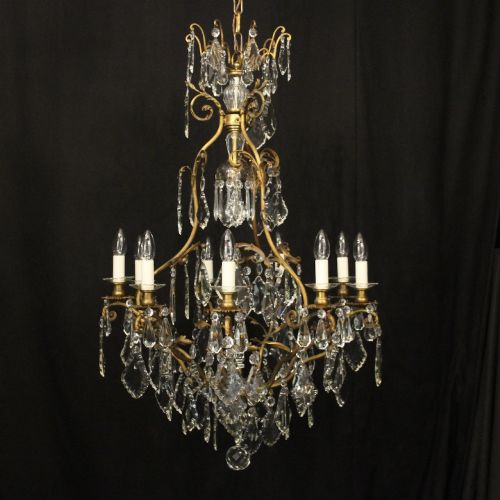
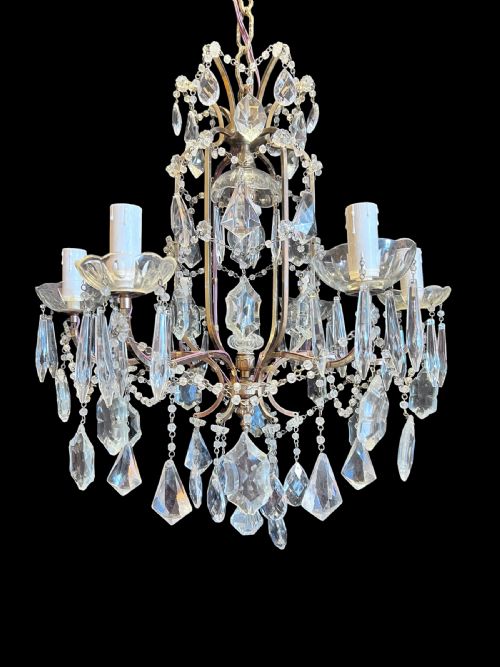
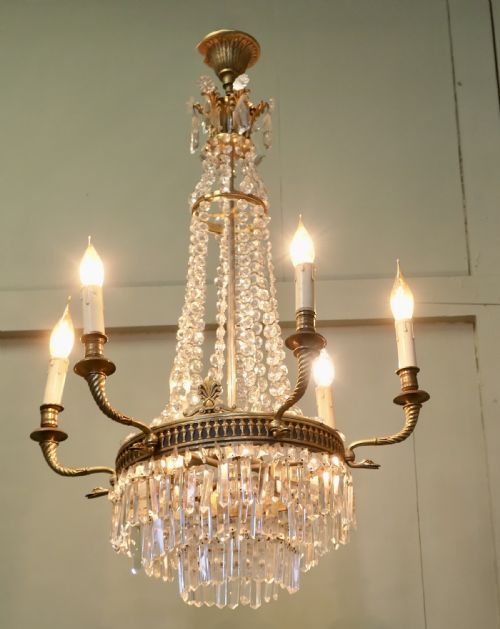
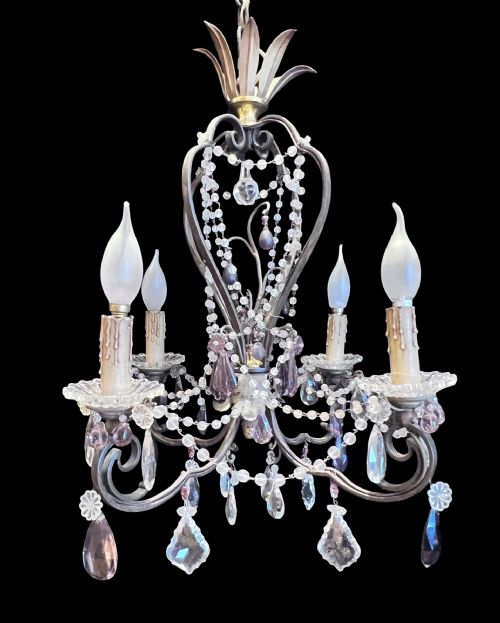
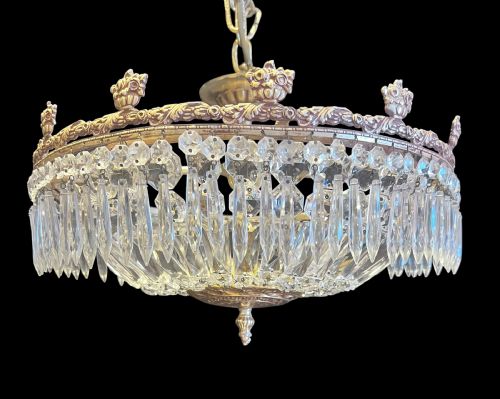
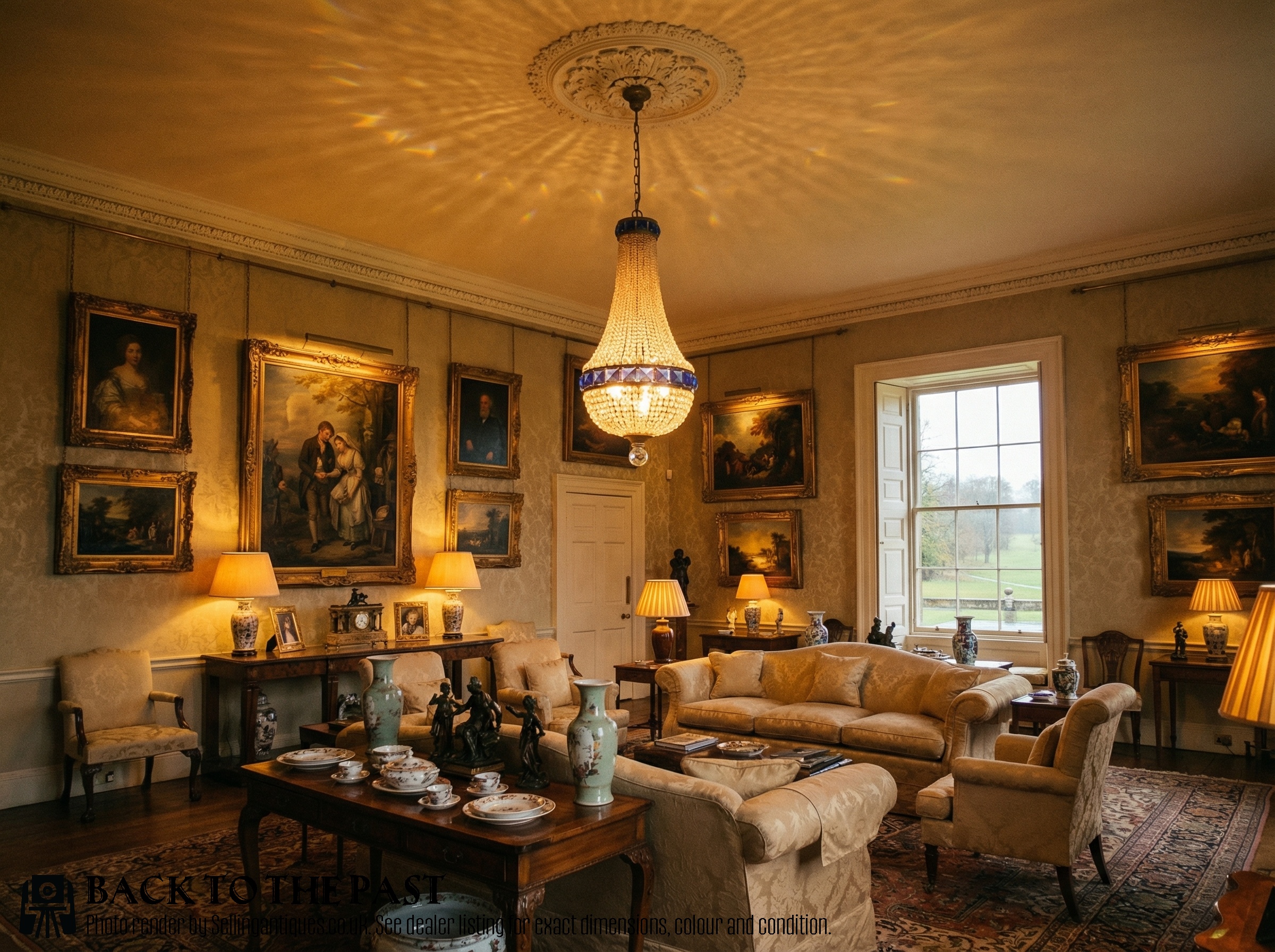
When buyers search for a brass crystal pendant, they encounter ornate hanging light fixtures spanning the nineteenth century through the 1930s. The selection includes French Chateau, French Empire, Italian Neoclassical, and Italian Traditional styles.
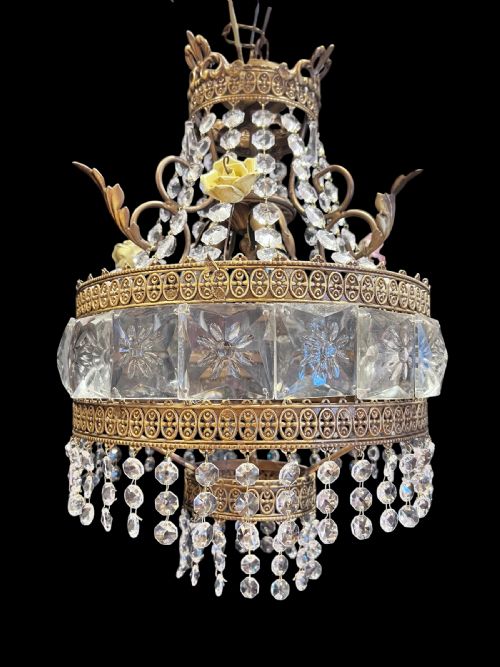
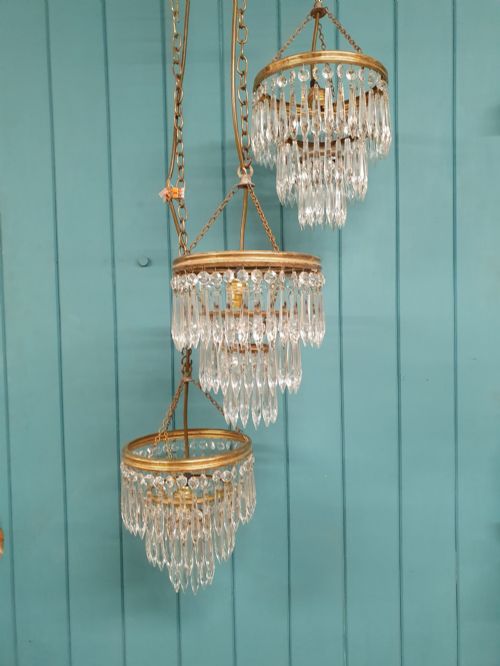
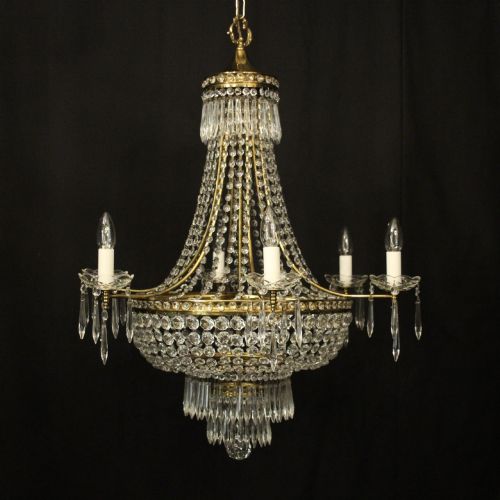
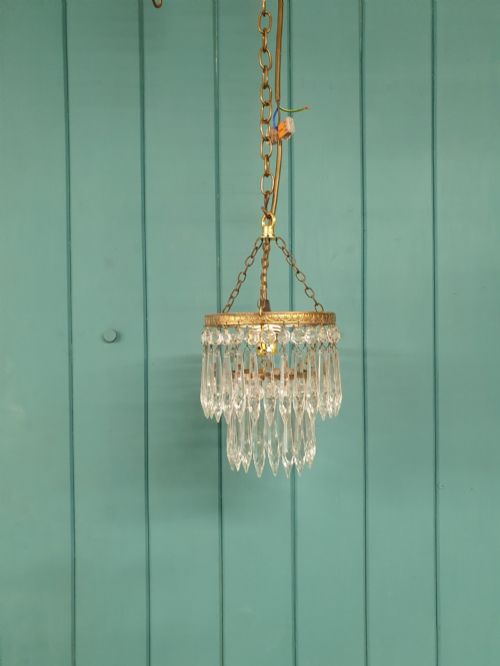
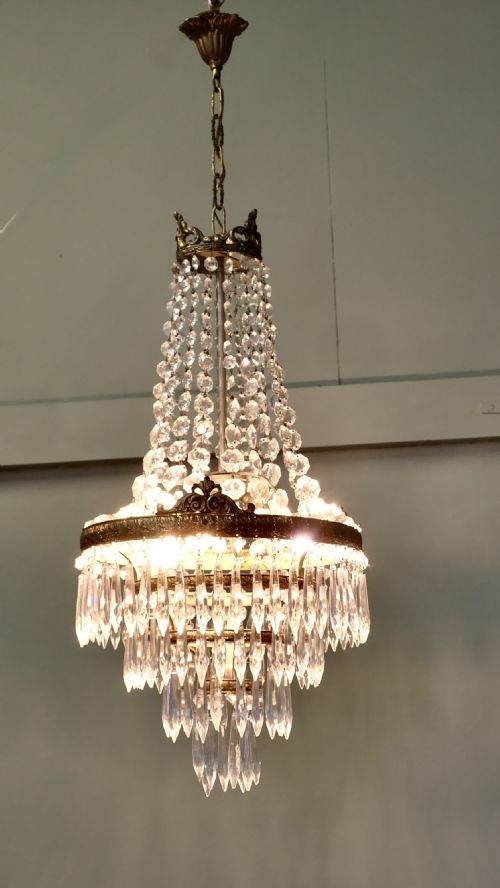
Forms range from compact single-light pendants with decorated brass galleries to grand multi-light chandeliers featuring waterfall and tent configurations. Smaller bead chandeliers with coloured crystals also appear among the offerings.
How they were made
Construction relies upon durable metal frameworks cast in brass, gilded brass, or gilt bronze. These metallic structures provide the necessary armature to support suspended glass components.
The decorative elements consist of cut crystal glass, clear crystals, and coloured prisms. These glass components are arranged into tents, waterfalls, or bead strands attached directly to the metal frames.
Retail Price Guide 2026
Typical UK retail prices for brass crystal pendant, calculated from the Sellingantiques database of over a million retail prices indexed since 2003. This retail price guide relies exclusively on Sellingantiques data; no external sources or auction records are used, so the figures do not describe the wider market.
Materials documented across the listings include standard brass, gilded brass, gilt bronze, crystal, and glass.
What varies in quality
Quality depends upon the intricacy of the metalwork and the clarity of the glass elements. Finishes range from simple brass to richer gilded brass and gilt bronze.
The complexity of the design distinguishes standard pieces from elaborate examples. Multi-light configurations with waterfall drops and coloured crystals represent the more decorative end of the range.
The Brass Crystal Pendant Glossary
- Gallery
- The decorative metal rim or collar at the upper portion of a pendant light fixture that secures the glass body.
- Gilt bronze
- Bronze metal treated with a thin layer of gold or gold-coloured wash to create a lustrous metallic finish.
- Prism
- A cut glass component designed to refract light into spectral colours when illuminated by internal bulbs.
- Tent and waterfall
- A traditional chandelier arrangement where strings of beads form an upper tent shape above a cascading waterfall of crystals.
Frequently Asked Questions
How do I install a brass crystal pendant?
Installation typically requires professional electrical wiring to support the weight of the metal and glass components securely from the ceiling.
Ensure that the junction box can bear the load of heavier gilt bronze and crystal configurations before mounting.
What periods do these pendants come from?
The available lighting spans from the nineteenth century through the early decades of the twentieth century, including pieces from the 1900s, 1920s, and 1930s.
Stylistic influences during these eras draw heavily upon French Empire, Italian Neoclassical, and French Chateau traditions.
How should I clean the crystal elements?
Maintenance involves gentle cleaning of the glass prisms and beads using a mild solution and a soft cloth while the fixture remains unpowered.
Care must be taken around the brass and gilded frames to preserve the original metal finish during upkeep.
What is the difference between brass and gilt bronze?
Brass is an alloy of copper and zinc offering a bright metallic tone, while bronze is an alloy of copper and tin often treated with a gilt finish.
Gilt bronze provides a deeper, richer surface appearance frequently found on high-end nineteenth-century French lighting.