

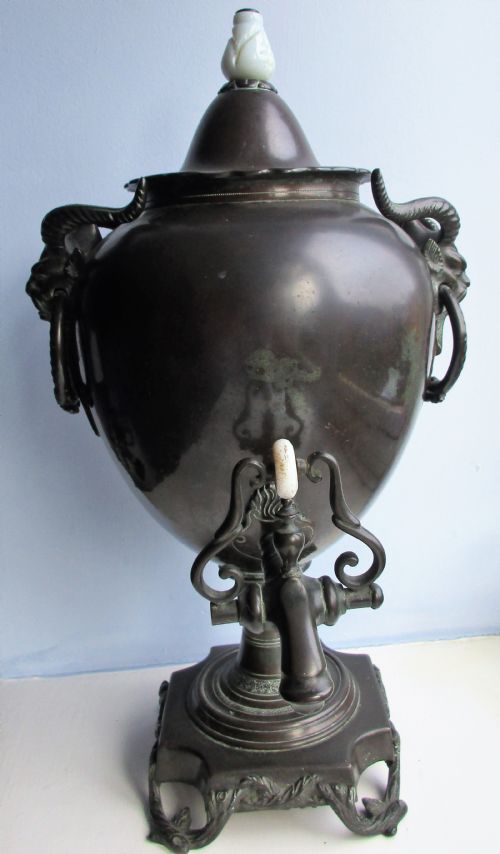
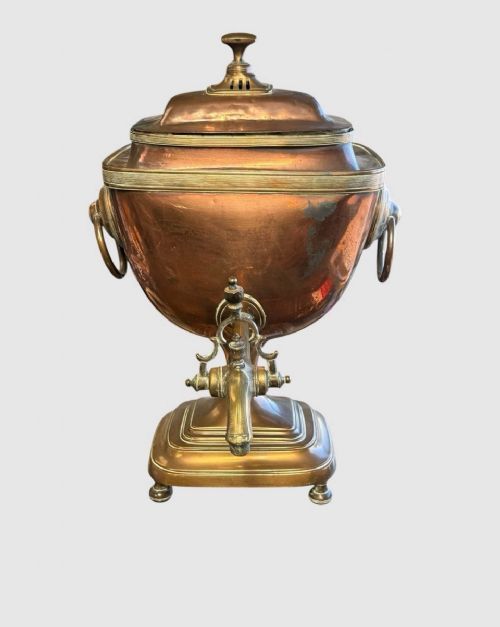


Brass Copper Hot Water Vessel
These brass copper hot water vessel pieces are substantial domestic containers designed for dispensing heated water, combining utility with robust metalwork.
Brass Copper Hot Water Vessel
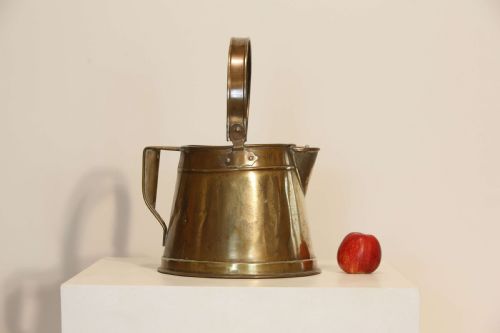
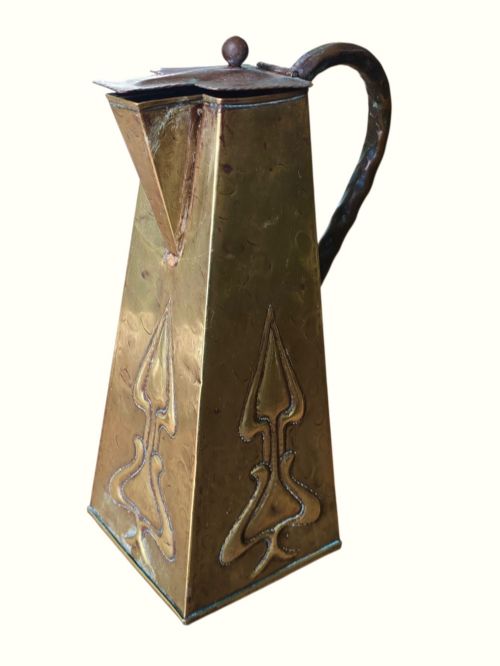
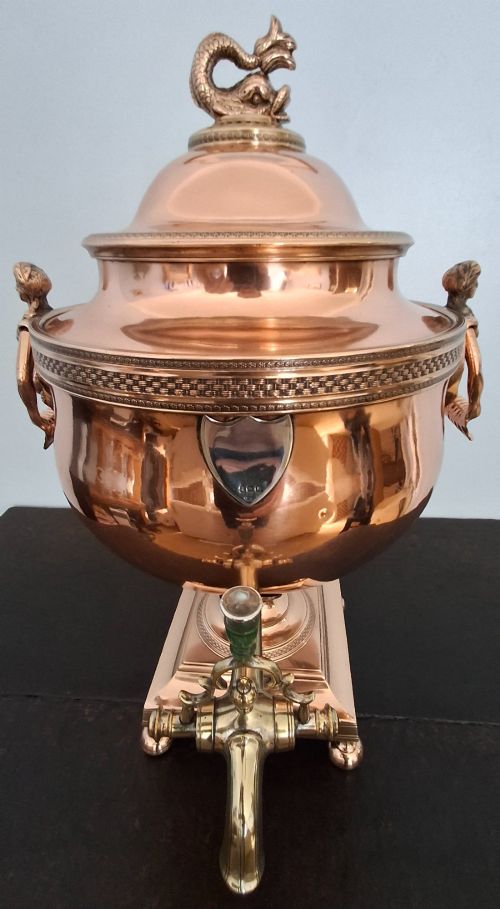
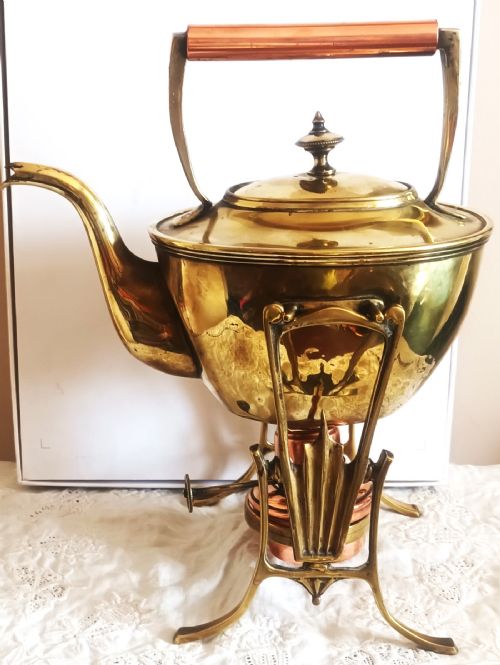
When you search for a brass copper hot water vessel, you encounter utilitarian and decorative containers originating primarily from the Georgian, Regency, and Victorian eras. These items span various forms designed for heating and dispensing water, including samovars, tea urns, spirit kettles, and lidded water jugs.
The most common versions met on this page are Victorian copper samovars and tea urns, alongside earlier Georgian examples and later Arts and Crafts period water jugs. Makers such as William Soutter & Sons and Benetfink & Co of London represent the refined manufacturing output found within these selections.
How they were made
These vessels rely on the combination of copper bodies and brass fittings, occasionally incorporating materials such as bone, wood, ebonised wood, patinated metal, and ceramic details for handles and spigots. The construction demands skilled sheet metalworking, hammering, and joining techniques suited to holding hot liquids under domestic conditions.
Makers utilised contrasting metals to accentuate spouts, handles, and taps against the warm tone of the main copper body. Surface finishes range from polished metallic sheens to rich patinated surfaces developed over centuries of use.
Brass Copper Hot Water Vessel Retail Price Guide 2026
Typical asking prices for brass copper hot water vessel among the pieces listed under this phrase on Sellingantiques today, from the lower quarter to the upper quarter. They describe what is for sale here now, not the wider market.
Some Victorian spirit kettles retain their original tiny burners, ready for an afternoon tea party that has been delayed by a century.
What varies in quality
Quality in these vessels rests upon the gauge of the metal used in the body and the structural integrity of the internal heating elements or compartments. Heavier copper walls and robust cast brass mounts indicate a higher standard of original production.
The sophistication of decorative detailing on the handles, spigots, and pedestals distinguishes standard utility items from finer parlour pieces. Maker attribution through stamps or established workshop signatures further elevates the standing of an individual piece.
William Soutter And Sons·Benetfink And Co
The Brass Copper Hot Water Vessel Glossary
- Samovar
- A heated metal container traditionally used to boil and heat water in Russia and throughout European households.
- Spirit kettle
- A portable kettle mounted on a stand above a small spirit burner, designed to keep water hot at the tea table.
- Tea urn
- A large vessel fitted with a tap, used for serving hot water or tea to gatherings.
- Pontypool ware
- Japanned metalware produced in Wales, known for its durable and decorative lacquered finishes.
- Arts and Crafts
- A design movement prioritising traditional craftsmanship, simple forms, and visible construction methods.
Brass Copper Hot Water Vessel: Frequently Asked Questions
What is a brass copper hot water vessel used for?
These vessels were utilised in domestic settings for heating and dispensing water during tea service and formal dining. They provided a steady supply of hot water before the widespread adoption of modern electric kettles.
Larger samovars and urns sat on sideboards or dining tables, whilst smaller spirit kettles functioned closer to the guests for continuous tea preparation throughout the afternoon.
How do I date a copper samovar?
Dating relies on stylistic markers, construction methods, and any maker's marks stamped onto the metal. Georgian and Regency pieces typically feature neoclassical urn shapes with delicate handles, whereas Victorian examples tend to be heavier and more ornate.
Comparing the form of the tap, the shape of the base, and the method of joining the metal panels helps narrow the period of manufacture.
How do I care for antique brass and copper?
Maintenance involves gentle dusting and occasional cleaning with appropriate metal care products if a bright finish is desired. Many collectors prefer to leave the natural patina undisturbed to preserve the historical appearance of the metal.
Keeping the vessels in a stable environment away from excessive moisture prevents active corrosion on both the copper body and the brass mounts.
Can these vessels still be used to boil water?
Most antique pieces function primarily as decorative objects or collection items rather than practical kitchen appliances. Internal repairs and thorough testing by a specialist would be necessary before exposing historic soldered joints to boiling water again.
Displaying them dry protects the internal surfaces from mineral deposits and maintains the structural integrity of the original metalwork.