

Brass Collectable
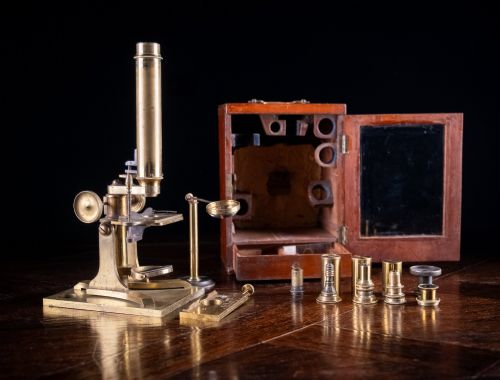
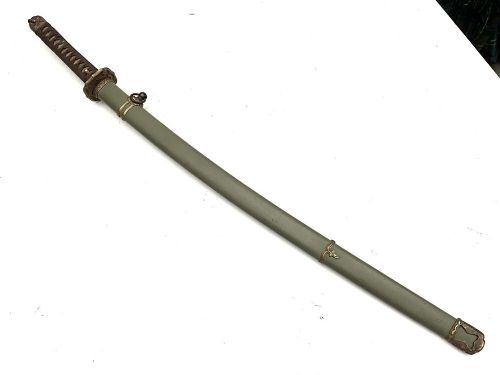
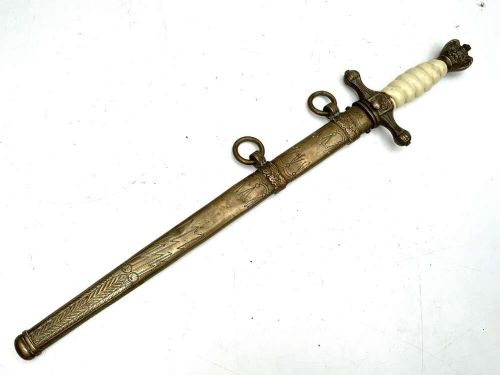
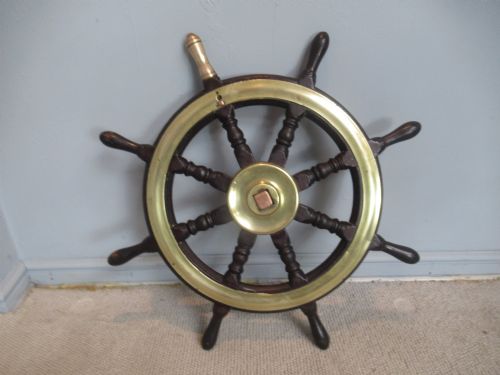
These brass collectable pieces range from scientific instruments and carriage clocks to military items and desk models spanning multiple centuries.
Brass Collectable
A brass collectable encompasses a wide array of functional objects, scientific instruments, and military hardware produced across the eighteenth, nineteenth, and early twentieth centuries. These items reflect practical engineering, maritime navigation, and domestic utility from periods such as the Georgian, Victorian, and Edwardian eras.
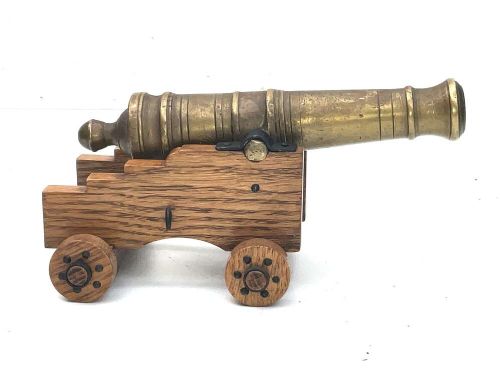
The selection on this page frequently includes carriage clocks, surveying equipment, desk accessories, and scale models incorporating brass components. Buyers often encounter navigational tools like station pointers and sextants alongside firearm accessories and car mascots.
Originating from British, French, and other European workshops, these objects combine utilitarian design with decorative metalwork. They serve both as historical artefacts and desktop display pieces for collectors of precision instruments and metalware.
How they were made
Manufacturing relied heavily on cast and turned brass, often paired with secondary materials such as steel, wood, glass, and leather. Metalworkers used lathes and hand-finishing techniques to shape components for scientific instruments, clocks, and desk accessories.
Surface treatments included polishing, gilding, and engraving to enhance both legibility on dials and aesthetic appeal on decorative items. Structural elements frequently joined brass housings with internal movements or wooden stocks using threaded fasteners and precise joinery.
Brass Collectable Retail Price Guide 2026
Typical asking prices for brass collectable among the pieces listed under this phrase on Sellingantiques today, from the lower quarter to the upper quarter. They describe what is for sale here now, not the wider market.
Listings feature brass combined with walnut, glass, enamel, leather, and steel across the 18th, 19th, and early 20th centuries.
What varies in quality
Quality depends on the precision of mechanical execution, the crispness of engraved markings, and the original integrity of the component parts. Items produced by known makers or specialised government contractors typically exhibit tighter tolerances and superior finishing.
The preservation of original surface finishes, dial glass, and associated fitted boxes strongly influences the standing of an individual piece. Lesser examples display heavy wear, indistinct stampings, or replaced elements that diminish their historical utility.
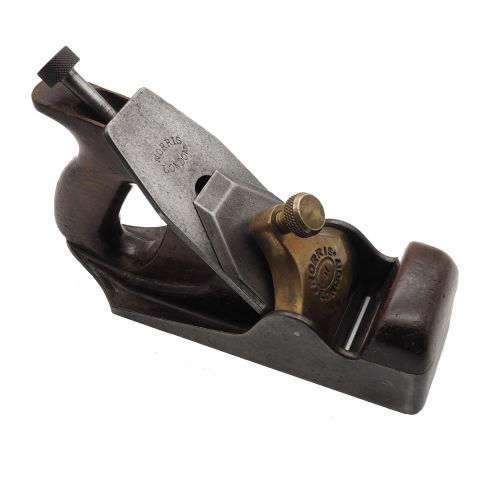
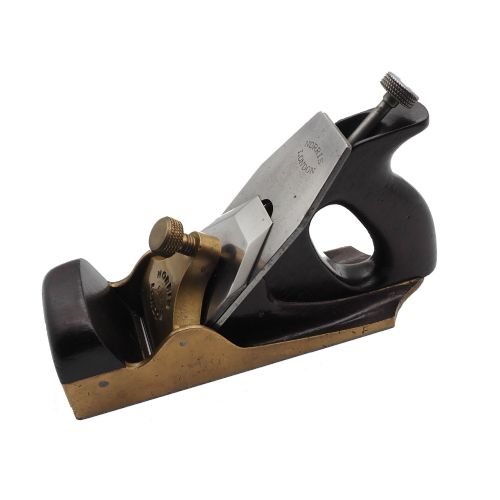
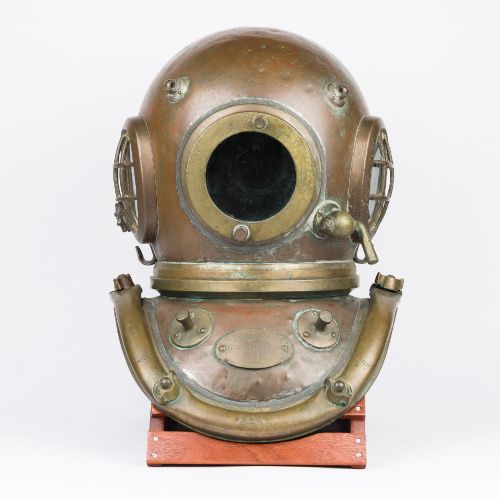
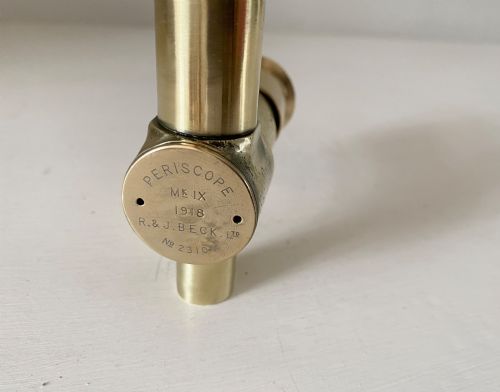
Hughes & Son·Norris London·Siebe Gorman·R & J Beck Ltd·Dunhill·Henry Nock
The Brass Collectable Glossary
- Carriage clock
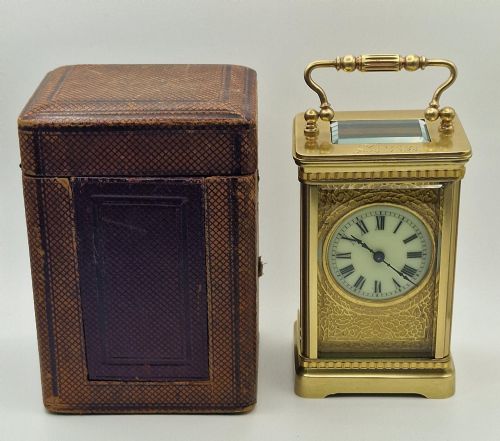
- A small, portable spring-driven clock designed for travellers, typically featuring a brass frame inset with glass panels. These timepieces originated in France and often include lever escapements.
- Station pointer
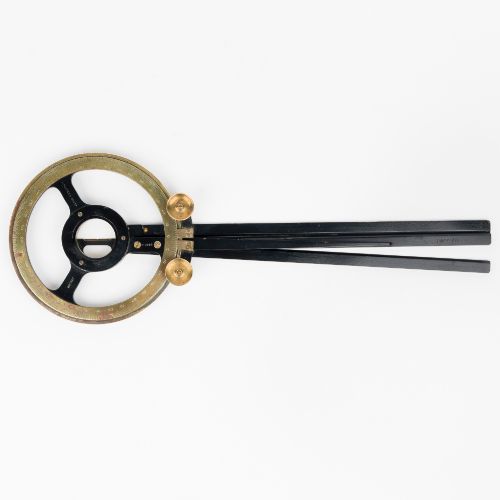
- A navigational three-arm protractor used in maritime hydrographic surveying to determine a ship's position by simultaneous angle measurement. These precision instruments are constructed from brass and metal alloys.
- Powder flask
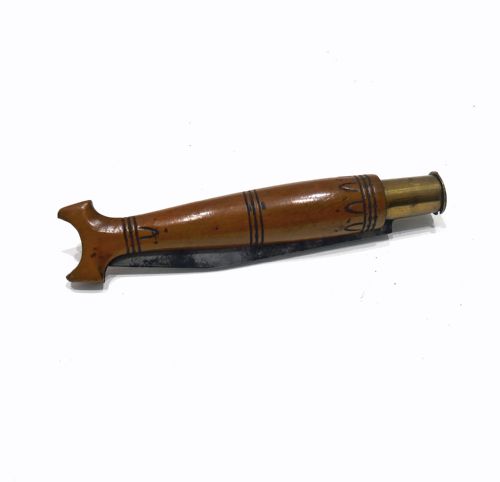
- A measured container used to hold and dispense gunpowder for muzzle-loading firearms, frequently fashioned from brass, copper, or leather during the nineteenth century.
- Car mascot
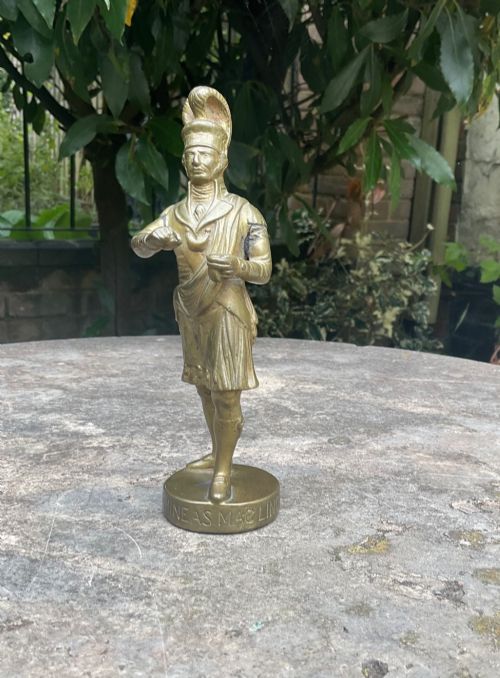
- A decorative sculpture mounted on the radiator cap of a motor car, produced in materials like brass and bronze during the early motoring era.
Brass Collectable: Frequently Asked Questions
What periods do these pieces date from?
The inventory spans the eighteenth, nineteenth, and early twentieth centuries, encompassing Georgian, Victorian, and Edwardian manufacturing.
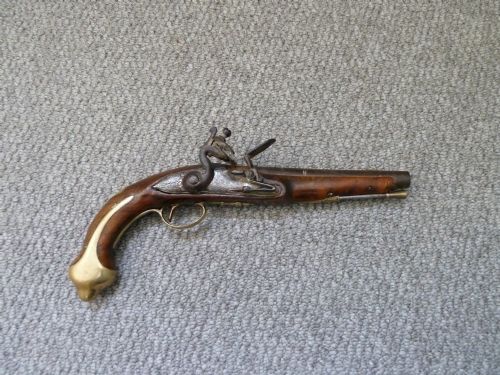
Items range from eighteenth-century flintlock pistols and marine equipment to early twentieth-century engineering tools and wartime aviation instruments.
How were scientific instruments used?
Scientific instruments like station pointers and sextants served practical navigation, surveying, and cartography roles on land and at sea.
Precision markings and brass optics allowed operators to calculate positions, angles, and distances with high accuracy.
How do I care for brass items?
Maintain brass objects by keeping them in stable indoor environments away from excessive moisture and direct handling that transfers skin oils.
Avoid aggressive chemical polishes that strip historical patination, opting instead for gentle dusting with a soft, dry cloth.
Are desk models and scientific instruments original?
The pieces reflect period manufacturing techniques, materials, and maker signatures appropriate to their stated dates of origin.
Examining internal movements, mounting hardware, and maker stamps helps confirm the period authenticity of each item.