

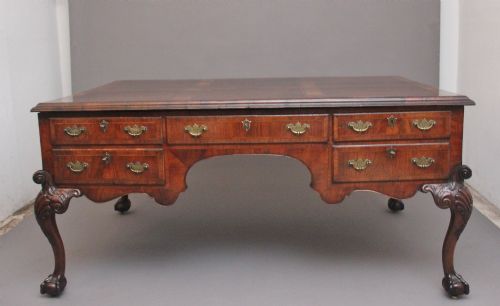
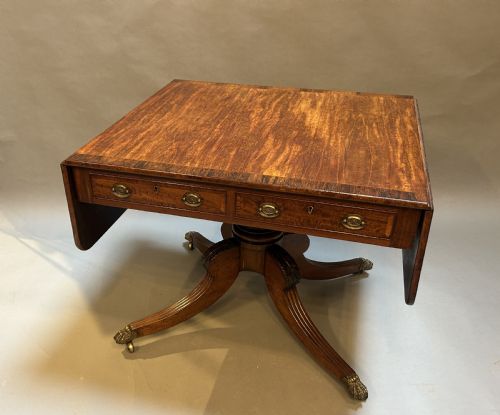
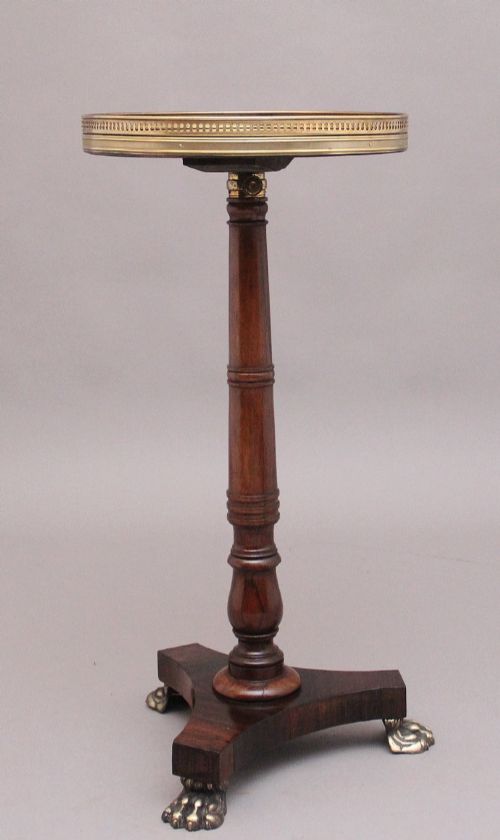
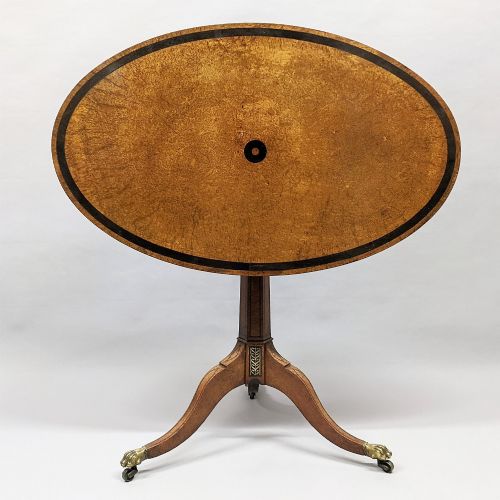


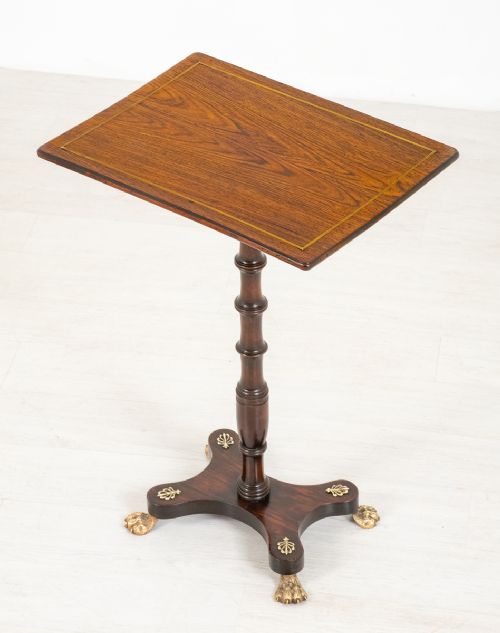


Brass Claw Side Table
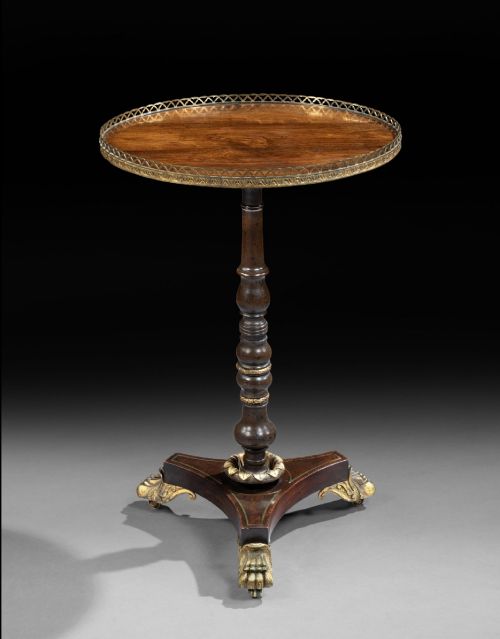
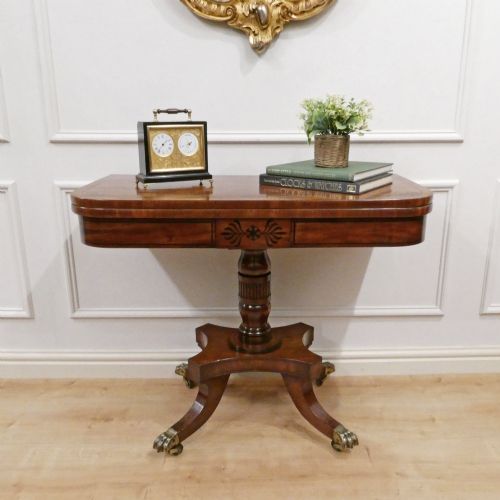
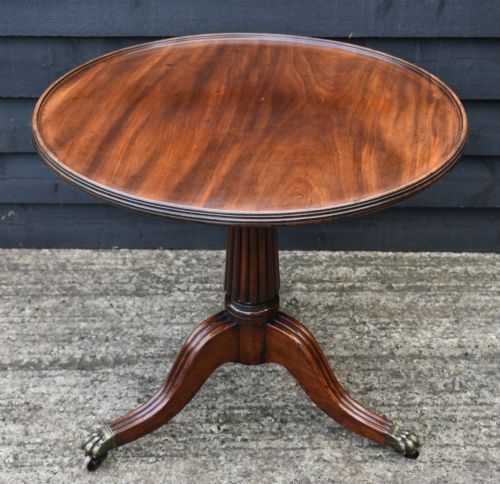
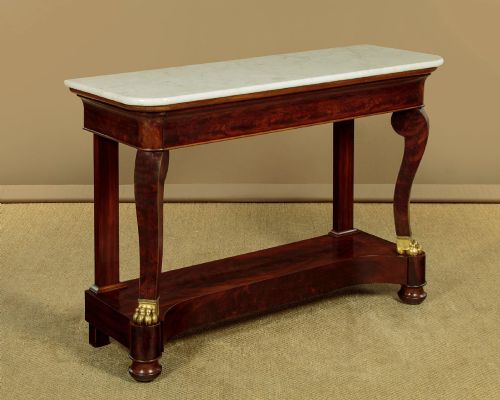
These pieces known as a brass claw side table bring practical surface area and historic character to a room through cast metal mounts and dense timbers.
Brass Claw Side Table
A brass claw side table combines compact timber surfaces with distinct metal feet, appearing frequently in Regency, Victorian, and Edwardian forms. Buyers looking for this specific type of small furniture encounter various configurations including occasional tables, lamp tables, and sofa tables.
The materials span mahogany, rosewood, and burr oak veneer, anchored by brass details that define the aesthetic of each period. These pieces originate from the eighteenth, nineteenth, and early twentieth centuries, reflecting changing domestic needs for movable display and surface space.
While the search specifies a side table, the underlying forms encompass tilt-top tables, work tables, and console tables sharing the characteristic metal paw or claw foot. The selection bridges formal Regency designs and later revival styles.
Materials and construction
Cabinetmakers utilised dense hardwoods such as mahogany and rosewood, often applying veneers of burr oak or amboyna over secondary timbers to achieve rich surface grain. Structural stability relied on traditional joinery, including mortise and tenon frames, dovetailed drawers, and turning.
Cast brass components formed the distinct feet and mounts, sometimes enhanced by fine chasing or combined with brass stringing inlaid directly into the timber top. Polishing with shellac produced a gloss finish that highlighted the natural colour of the wood.
Brass Claw Side Table Retail Price Guide 2026
Typical asking prices for brass claw side table among the pieces listed under this phrase on Sellingantiques today, from the lower quarter to the upper quarter. They describe what is for sale here now, not the wider market.
Recorded forms range from compact occasional tables and lamp tables to expansive sofa tables and writing desks.
Distinction in quality
Quality rests upon the crispness of the brass casting and the selection of timber veneers, where highly figured grains and balanced matching elevate a piece above standard utility items. The precision of inlaid brass stringing and the integration of the feet into the leg design indicate skilled workshop execution.
Proportion and structural integrity distinguish finer examples, ensuring the table remains stable and balanced despite the decorative weight of the metal mounts. The retention of original patination on both the timber and the brass indicates careful preservation over generations.
Muirhead Moffat & Co
The Brass Claw Side Table Glossary
- Ormolu
- Gilded bronze or brass applied as mounts, feet, or decorative enrichment on furniture. This technique creates a bright metallic contrast against dark hardwoods.
- Palisander
- A dense, dark timber resembling rosewood, often featuring rich grain patterns utilised in nineteenth-century cabinetmaking. It provides a durable and decorative surface for high-status tables.
- Tilt-top
- A tabletop mechanism that pivots vertically on a central pedestal for compact storage when not in use. This clever design was popular in Georgian and Regency drawing rooms.
- Lowboy
- A small, low dressing or side table typically fitted with one or more drawers beneath the surface. These pieces date predominantly from the eighteenth and early nineteenth centuries.
- Drop-flap
- A hinged leaf attached to the main surface that extends the table area when supported by swinging brackets or legs. This flexible arrangement suits smaller domestic spaces.
Brass Claw Side Table: Frequently Asked Questions
What is a brass claw side table?
A brass claw side table is a compact item of historic furniture featuring timber construction supported by distinctive metal paw or claw feet.
These pieces typically date from the Regency or Victorian eras and serve as functional surfaces for lamps, display, or writing.
How do I date these tables?
Dating relies on identifying the underlying timber, the style of the legs, and the method of brass construction.
Earlier pieces from the Georgian and Regency periods use solid mahogany or rosewood with hand-cast mounts, whereas later revival items often employ machine-made details and different veneer thicknesses.
Where were these tables used?
These tables sat primarily in drawing rooms, parlours, and hallways as decorative yet functional surface furniture.
Homeowners used them to hold candlesticks, tea caddies, or reading material within accessible reach of seating areas.
How do I care for the timber?
Maintenance involves applying quality beeswax and buffing gently with a soft cloth to nourish the wood and preserve the traditional sheen.
Keep these tables away from direct heat sources and strong sunlight to prevent the timber and veneer from drying out.