



Brass Castor Desk Chair
A brass castor desk chair is a sturdy seating option designed for study, providing mobility and support across various historical periods.
Brass Castor Desk Chair
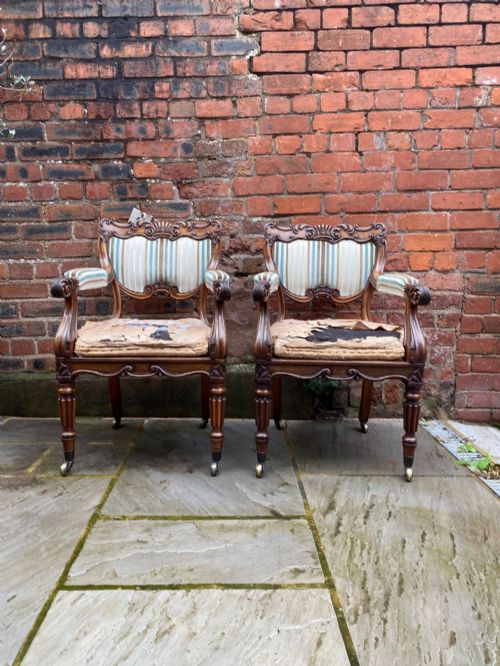
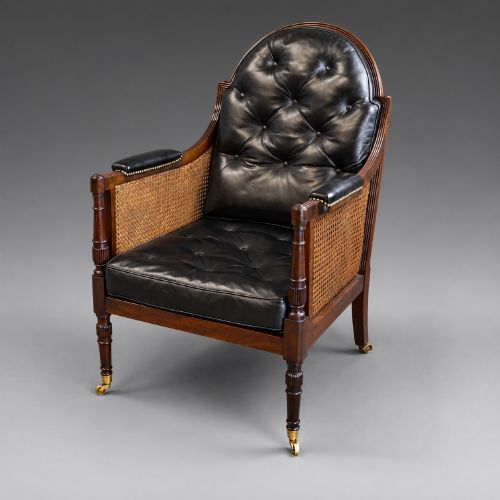
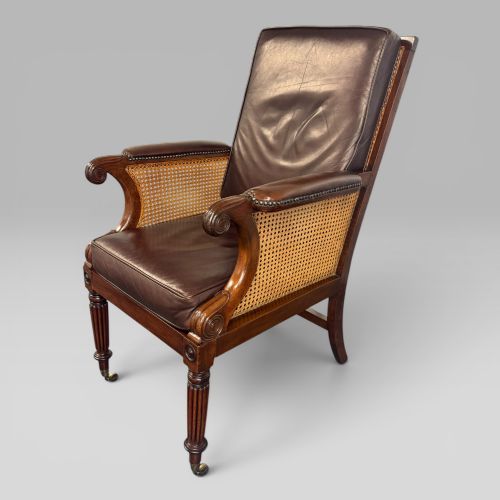
A brass castor desk chair represents a practical form used for writing, reading, and administrative work in libraries and studies. When exploring this selection, buyers frequently encounter mahogany and rosewood examples dating from the Regency and Victorian eras.
The objects span armchairs and side chairs, with specific forms including library bergères, cockfighting chairs, and open armchairs. Origins trace across the nineteenth century, encompassing Georgian influences through to Edwardian interpretations.
Construction and materials
Makers utilised dense timbers such as mahogany, rosewood, and satinwood to build resilient frames capable of supporting daily use. These woods were frequently polished or inlaid to accentuate the natural grain.
Upholstery methods incorporated leather, fabric, cane, Hessian, and corduroy for seating surfaces and backrests. Metal castors in brass were fitted to the feet to allow smooth movement across floor surfaces.
Brass Castor Desk Chair Retail Price Guide 2026
Typical asking prices for brass castor desk chair among the pieces listed under this phrase on Sellingantiques today, from the lower quarter to the upper quarter. They describe what is for sale here now, not the wider market.
Listings feature mahogany, rosewood, oak, and satinwood across Regency and Victorian periods.
Evaluating standard and execution
Distinction in quality relies upon the precision of the timber carving, the integrity of the joinery, and the refinement of the brass castor mountings. Superior examples display harmonious proportions and careful attention to structural detail.
The selection of primary wood veneers, the complexity of inlay work, and the preservation of original upholstery materials influence the standing of an individual piece within its period.
Hindley & Sons·Gillows·Daws
The Brass Castor Desk Chair Glossary
- Bergère
- An enclosed upholstered armchair with a cane or fabric back and sides. This French-inspired form became popular in British libraries during the Regency period.
- Castor
- A small wheel fitted to the foot of a piece of furniture to facilitate rolling. Brass versions provide both functional mobility and decorative contrast against dark timber legs.
- Reeded
- A decorative moulding consisting of parallel convex strips resembling parallel reeds. It appears frequently on the legs and arm supports of nineteenth-century seating.
- Inlaid
- A technique where pieces of contrasting material are inserted into a recessed surface to form a pattern. Mahogany frames often incorporate this decorative treatment.
Brass Castor Desk Chair: Frequently Asked Questions
What periods do these chairs cover?
The available selection spans the Regency and Victorian eras, alongside pieces dated to specific years like eighteen-sixty and nineteen-hundred. Georgian and Edwardian influences also appear across the inventory.
Buyers find both formal library seating and occasional chairs reflecting design shifts from the early nineteenth century onward.
Which woods were used for frames?
Cabinet makers predominantly selected mahogany and rosewood for their strength and rich dark tones. Satinwood and polished oak also feature in the construction of specific frames.
These dense timbers provided the necessary stability for seating designed to support movement on castors.
How do castors affect mobility?
Brass castors fitted to the base of the legs allow the chair to glide across carpeted or wooden floors without lifting. This mechanism supported practical use at desks and reading tables.
The metal fittings contribute a polished accent to the lower portions of the legs.
What upholstery materials are common?
Seating surfaces and backrests utilise leather, fabric, corduroy, Hessian, and woven cane. These materials vary depending on the specific form, from leather on library chairs to cane on bergères.
Original textiles provide historical context regarding how the seating was finished.