






Brass Branch Lamp
These brass branch lamp fixtures bring botanical form and period light to a room, ranging from multi-armed chandeliers to reading lights.
Brass Branch Lamp
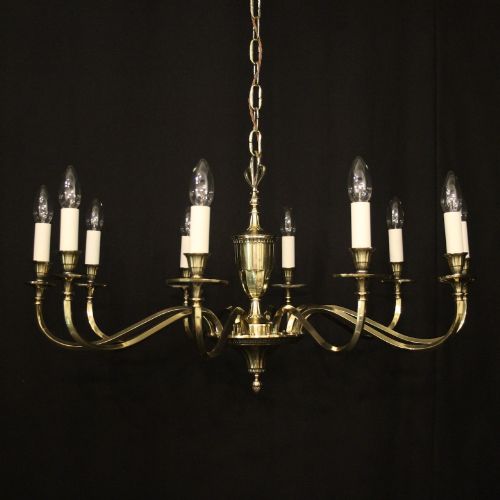
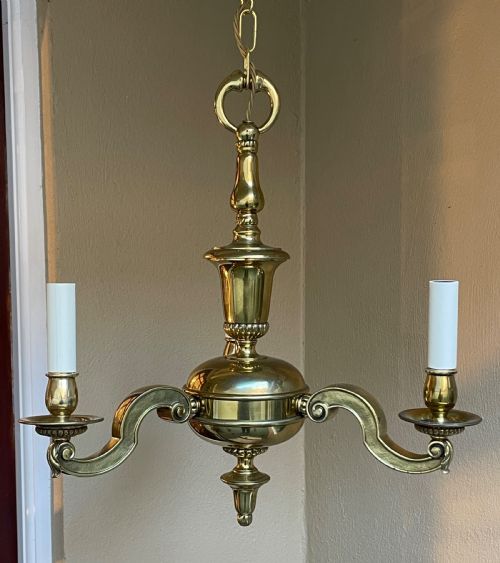
A brass branch lamp combines structural metalwork with organic branching forms to hold multiple lights across various interior settings. When searching for a brass branch lamp, buyers encounter pieces spanning the Victorian, Edwardian, and 1920s periods, alongside 19th-century examples.
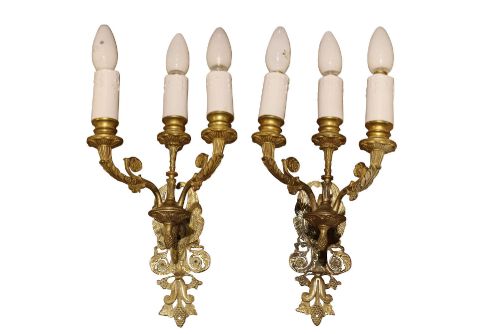
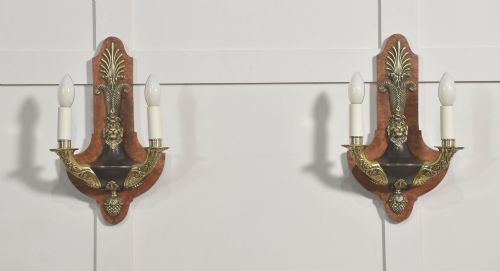
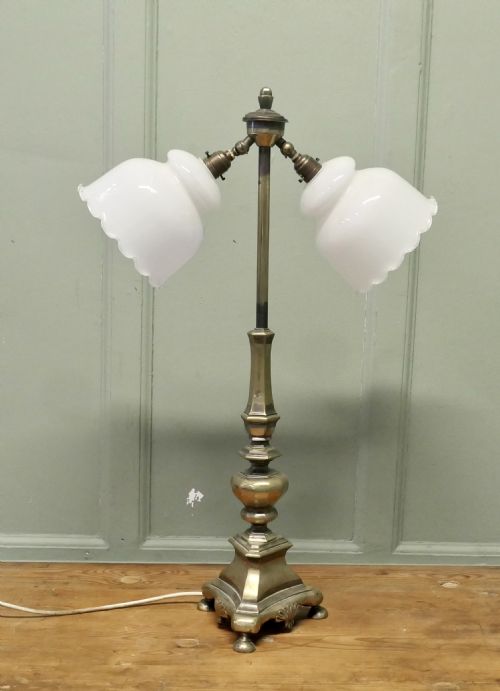
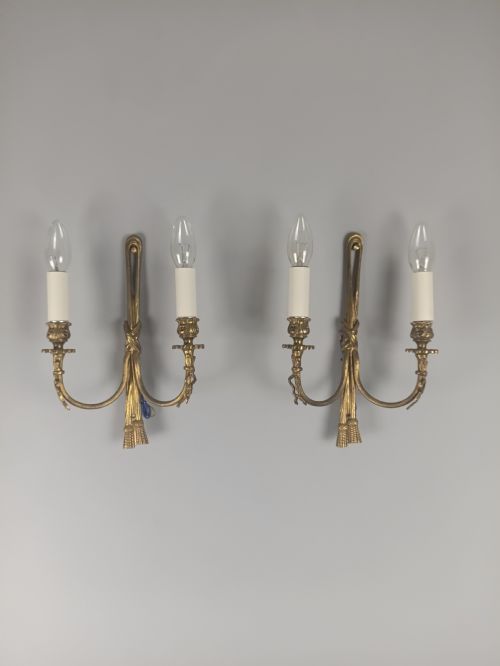
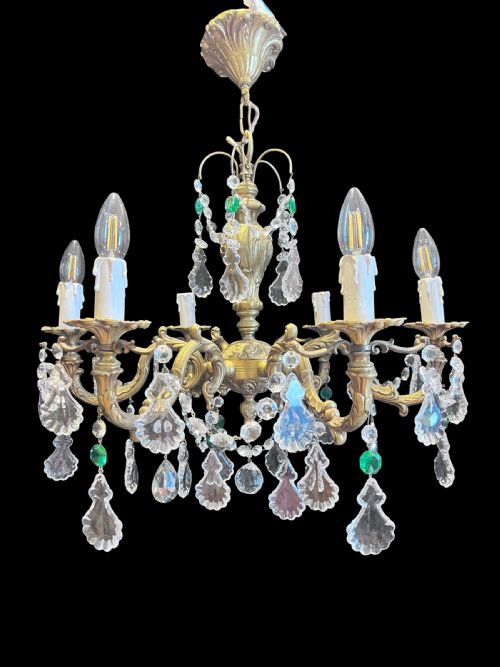
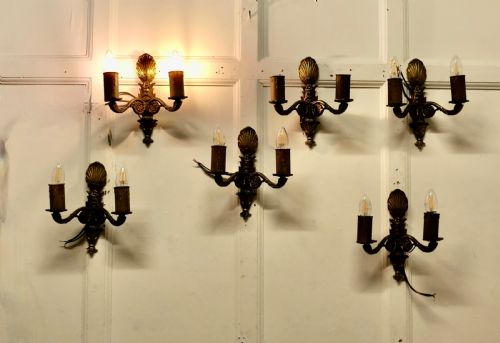
The selection includes multi-arm chandeliers, wall lights, ceiling lights, and table-top variants like bouillotte lamps and girandoles. French Chateau, Neoclassical, Empire Style, and Dutch Baroque influences shape the design of many pieces on the page.
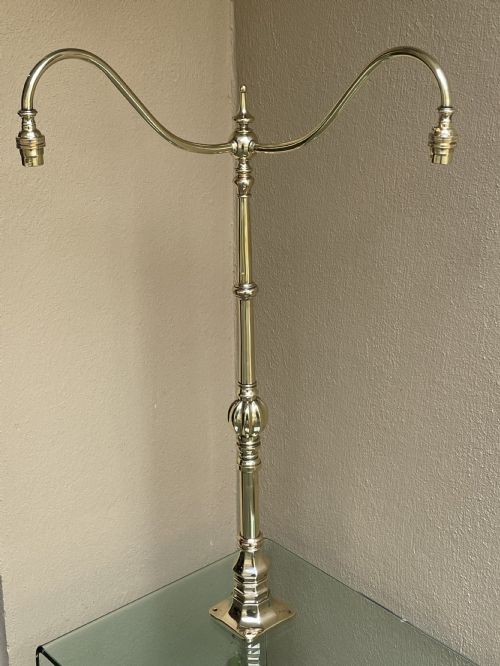
Standard lamps, newel post lamps, and billiard lights also appear within the inventory, providing directional or ambient illumination through twin or multi-branch configurations.
Materials and construction methods
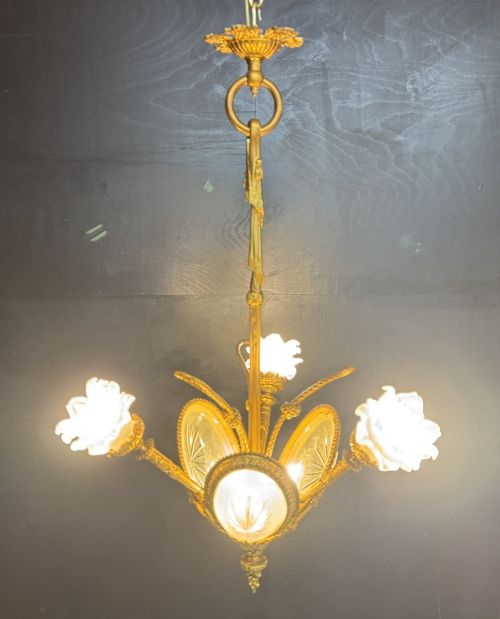
Maker construction relies heavily on cast brass, gilt brass, ormolu, and gilt bronze, often paired with glass, crystal, and fabric components. Metal casting techniques allow for detailed mounts such as acanthus leaves or ribbon motifs.
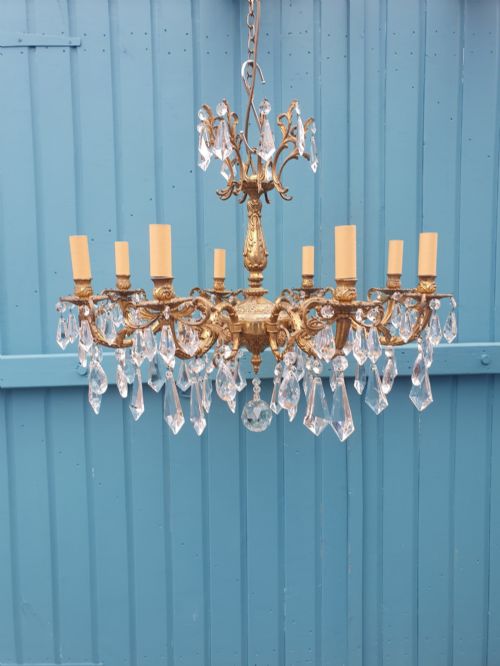
Many items integrate cut glass crystal drops or coloured crystals to refract the light emitted from the multiple branches. Iron and copper also emerge within specific stylistic pieces from the nineteenth and early twentieth centuries.
Brass Branch Lamp Retail Price Guide 2026
Typical asking prices for brass branch lamp among the pieces listed under this phrase on Sellingantiques today, from the lower quarter to the upper quarter. They describe what is for sale here now, not the wider market.
Even a quiet parlour feels like a French chateau once a twelve-branch ormolu chandelier joins the conversation.
Assessing quality in branch lighting
Quality rests upon the crispness of the metal casting and the precision of the assembly among the branches. Finer examples display sharp definition in decorative elements like acanthus leaves or cast mounts, whereas lesser pieces show softer surface details.
The integration of materials also defines the tier of a piece, particularly the clarity of cut glass crystals and the depth of the gilt bronze or ormolu finish applied to the brass body.
F. & C. Osler
The Brass Branch Lamp Glossary
- Ormolu
- A gilded bronze technique used extensively on decorative metalwork and mounts during the 18th and 19th centuries. It provides a rich, gold-coloured finish to the brass or bronze surface.
- Girandole
- A branched candleholder or light fixture, often featuring mirrors or crystal drops to reflect illumination. These appear as table lamps or wall sconces.
- Bouillotte lamp
- A traditional table lamp featuring a central shaft with multiple branches and an adjustable shade. They frequently appear in mid-period French designs.
- Newel post lamp
- A light fixture mounted to the newel post at the base or turn of a staircase. These provide both functional hall lighting and decorative presence.
- Acanthus
- A classical leaf ornament utilised in architectural and furniture design for centuries. Cast acanthus leaf mounts appear frequently on branch lighting from the early 20th century.
Brass Branch Lamp: Frequently Asked Questions
Where were these lamps used?
These branch fixtures served various rooms depending on their format, from grand chandeliers in principal reception spaces to reading lamps on desks. Wall lights and girandoles provided localized illumination along hallways and parlours.
Specialised forms like billiard lights illuminated game tables, while newel post lamps lit entryways and staircases.
How do I date a brass lamp?
Dating relies on identifying stylistic markers, manufacturing techniques, and materials characteristic of specific eras such as the Victorian period, the Edwardian era, or the 1920s. Empire and Neoclassical revival styles often incorporate distinct proportions and cast ornamentations.
Examining the wiring methods, mount construction, and crystal cuts helps narrow down the period of manufacture.
Can these antique lamps take modern bulbs?
Many period fixtures have been adapted for modern electrical standards while retaining their original brass and crystal bodies. Rewiring ensures safe integration into contemporary home circuits.
It is advisable to consult a professional electrician regarding bulb wattage compatibility and installation requirements for heavier chandeliers and wall lights.