





Brass Bound Tub
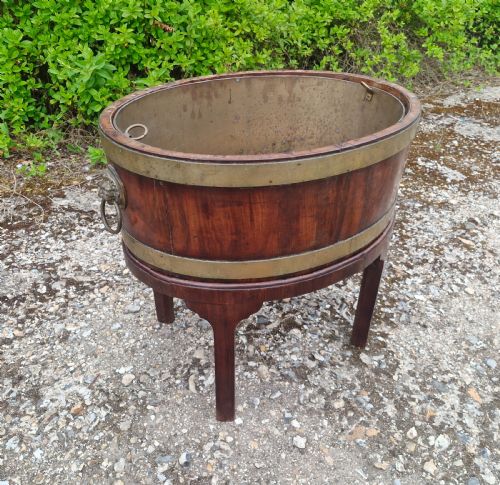
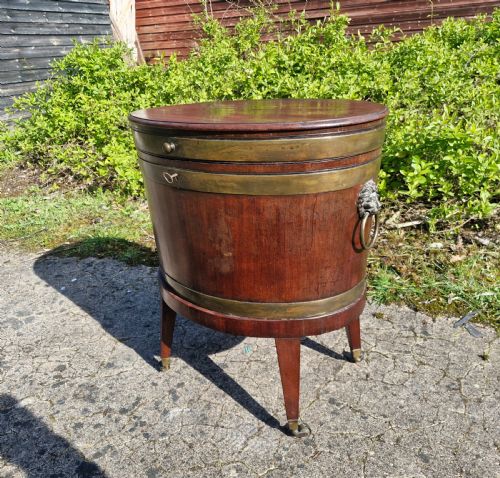
A brass bound tub brings centuries of coopered craftsmanship and warm metalwork into a room, serving equally as a wine cooler, jardinière or umbrella stand.

Brass Bound Tub
When searching for a brass bound tub, you encounter robust domestic vessels historically designed for holding wine, peat, water or butter. The selection here spans the eighteenth, nineteenth and early twentieth centuries, drawing heavily on Georgian and Edwardian forms.
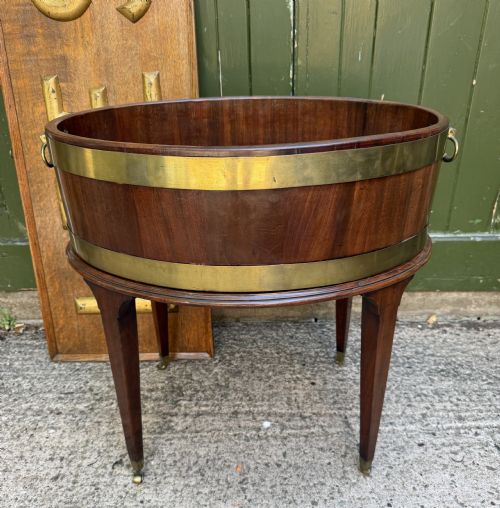
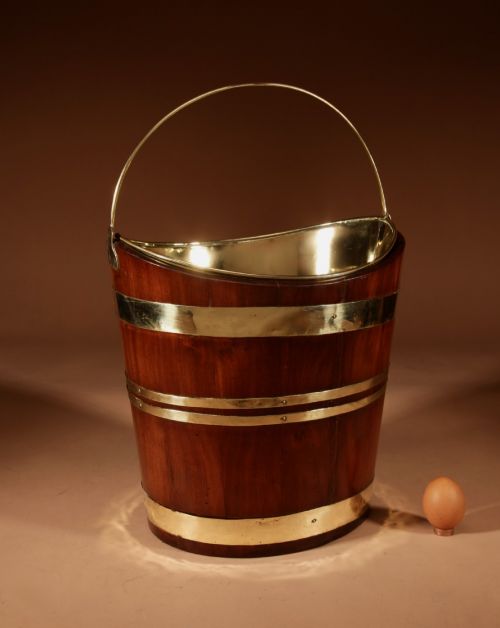
Mahogany and oak dominate the timber choices, frequently shaped through coopered stave construction. You will meet oval wine coolers on stands, boat-shaped peat buckets, and sturdy floor-standing umbrella holders.
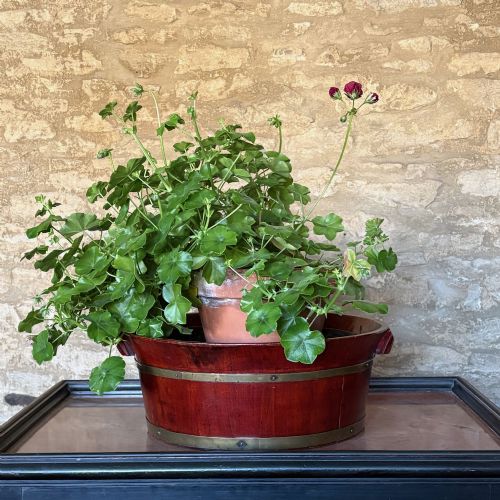
Many examples double as planters or jardinières, adapting a utilitarian serving vessel for botanical display. The unifying characteristic across these pieces remains the heavy brass banding securing wooden staves.
How they were made
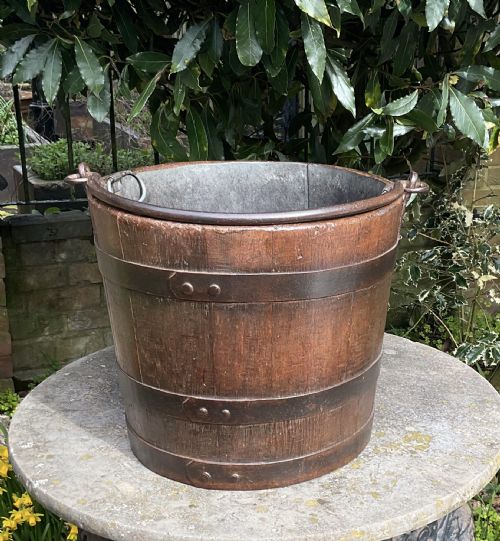
Coopers constructed the bodies of these vessels from vertical timber staves of mahogany, oak or mixed hardwoods, drawing them tightly together with metal hoops. Brass, copper and iron provide the characteristic structural bands and carrying handles that secure the assembly.
Many internal configurations relied on zinc, copper or lead liners to retain liquids or damp soil without damaging the exterior wood. Joinery techniques combined traditional stave-matching with dovetail joints on stands where applicable.
Brass Bound Tub Retail Price Guide 2026
Typical asking prices for brass bound tub among the pieces listed under this phrase on Sellingantiques today, from the lower quarter to the upper quarter. They describe what is for sale here now, not the wider market.
Sailors stored their daily rum rations in robust coopered grog tubs aboard naval vessels.
What varies in quality
The distinction between standard utility items and finer pieces lies in timber selection and the weight of the metalwork. Finely figured mahogany and robustly cast brass bands separate decorative display pieces from basic workaday tubs.
Proportion and the preservation of original stands significantly alter the character of a piece. Original integrated bases and matched liners indicate higher workshop standards than later adaptations or married components.
Lister and Co
The Brass Bound Tub Glossary
- Coopered
- Assembled from curved wooden staves bound together by tight metal hoops. This technique provides the structural integrity for barrels, buckets and tubs.
- Cellarette
- A lockable container used for storing wine bottles near the dining table. Many examples take a coopered form with metal bands.
- Jardinière
- An ornamental pot or stand designed to hold growing plants or floral arrangements. Tubs frequently serve this secondary purpose.
- Schuitje
- A boat-shaped peat bucket or tea stove originating from Dutch traditions. These narrow vessels often feature brass mountings and rich timber grains.
- Stave
- One of the narrow shaped strips of wood forming the sides of a tub or barrel. The tight fitting of these pieces creates the watertight or soil-holding vessel.
Brass Bound Tub: Frequently Asked Questions
What were brass bound tubs originally used for?
These vessels served various domestic and maritime functions, primarily holding ice and wine bottles during dining, storing peat for fuel, or carrying fresh water aboard ship.
Over time, many of these durable containers transitioned into decorative domestic roles such as plant holders and umbrella stands.
Are these tubs waterproof?
Original metal liners allowed tubs to hold ice and melting water for chilling wine without leaking onto household floors. Coopered wood naturally expands when wet, sealing the joints between individual staves.
However, surviving historical liners can develop vulnerabilities, so checking the interior condition is sensible if you plan to use water inside.
How do I care for the brass and wood?
Wood surfaces benefit from occasional application of quality wax to nourish the grain and prevent drying out. Brass bands can be left with an aged patina or polished gently depending on personal preference.
Avoiding placement near direct heat sources protects the timber staves from shrinking and loosening their metal hoops.
How do I distinguish eighteenth-century pieces?
Early examples typically feature dense, rich mahogany with hand-beaten brass bands secured by small pins or dovetail joinery on associated stands. Construction details reveal the hand tool marks of traditional cabinetmakers rather than mass production.
Proportions tend to follow classical Georgian design principles, often incorporating refined oval shapes and subtle bracket feet.