



Brass Bound Oak Stick Stand
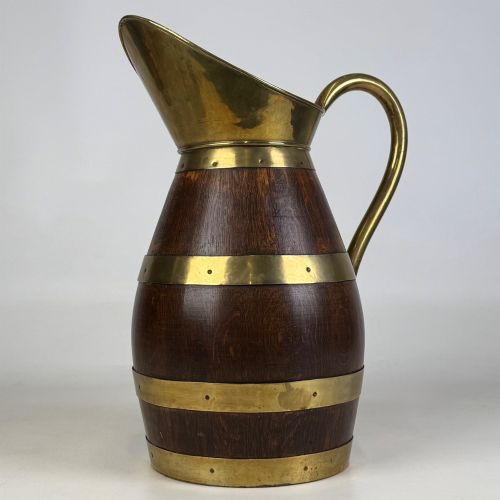
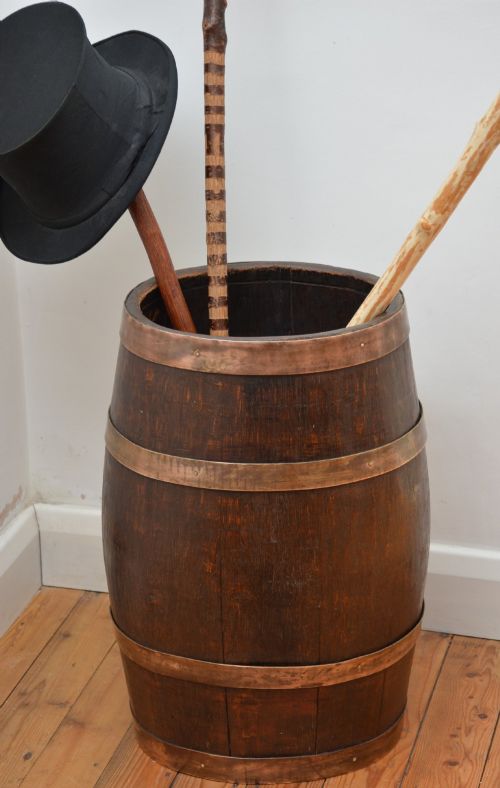
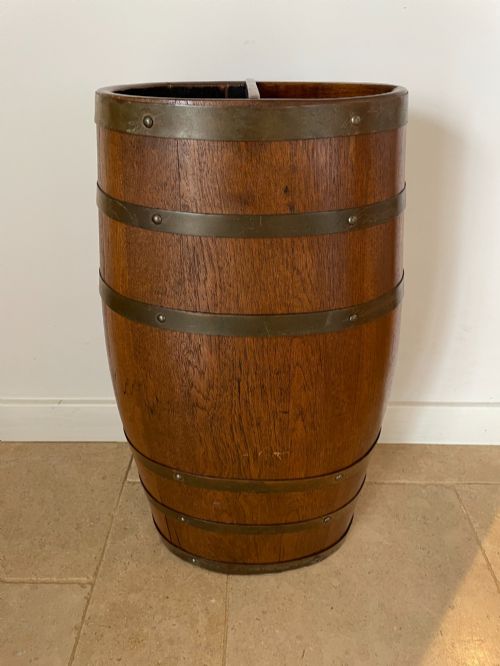
These brass bound oak stick stand examples bring honest country house utility to a hall, combining sturdy staves with bright metal bands.
Brass Bound Oak Stick Stand
A brass bound oak stick stand provides a robust home for umbrellas and walking canes in a hallway or boot room. These pieces borrow their construction from traditional cooperage, translating storage vessels into practical hall furniture.
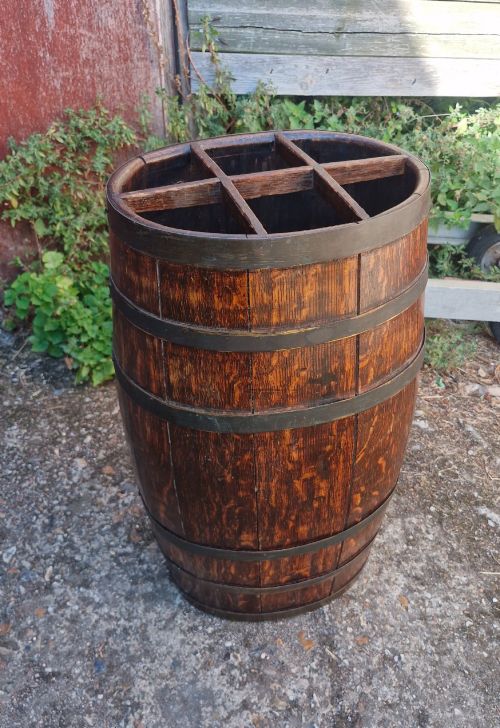
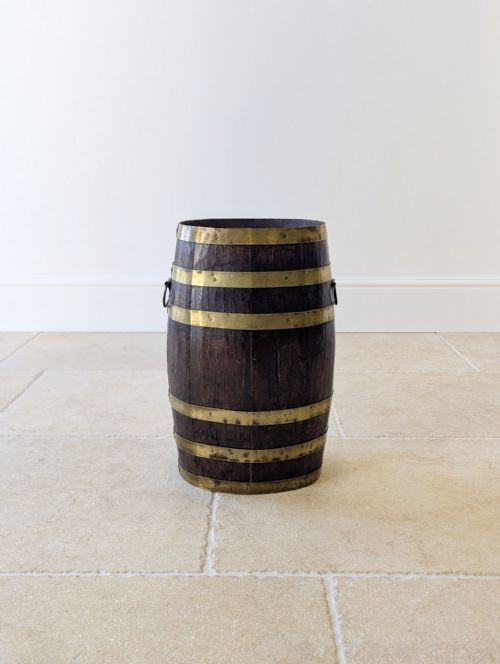
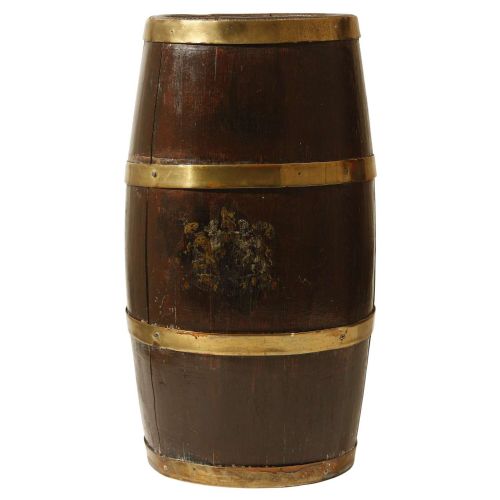
Most examples encountered here take the form of coopered barrels, ranging from round vessels to oval shapes designed to sit flatter against a wall. The timber body receives structural strength and visual contrast from heavy metal bands.
The aesthetic sits firmly within English country house and traditional traditions, spanning the Victorian and Edwardian eras alongside early twentieth century interpretations. Surviving pieces balance daily utility with the warmth of aged timber and polished metal.
How they were made
Makers built these stands using cooperage techniques, shaping individual oak staves to form a watertight or sturdy self-supporting vessel. Metal bands, predominantly brass or occasionally copper, were heated and fitted tightly around the wood so that cooling caused them to contract and lock the staves securely in place.
The timber relies on the natural grain of oak, sometimes paired with applied metal bracing or specific decorative additions like an English coat of arms. Individual pieces incorporate functional iron or brass loops to keep walking sticks and umbrellas upright.
Brass Bound Oak Stick Stand Retail Price Guide 2026
Typical asking prices for brass bound oak stick stand among the pieces listed under this phrase on Sellingantiques today, from the lower quarter to the upper quarter. They describe what is for sale here now, not the wider market.
Listings span the Victorian and Edwardian periods up through the 1930s, utilising oak, brass, and copper.
What varies in quality
Quality rests upon the crispness of the cooper's work and the thickness of the oak staves forming the body. Superior examples maintain tight joints between the wood sections without excessive shrinking or movement over decades of use.
The quality of the metalwork also separates standard items from finer ones, visible in heavy gauge brass bands and secure fixings. Maker attribution, such as pieces associated with R.A. Lister, adds a documented layer of workshop provenance.
R.A. Lister
The Brass Bound Oak Stick Stand Glossary
- Coopered
- Constructed from curved wooden staves bound together with hoops, in the manner of a barrel or cask.
- Stave
- One of the narrow vertical strips of oak that form the curved sides of the stick stand body.
- Brass bound
- Fitted with structural bands of brass that encircle the wooden body to hold the staves tightly together.
- Umbrella loop
- A metal ring or divider attached to the stand designed to keep long handled items separated and upright.
Brass Bound Oak Stick Stand: Frequently Asked Questions
How are these stands cleaned?
Dust the oak regularly with a dry cloth and apply occasional clear wax to nourish the grain without darkening the timber.
Polish the brass bands gently with a proprietary metal cleaner while taking care to shield the surrounding wood from spills.
Can they hold wet umbrellas?
Most coopered vessels handle damp items well due to their original function as liquid containers, though modern placement often includes a small liner inside.
Ensure any trapped moisture is dried out periodically to protect the base staves from prolonged dampness.
How do I date a stick stand?
Examine the colour and patina of the oak alongside the construction methods used for the internal base and staves.
Victorian and Edwardian examples often display distinct patination on the brass bands and hand-finished timber edges that differ from later pieces.
Where should I place a stand?
Position the piece in an entrance hall or porch where walking sticks and umbrellas see frequent daily use.
Keep the stand away from direct heat sources like radiators to prevent the oak staves from drying out and shrinking.