




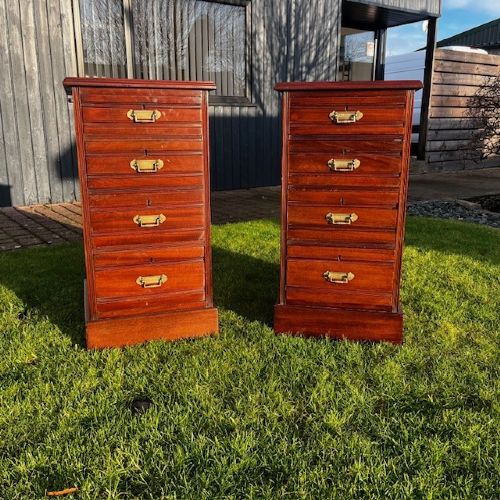


Brass Bedside Cupboard
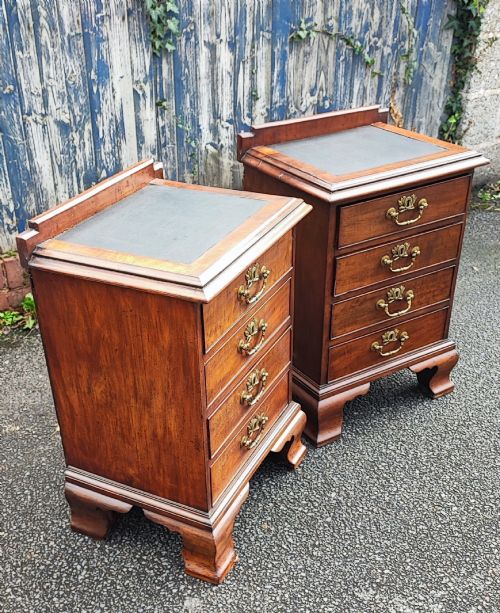
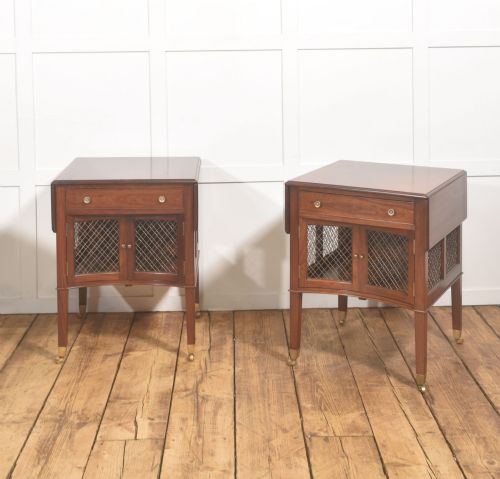
These brass bedside cupboard pieces combine practical bedside storage with decorative metal mounts, spanning periods from the eighteenth century to the twentieth.
Brass Bedside Cupboard
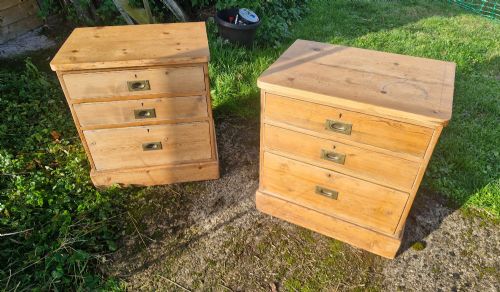
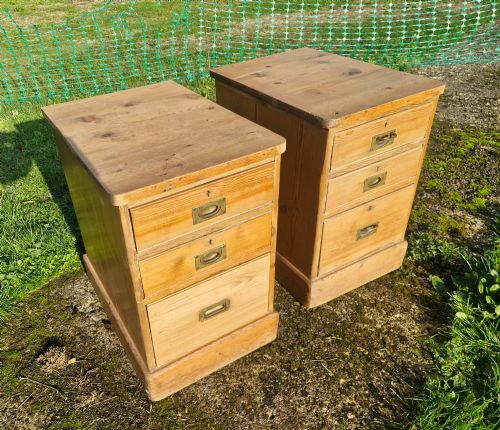
When you search for a brass bedside cupboard, you find a range of small storage furniture designed for the bedroom or intimate rooms. These items function as nightstands, pot cupboards, small chests of drawers, and side cabinets, originating from various periods including the Georgian era, the Victorian period, and the early twentieth century.
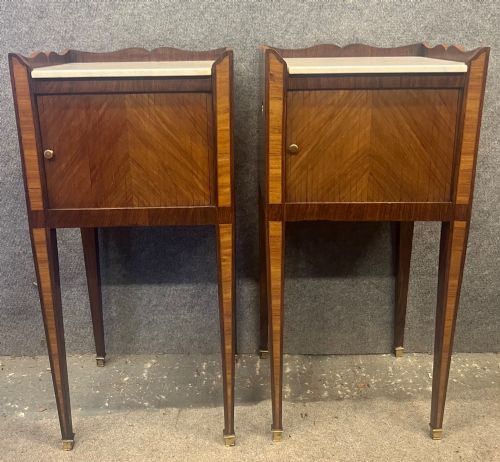
The selections available here frequently include French regional designs alongside English forms. You encounter pairs as well as single pieces, constructed in cabinet formats or small chest configurations with doors and drawers.
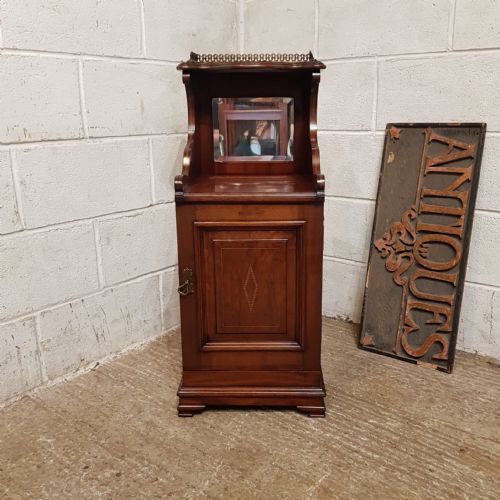
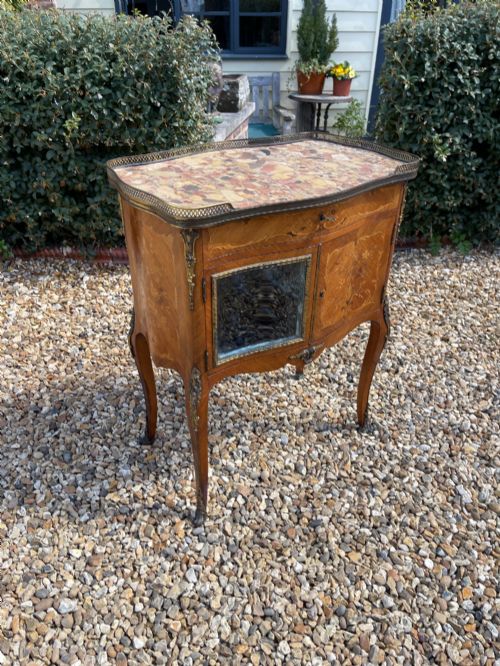
Makers and craftsmen utilised specific timbers and decorative schemes suited to the prevailing style of each decade. The forms range from simple oak or mahogany cupboards with brass hinges to elaborate marquetry pieces featuring ormolu mounts and marble tops.
How they were made
Cabinet makers constructed the primary carcasses of these pieces using solid timbers such as mahogany, oak, walnut, and rosewood, often applying veneers of kingwood, tulipwood, and marquetry patterns over secondary woods. Workshops employed traditional joinery techniques, dovetailing drawer boxes and fitting panelled doors to small frames.
Metal components played a structural and decorative role, with brass handles, hinges, and corner mounts secured to the wood. Selected pieces incorporate marble surfaces inset into the top, while others display hand-painted decoration or lacquer finishes.
Brass Bedside Cupboard Retail Price Guide 2026
Typical asking prices for brass bedside cupboard among the pieces listed under this phrase on Sellingantiques today, from the lower quarter to the upper quarter. They describe what is for sale here now, not the wider market.
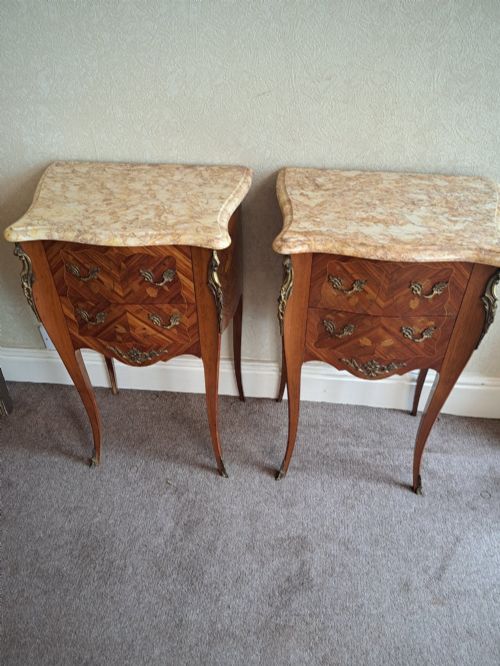
Several vintage French night tables hide their daily utility beneath layers of intricate floral marquetry and gleaming ormolu mounts.
What varies in quality
Quality in these items is determined by the precision of the cabinet work, the selection of timber veneers, and the execution of decorative details like marquetry and ormolu mounts. Finer examples display meticulous matching of wood grains, tightly fitted joints, and robust metal hardware that integrates cleanly with the structure.
Simpler pieces rely on plain timber construction with standard functional brass hinges, whereas high-end items exhibit intricate parquetry, imported marble tops, and refined French styling from periods like the Louis XV and Louis XVI revivals.
The Brass Bedside Cupboard Glossary
- Marquetry
- Decorative veneer patterns formed by fitting together small pieces of wood, shell, or ivory into wood designs. This technique decorates the surfaces of French and English cabinets.
- Ormolu
- Gilt bronze mounts applied to furniture for decorative effect. These metal ornaments accent the corners and legs of revival pieces.
- Chevet
- A French term for a small bedside table or nightstand. These pieces often feature marble tops and enclosed cupboard spaces.
- Commode
- A low chest of drawers or a cabinet with doors. In nineteenth-century contexts, the term also applies to bedside storage units.
- Close stool
- An eighteenth-century piece of furniture enclosing a chamber pot. These wooden cabinets resemble small cupboards or stools with lids.
Brass Bedside Cupboard: Frequently Asked Questions
What is a brass bedside cupboard?
A brass bedside cupboard is a small piece of bedroom furniture designed to hold night-time necessities, featuring brass handles, hinges, or decorative mounts. These items appear in various forms, including small chests of drawers, enclosed cabinets, and pot cupboards.
Craftsmen produced these pieces across multiple centuries, adapting the dimensions and internal layouts to suit changing domestic habits. They serve today as functional nightstands that introduce period character to a bedroom.
How do I date these cabinets?
Dating relies on examining the timber species, construction methods, and stylistic cues present in the piece. Georgian and Victorian examples typically show heavier wood construction and simpler brass hardware, while Edwardian and later pieces often incorporate French revival marquetry or painted finishes.
Cabinet construction details, such as drawer dovetails and backboard thickness, provide further clues to the period of origin. Comparing the overall design style to historical periods helps narrow down the decade of manufacture.
Are these pieces usually found in pairs?
Many of these cabinets and tables survive as matched pairs, particularly those originating from French workshops during the nineteenth and early twentieth centuries. Single pieces also appear frequently in English oak and mahogany.
Pairs are particularly sought after for balancing bedroom layouts on either side of a bed. Single pieces function effectively as standalone side cabinets or accent tables in smaller rooms.
How do I maintain marble tops?
Marble-topped cabinets require gentle cleaning with a damp cloth and mild, pH-neutral soap to preserve the stone surface. Avoid abrasive cleaners and acidic liquids that can etch or dull the polished finish.
Using coasters and mats protects the stone from moisture rings and stains. Regular dusting keeps the surface clean without risking damage to the integrated marble.