

Brass Basket
A brass basket brings warmth and texture to an interior, whether holding coal by the hearth or catching light from above.
Brass Basket
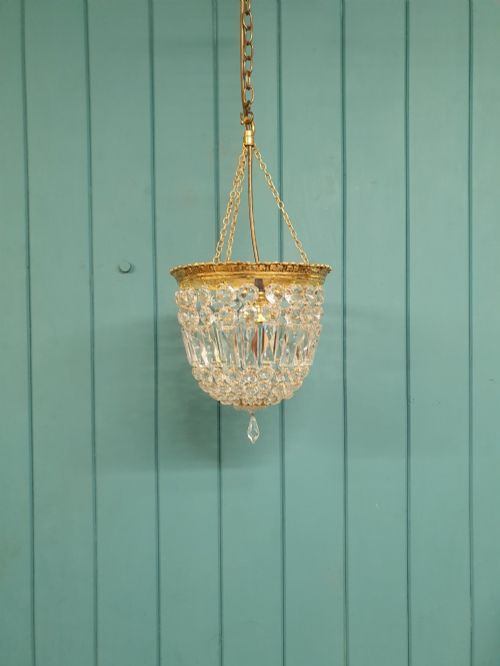
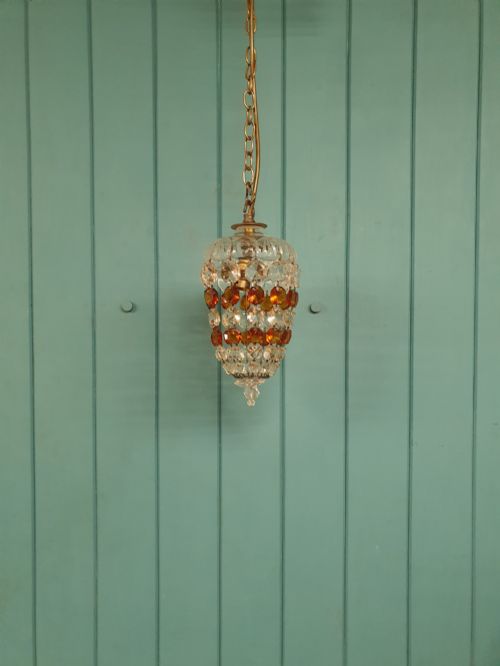
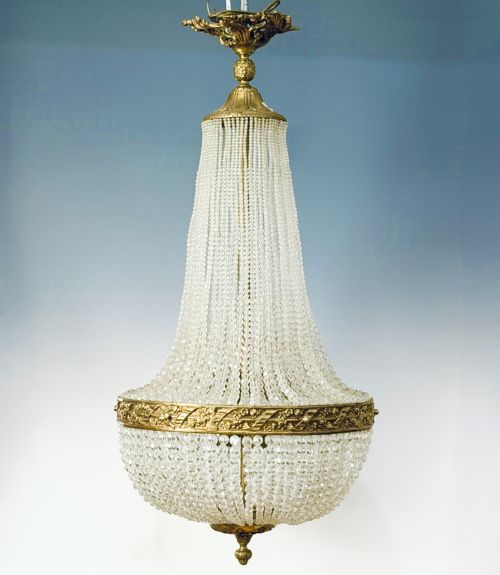
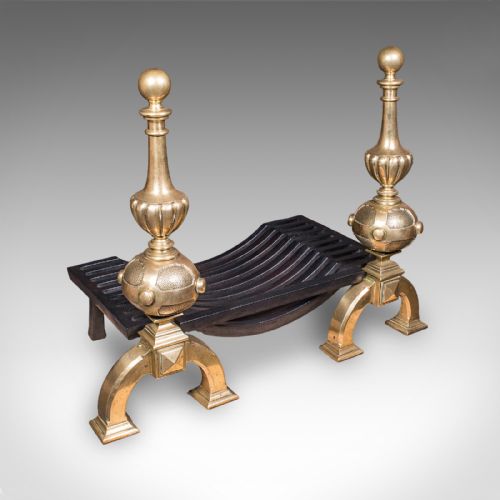
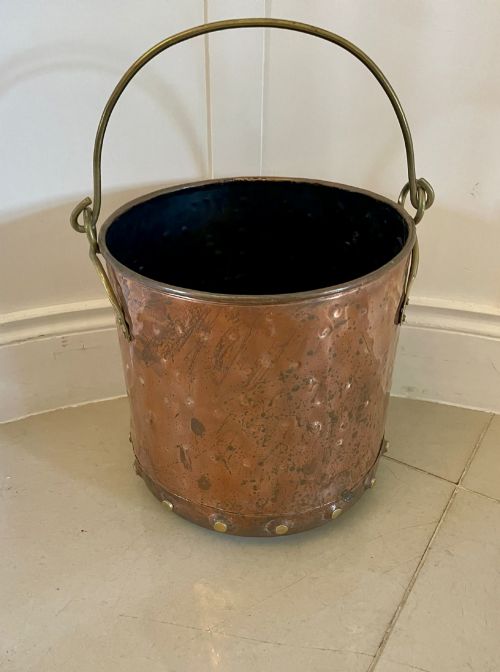
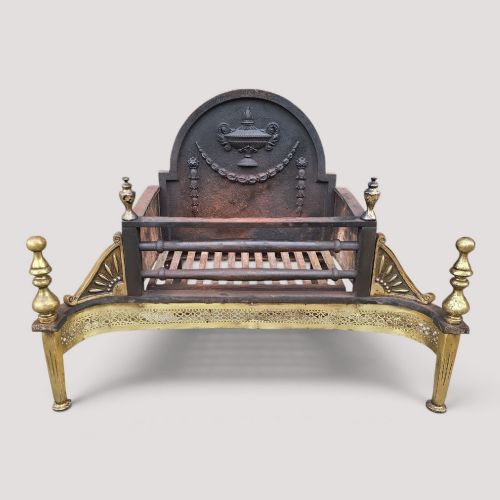
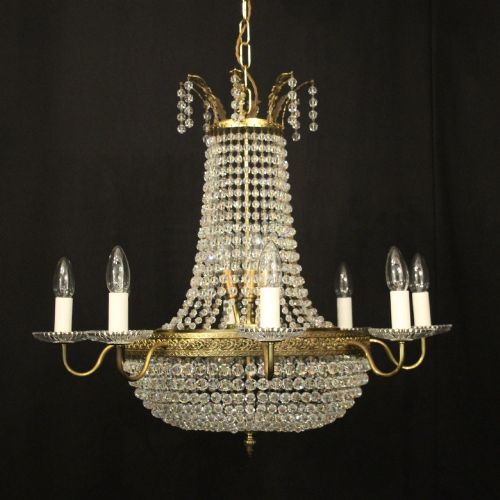
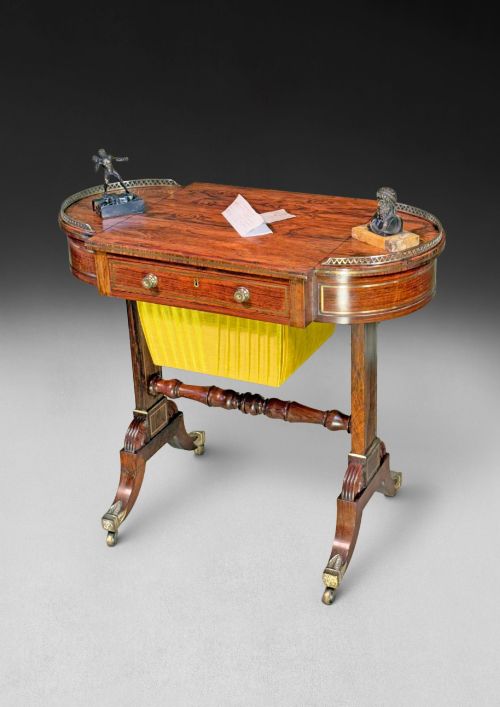
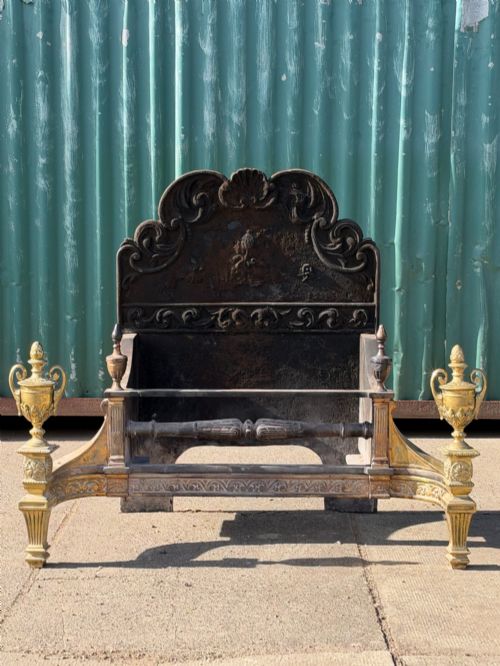
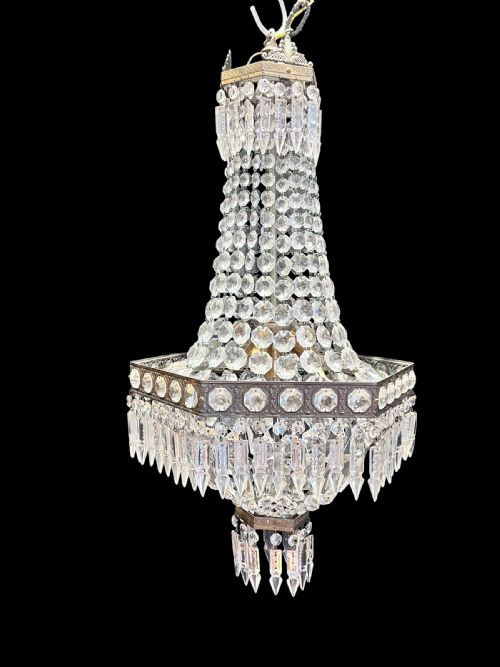
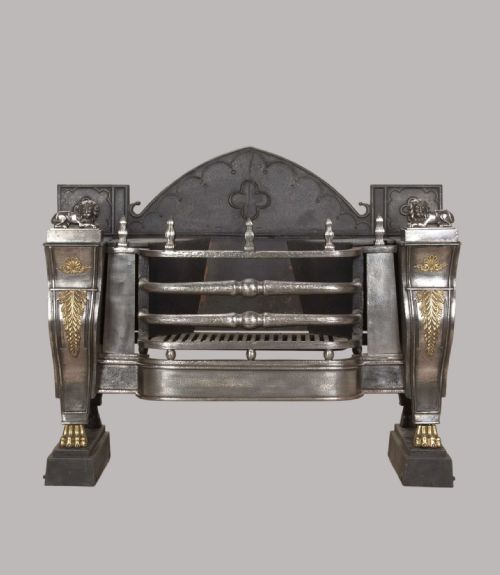
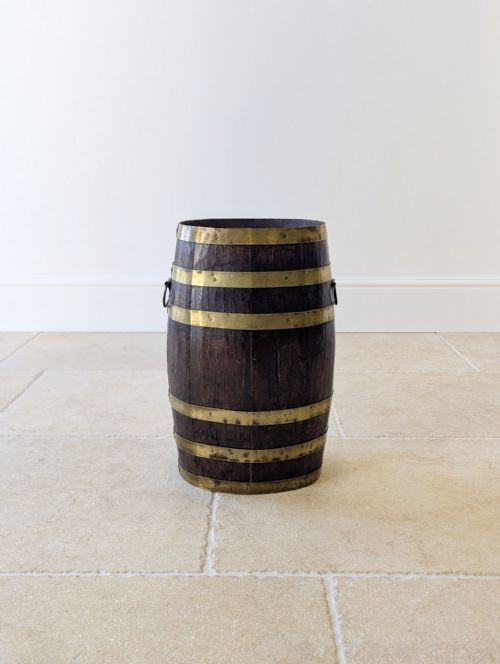
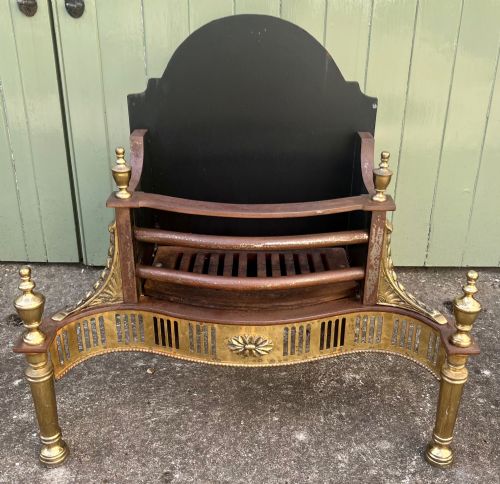
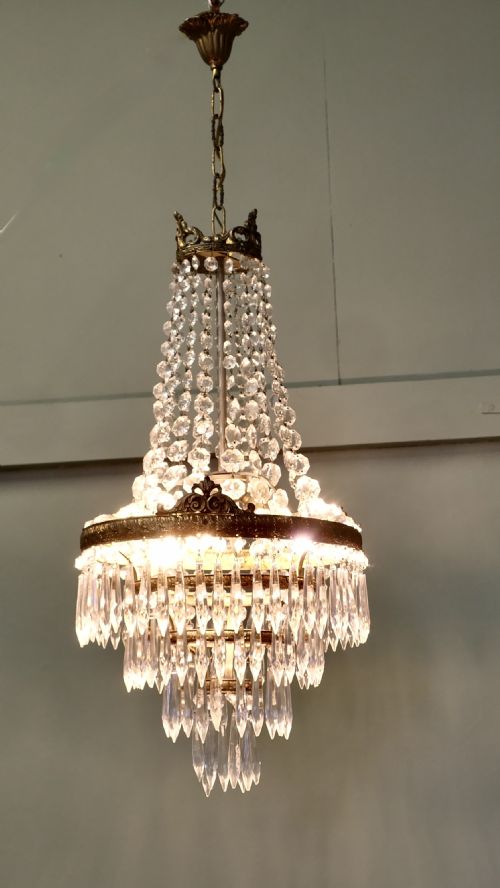
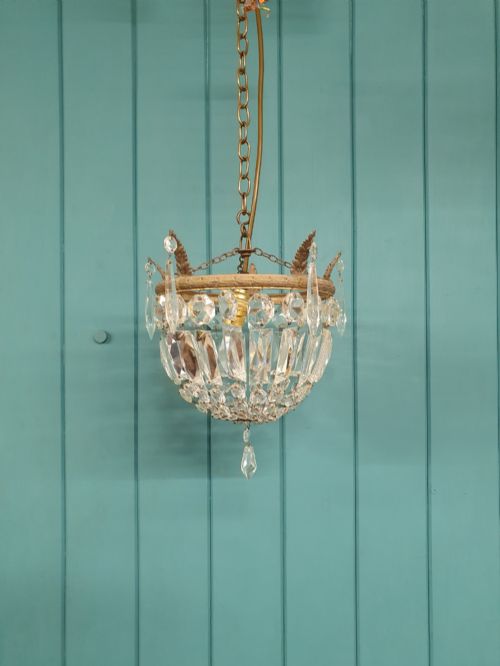
When searching for a brass basket, collectors generally encounter items designed for the fireside or lighting. The selection spans several distinct forms, primarily coal buckets, log bins, and fire grates alongside glittering chandeliers adorned with brass mounts.
The objects originate across various periods, stretching from the seventeenth century through the Victorian era and into the nineteen-twenties and nineteen-thirties. Domestic utility pieces sit alongside formal French Empire and Regency lighting fixtures.
Fireside pieces often combine heavy metal with coopered oak, while hanging lighting marries gleaming metal frames with cut glass and crystal prisms. Each item serves a practical function while decorative metalwork elevates its presence in a room.
How they were made
Makers utilised cast and wrought iron for structural fire grates, pairing them with polished brass rails, mounts, and handles. Coal buckets and bins frequently employed coopered oak staves bound with strong brass bands, demanding expert carpentry alongside metalworking skills.
Lighting fixtures relied on brass frames supporting cut glass and crystal components, held together with pins and wires. Ormolu and bronze often augmented the primary metalwork on French Empire and Victorian decorative items.
Brass Basket Retail Price Guide 2026
Typical asking prices for brass basket among the pieces listed under this phrase on Sellingantiques today, from the lower quarter to the upper quarter. They describe what is for sale here now, not the wider market.
Periods represented reach from the seventeenth century through Georgian and Victorian times up to the nineteen-thirties.
What varies in quality
The distinction between ordinary utility items and superior examples lies in the weight of the metal and the crispness of the casting. Heavier gauge brass and deeply cut crystal prisms denote a higher standard of manufacture.
Proportion and decorative restraint set apart the finer pieces from mass-produced alternatives. Pieces displaying hand-finished details and thoughtful integration of secondary materials command greater attention from discerning collectors.
Comitti Of London·Jonathon Lowndes
The Brass Basket Glossary
- Coopered
- Constructed from wooden staves fitted together side by side and bound with metal hoops, typical of traditional bucket and barrel making. This technique ensured vessels remained watertight or sturdy for heavy solid fuel.
- Ormolu
- Finely ground high-carat gold applied to a bronze base using a mercury amalgamation process, popular in decorative French metalwork. It yields a rich, warm lustre that resists tarnishing over decades.
- Prism
- A cut glass or crystal pendant hung from a chandelier to refract light around the room. These elements vary in shape from simple spear points to elaborate coffin drops.
- Andiron
- A horizontal metal support raised on legs, used in pairs to hold logs in an open fireplace. They often coordinate stylistically with nearby fire baskets and fenders.
Brass Basket: Frequently Asked Questions
How do I clean a brass basket?
Dust the surface regularly with a soft dry cloth to prevent grime accumulation. Avoid harsh chemical polishes that strip away the aged patina valued by collectors.
For stubborn grime, use warm soapy water on a damp cloth, drying the metal immediately. Take care not to wet any wooden staves or fabric components nearby.
Were these coal buckets used daily?
Many examples served practical duties beside Victorian and Edwardian hearths, carrying coal and logs to open fires. Sturdy construction in brass and oak ensured they withstood heavy domestic service.
Signs of wear often reflect genuine period use rather than modern reproduction. Today they transition smoothly into decorative log stores or umbrella stands.
How do I date a brass light?
Examine the mounting hardware, wiring channels, and the cut of any crystal prisms attached to the frame. Early twentieth-century designs often incorporate pressed brass mounts and machine-cut glass.
Compare the overall silhouette against documented Regency or Victorian lighting styles. Weight and construction methods provide further clues to the manufacturing decade.
Can I use an antique fire grate?
Most antique grates suit traditional open chimneys, though professional inspection is essential before lighting any fire. Cast iron and brass components must be checked for hidden hairline fractures.
Many buyers choose to use smaller grates purely for decorative hearth displays with candles. This preserves fragile metalwork while maintaining a period focal point.