



Brass and Wood Tray
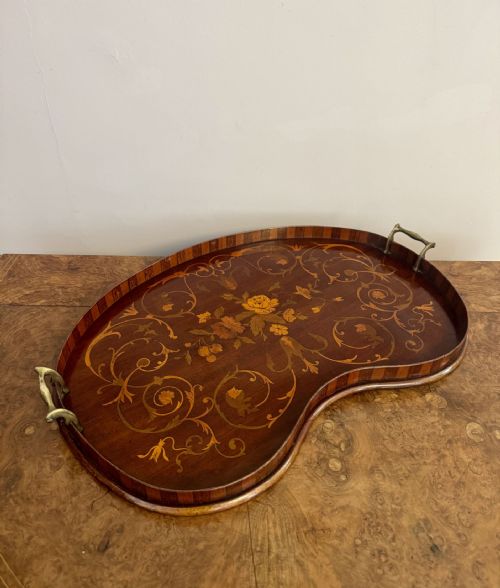
A brass and wood tray brings together warm metallic work and timber grain, serving as both a functional server and a decorative centrepiece for the home.
Brass and Wood Tray
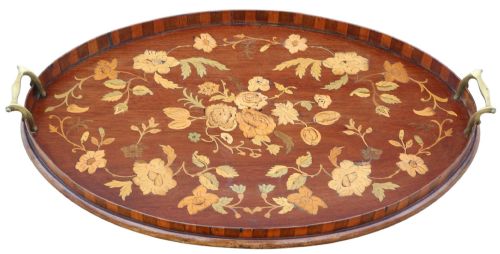
When you search for a brass and wood tray, you encounter items designed for serving tea, drinks, or meals, often featuring raised edges and carrying handles. The selection spans periods from the Georgian era through the Victorian years into the early twentieth century.
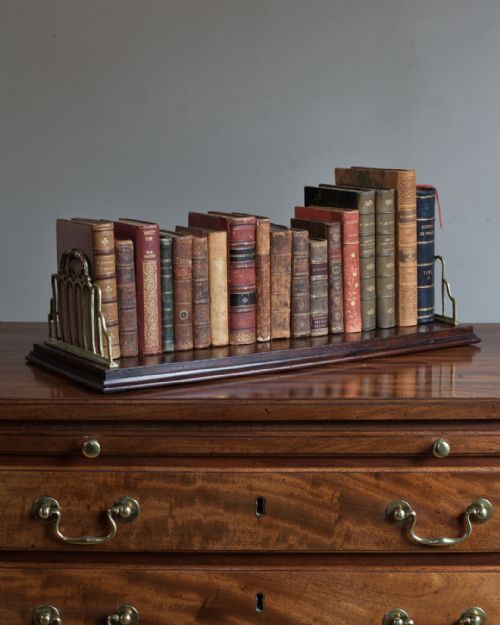
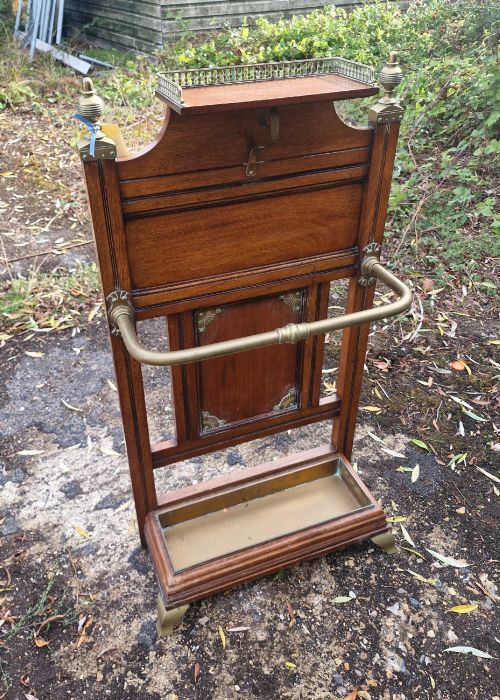
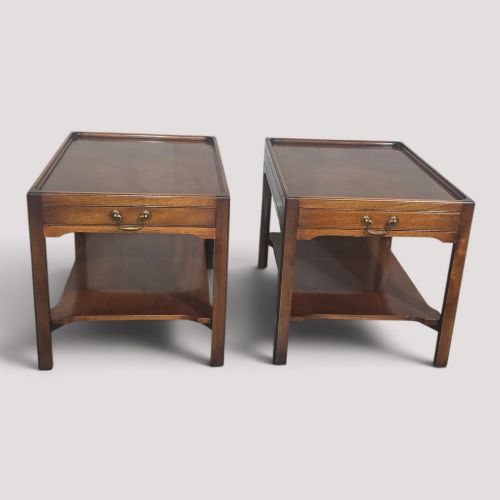
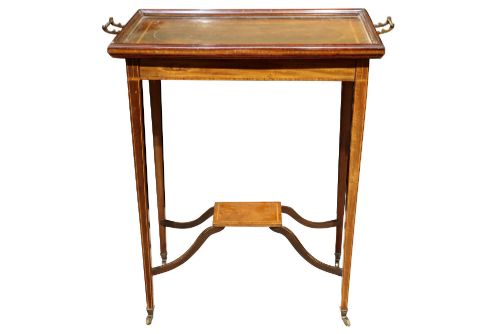
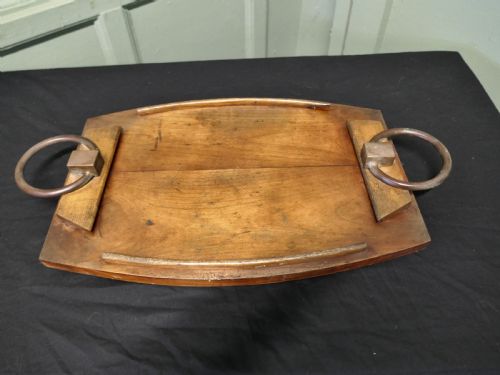
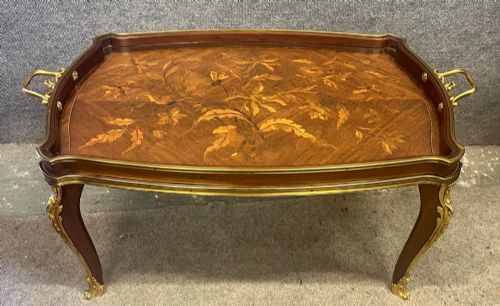
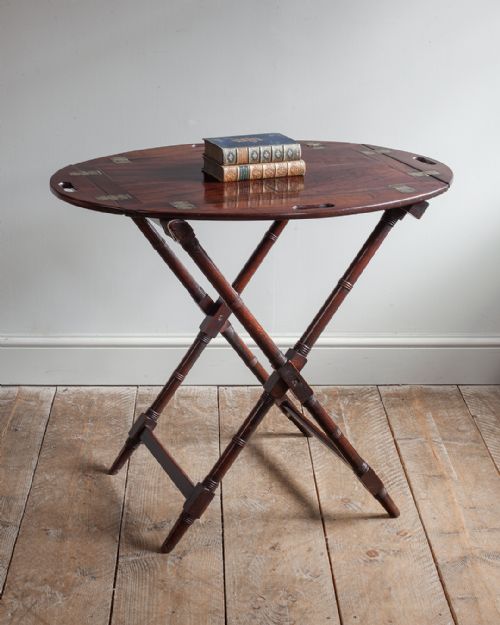
Mahogany, satinwood, and oak form the wooden bases or surrounding stands, while brass provides handles, gallery rails, or entire inset tops. Forms range from portable serving trays and butlers' trays on folding stands to occasional tables built with removable tray tops.
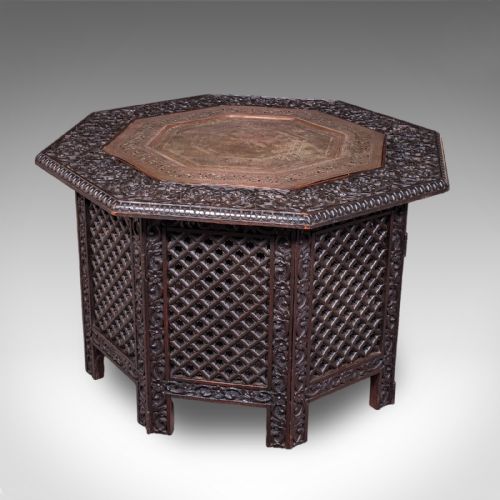
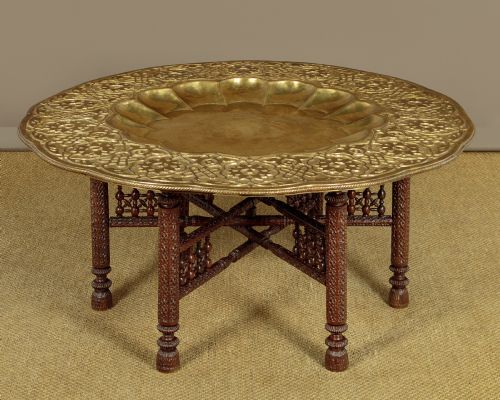
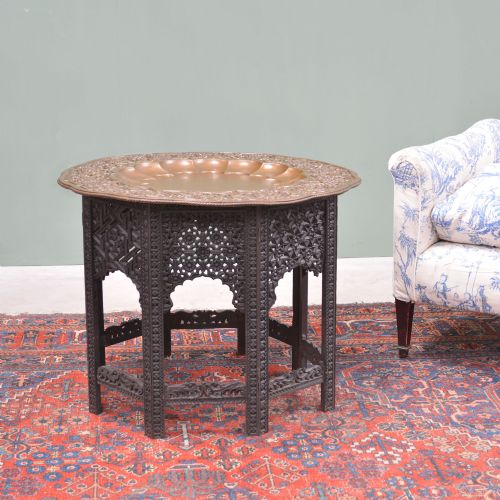
Regional variations appear frequently, including Anglo-Indian tables and serving pieces featuring brass work alongside native hardwoods. Pieces made for domestic use dominate the selection, alongside specialised caddies and desk accessories incorporating both materials.
How they were made
Craftsmen utilised solid timbers such as mahogany, oak, and satinwood to construct the structural bases and borders of these items. Timber selection dictated the durability and grain pattern of each piece, often enhanced with marquetry or inlaid banding.
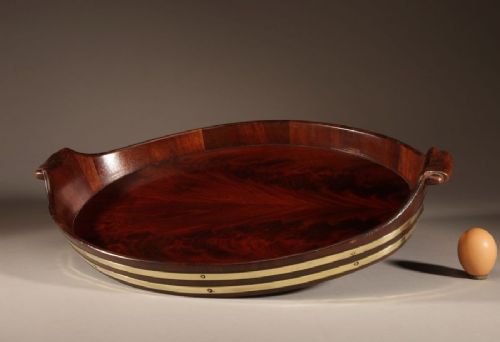
Brass was incorporated through cast handles, pierced gallery rails, screwed feet, and sometimes complete engraved sheet tops riveted to timber frames. Coopered construction appeared in circular serving vessels, binding wooden staves together with brass hoops.
Surface finishing involved hand-polishing timber with wax or shellac to bring out the natural figures of mahogany and satinwood. Metal components were polished or left with patinated surfaces depending on the workshop origin and intended function.
Brass and Wood Tray Retail Price Guide 2026
Typical asking prices for brass and wood tray among the pieces listed under this phrase on Sellingantiques today, from the lower quarter to the upper quarter. They describe what is for sale here now, not the wider market.
Listings feature mahogany, satinwood, oak, and teak combined with brass and copper across periods spanning the Georgian era to the 1930s.
What varies in quality
The precision of the cabinetwork dictates the standard of the wooden structure, visible in the tightness of corner joints and the alignment of inlaid banding. Superior items display crisp marquetry and carefully selected timber veneers that match across the surface.
Metalwork quality is evident in the weight of the brass handles and galleries, as well as the depth of any engraving on brass tops. Thicker gauge brass resists bending and maintains secure fixings to the underlying timber over decades of use.
The Brass and Wood Tray Glossary
- Butlers tray
- A portable wooden tray with hinged or cutout sides, typically placed upon a folding X-frame stand for serving duties. These items allowed servants to transport provisions from kitchens to reception rooms.
- Gallery
- A raised border surrounding the perimeter of a tray or table top, constructed from pierced brass or shaped wood. This barrier prevents glassware and dishes from sliding off the edge during transit.
- Coopered
- A method of construction using curved wooden staves joined side by side and bound by a metal hoop, akin to barrel-making. This technique appears in circular serving trays and bottle carriers.
- Marquetry
- The art of applying decorative veneer pieces to a structural surface to form pictorial or geometric patterns. Makers utilised contrasting timbers such as satinwood and mahogany to achieve visual depth.
Brass and Wood Tray: Frequently Asked Questions
How were brass and wood trays originally used?
These items served primarily for carrying tea sets, wine bottles, and food from the kitchens to the drawing room. Servants utilised portable versions on folding stands to set up temporary side tables during social gatherings.
Over time, many trays remained permanently mounted on custom wooden stands to function as low coffee tables or occasional tables. Smaller examples also served on desks to hold correspondence, inkwells, and writing accessories.
How do I care for wooden trays with brass elements?
Maintain the timber surfaces by applying a traditional beeswax polish periodically to nourish the grain and protect against moisture. Avoid placing wet glasses directly on antique wood to prevent staining the finish.
Clean the brass components gently with a soft cloth to preserve the aged patina rather than polishing them to a bright shine. Keep pieces away from direct heat sources and strong sunlight to prevent the timber from warping or splitting.
How can I tell the period of a tray?
Examine the construction methods and timber choices, as Georgian and Victorian pieces often employ solid mahogany or heavy oak with hand-cut joints. Later Edwardian items frequently display intricate satinwood marquetry and lighter framing.
Look for tool marks on the underside and the method used to attach brass handles or galleries, which changed from hand-threaded screws in earlier centuries to standardised machine-made fixings by the twentieth century.
What is an Anglo-Indian tray table?
Anglo-Indian pieces combine traditional British furniture forms with indigenous craftsmanship from the Indian subcontinent during the nineteenth and early twentieth centuries. They frequently feature folding wooden bases supporting heavily engraved or inlaid brass tops.
These items were often brought back to Britain by families returning from service abroad, introducing exotic timber carvings and intricate metalwork into domestic interiors.