

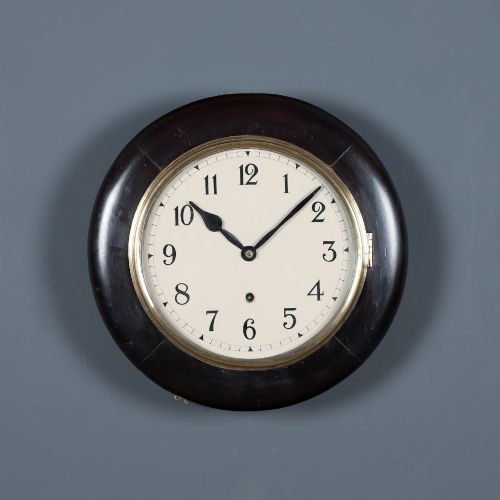
Brass and Wood Frame
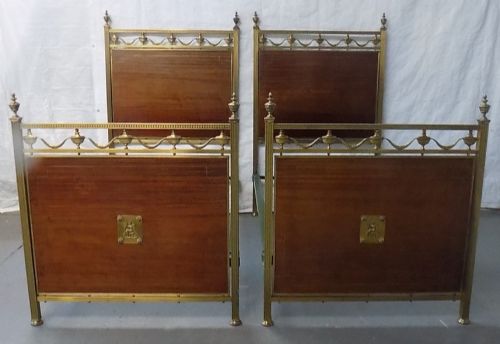
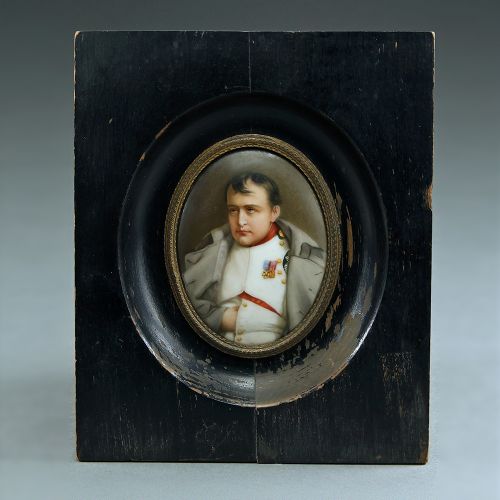
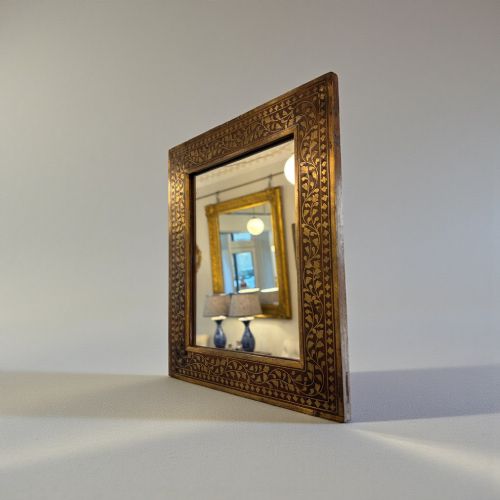
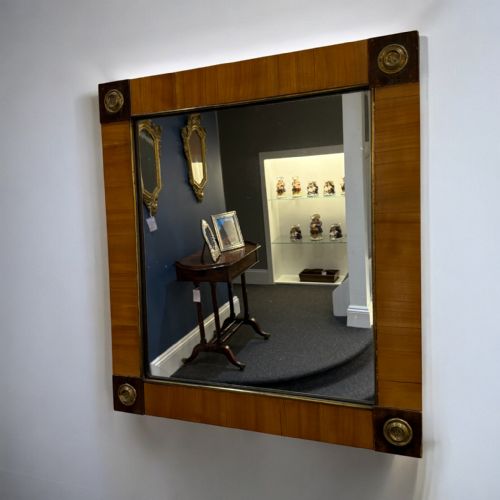
A brass and wood frame joins warm timber with polished metal to hold mirrors and panels.
Brass and Wood Frame
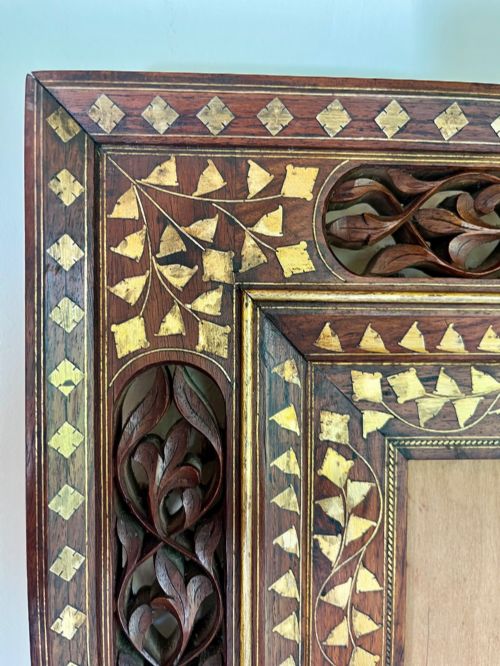
A brass and wood frame combines solid timber structures with metal mounts, inlays, or borders. These pieces appear across wall mirrors, overmantel surrounds, and specialised display items from the nineteenth and early twentieth centuries.
The selections on this page draw from Victorian, Georgian, and Edwardian periods alongside regional craft traditions like Kashmiri and Hoshiarpur work. Buyers encounter polished mahogany, oak, and walnut housings accented by pierced or inlaid brass elements.
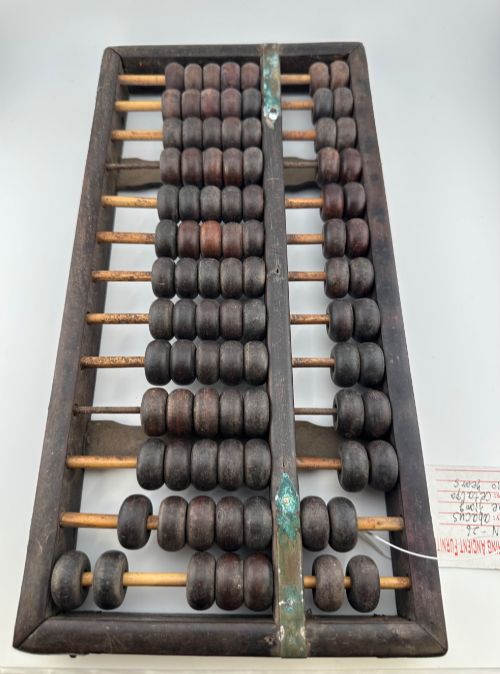
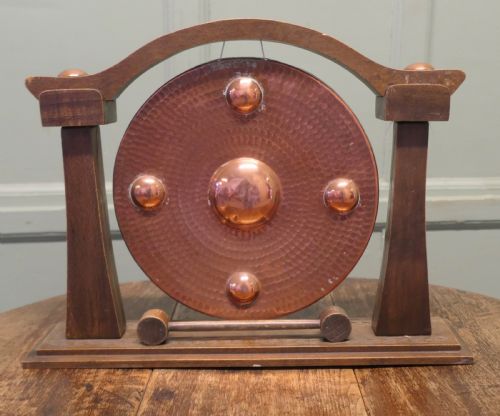
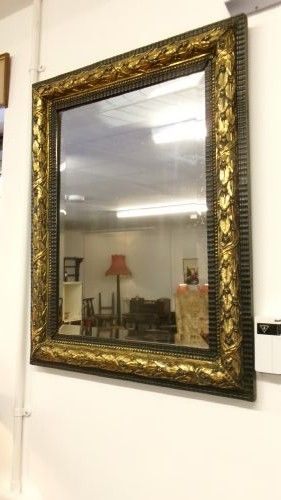
Mirrors and dinner gongs dominate the forms using this dual-material construction. The pairing provides structural stability while introducing decorative contrast between grain and metal.
Materials and construction methods
Maker workshops utilised dense hardwoods such as mahogany, oak, walnut, and satinwood to form the primary load-bearing chassis and surrounds. These timbers were selected for straight grain and durability under tension.
Brass components arrived as cast mounts, repoussé panels, or thin wire inlays inserted into hand-carved channels within the wood. Artisans secured these metal elements using small brass pins or hide glue depending on the specific regional workshop practice.
Brass and Wood Frame Retail Price Guide 2026
Typical asking prices for brass and wood frame among the pieces listed under this phrase on Sellingantiques today, from the lower quarter to the upper quarter. They describe what is for sale here now, not the wider market.
Several dining gongs utilise reclaimed ship timbers to sound the evening meal across nineteenth-century hallways.
Assessing quality in construction
Quality reveals itself in the precision of the joinery where timber meets metal. Superior examples display flush brass inlays and tightly fitted corner joints without excessive filler or shifting planes.
The depth of carving and the weight of the brass components distinguish workshop tiers. Hand-tooled repoussé work and substantial cast mounts indicate higher labour investment than stamped sheet metal attached to softer woods.
Gillows·Hampton and Sons·Mallett
The Brass and Wood Frame Glossary
- Repoussé
- Metalworking technique where the brass is hammered from the reverse side to form a raised design in relief. This method creates textured surface patterns on mirror frames and gong shields.
- Hoshiarpur
- Regional Indian style known for intricate brass wire inlay set densely into dark hardwood. Pieces utilising this technique feature elaborate geometric and floral motifs.
- Overmantel
- A large mirror or frame designed to sit directly upon a mantelpiece above a fireplace. These examples often incorporate architectural walnut or mahogany mouldings with brass detailing.
- Bevelled plate
- Glass mirror edge cut and polished at an angled slope to catch and refract light. This treatment adds perceived depth to the framed optical surface.
Brass and Wood Frame: Frequently Asked Questions
How do I clean a brass and wood frame?
Dust the timber regularly with a dry cloth and avoid commercial liquid polishes that can seep into wood grain. Clean brass elements gently with a soft cloth while keeping chemical solvents away from the surrounding wood surface.
Allow patina to remain on older metal components, as aggressive cleaning strips historical surfaces. Maintain stable indoor humidity to prevent wood shrinkage and subsequent loosening of inlaid brass pins.
Are these frames suitable for modern walls?
Most wall-hung variants arrive with historical hanging hardware that may require reinforcement for modern display standards. Assess the weight of the combined wood and metal structure before mounting on plasterboard walls.
Ensure appropriate wall anchors support the specific timber weight, particularly for larger overmantel and mirror formats.
How do I date an oak and brass piece?
Examine the backboards, screw types, and construction marks for clues to the manufacturing era. Hand-cut joinery and slotted screws generally point toward nineteenth-century production.
Compare the timber finish and brass mounting style against documented regional designs from Victorian or Edwardian pattern books.
What is Kashmiri brass inlay?
Kashmiri craft traditions utilise fine sheet brass cut into foliage patterns and pressed into recessed wood channels. This decorative approach creates a striking contrast against dark hardwood surfaces.
Such decorative items often date from the late nineteenth or early twentieth century and reflect global trade aesthetics of the period.