



Brass and Wood Bookshelf
A brass and wood bookshelf brings warmth and structure to a room, offering sturdy shelves framed in rich timber and detailed with metal mounts.
Brass and Wood Bookshelf
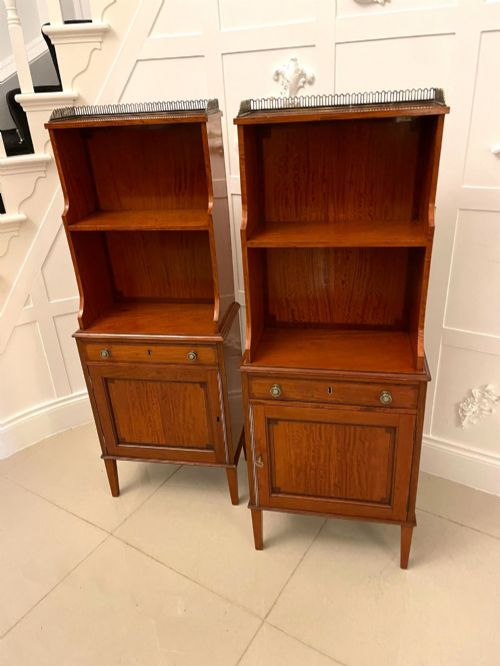
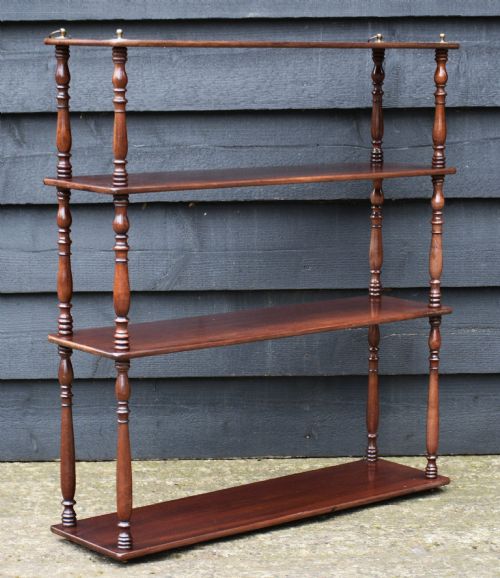
A brass and wood bookshelf combines timber frames with metal details, ranging from wall-hanging shelves to large freestanding bookcases. These pieces serve practical library needs while acting as decorative furniture within a home.
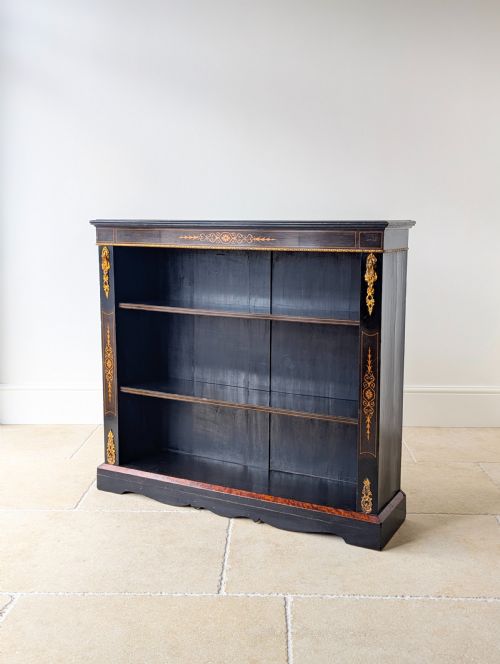
Makers utilised dark timbers and exotic veneers alongside structural brass fittings. Pieces span simple utility items to ornate cabinetry embellished with ormolu mounts and inlay.
How they were made
Cabinet makers constructed these pieces using solid hardwoods like mahogany and rosewood, frequently applying fine veneers over secondary woods. Ebonised finishes and partridge wood also appear across the selection.
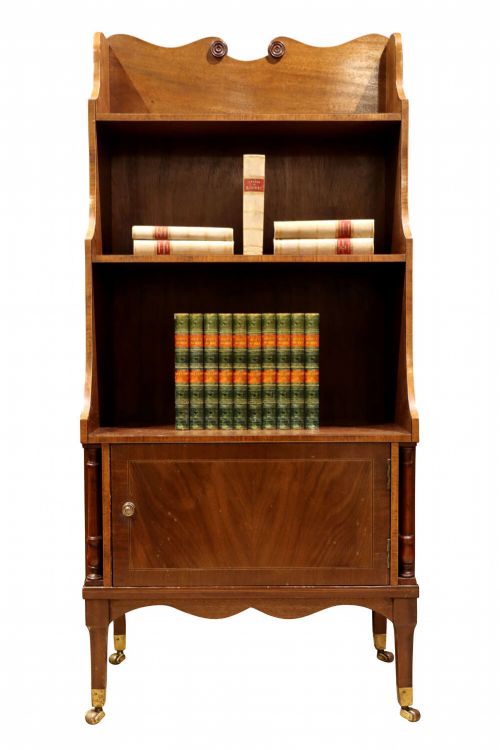
Brass elements include castors, inlay, and structural mounts secured to the timber bodies. Ormolu mounts provide gilded metal enrichment on specific nineteenth-century examples.
Brass and Wood Bookshelf Retail Price Guide 2026
Typical asking prices for brass and wood bookshelf among the pieces listed under this phrase on Sellingantiques today, from the lower quarter to the upper quarter. They describe what is for sale here now, not the wider market.
Listings span the nineteenth century, incorporating Regency, Victorian, and Edwardian periods alongside materials such as mahogany, rosewood, and ormolu.
What varies in quality
The distinction between standard utility items and finer pieces lies in the selection of timber and the precision of the cabinet work. Richly figured rosewood and finely cut satinwood elevate the visual impact of a bookcase.
Detailing such as brass inlay, castors, and cast ormolu mounts indicates the original tier of manufacture. Integrated design elements like graduated waterfall tiers require careful joinery to succeed.
Gillows
The Brass and Wood Bookshelf Glossary
- Waterfall bookcase
- A tiered set of open shelves where each level steps back from the one below, typically decreasing in depth toward the top. This form appeared frequently in the nineteenth century.
- Ormolu
- Gilded bronze mounts applied to furniture for decorative effect. It adds metallic contrast to dark timbers like mahogany and rosewood.
- Ebonised wood
- Timber treated to resemble ebony through a dark staining or finishing process. This technique became popular during the Victorian period.
- Inlay
- Pieces of contrasting wood, brass, or other materials fitted into the surface of a primary timber to create decorative patterns. Regency pieces frequently incorporate brass lines.
- Castors
- Small wheel attachments fitted to the base of heavy furniture to allow easier movement. Nineteenth-century examples often combine brass wheels with ceramic or wooden fixings.
Brass and Wood Bookshelf: Frequently Asked Questions
How do I care for rosewood?
Rosewood benefits from gentle dusting with a soft cloth and protection from direct sunlight. Avoiding excessive moisture preserves the natural oils within the dense timber grain.
Occasional light waxing maintains the surface sheen without building up heavy residues.
Where were these placed?
These bookcases stood in studies, libraries, and drawing rooms to hold working libraries or display decorative volumes. Wall-hanging versions suited smaller spaces or parlours.
Freestanding open bookcases allowed easy access to frequently read texts.
How do I spot Regency style?
Regency pieces often display classical restraint alongside distinctive materials like rosewood and precise brass inlay. Proportions remain balanced and architectural details reference antiquity.
Egyptian Revival motifs also appear within this design vocabulary.