



Brass and Tortoiseshell
Brass and tortoiseshell pieces combine warm organic shell with bright inlaid metal to create striking French and English decorative items.
Brass and Tortoiseshell
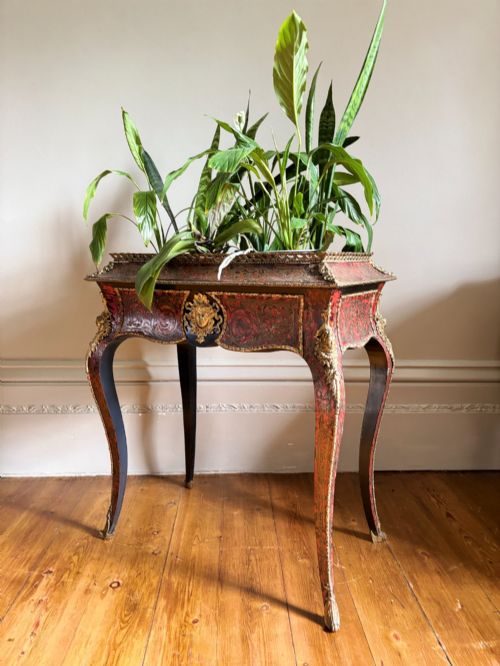
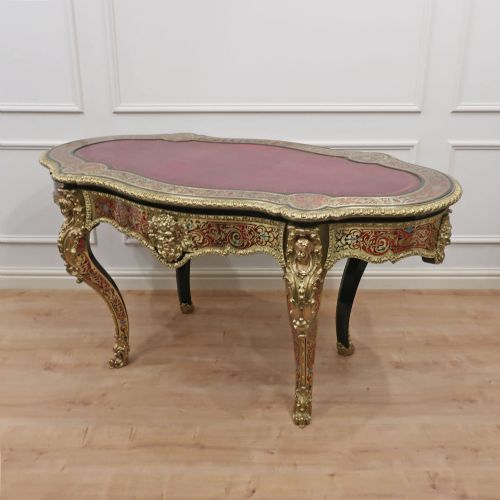
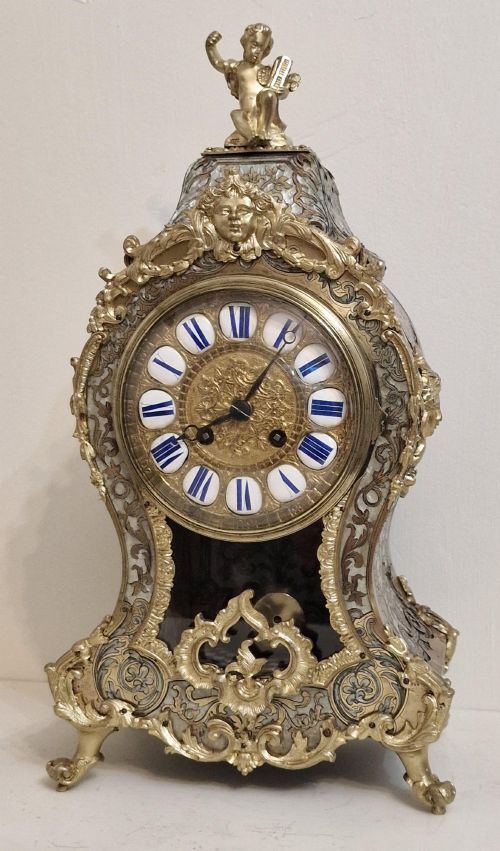
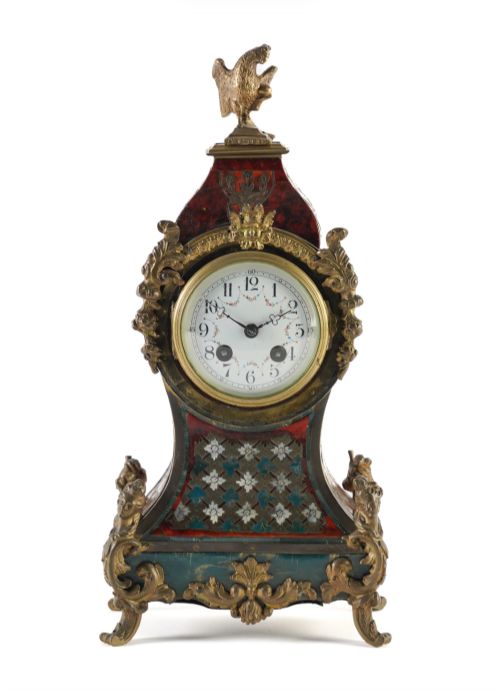
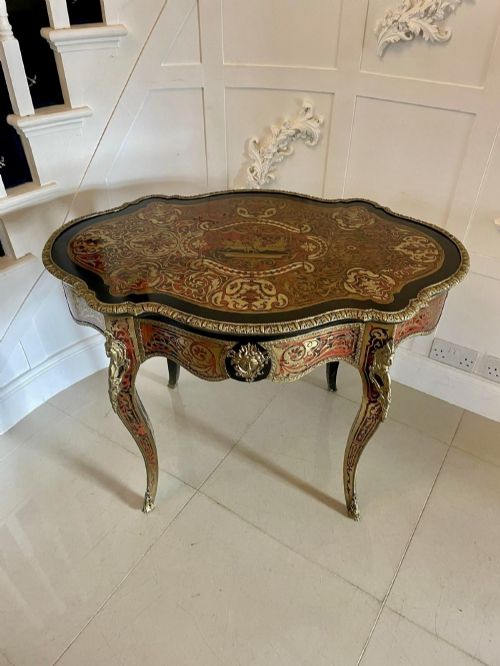
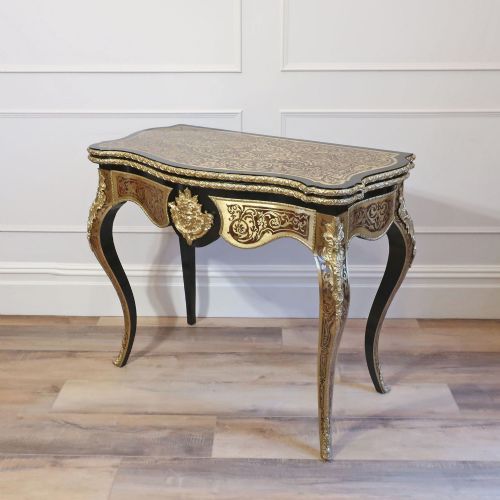
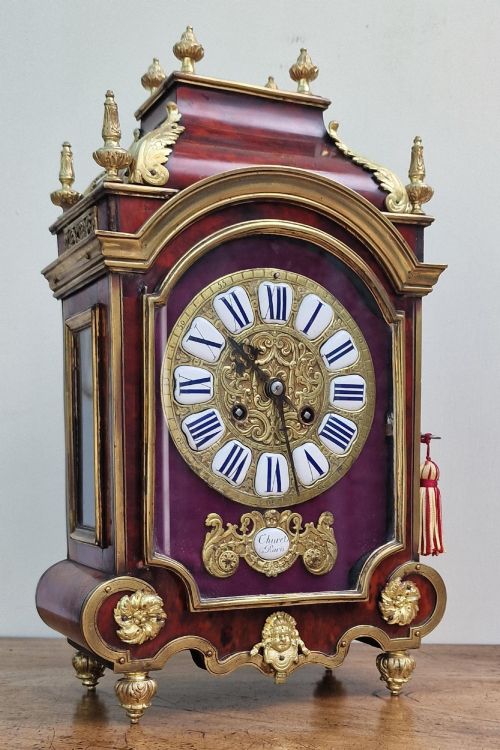
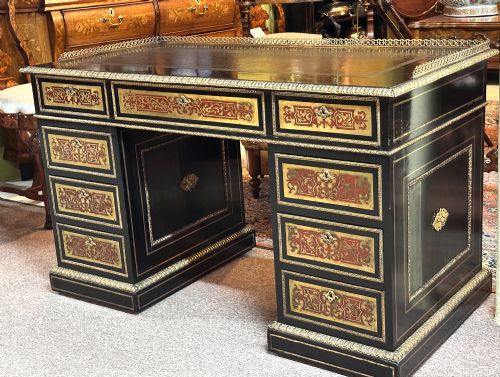
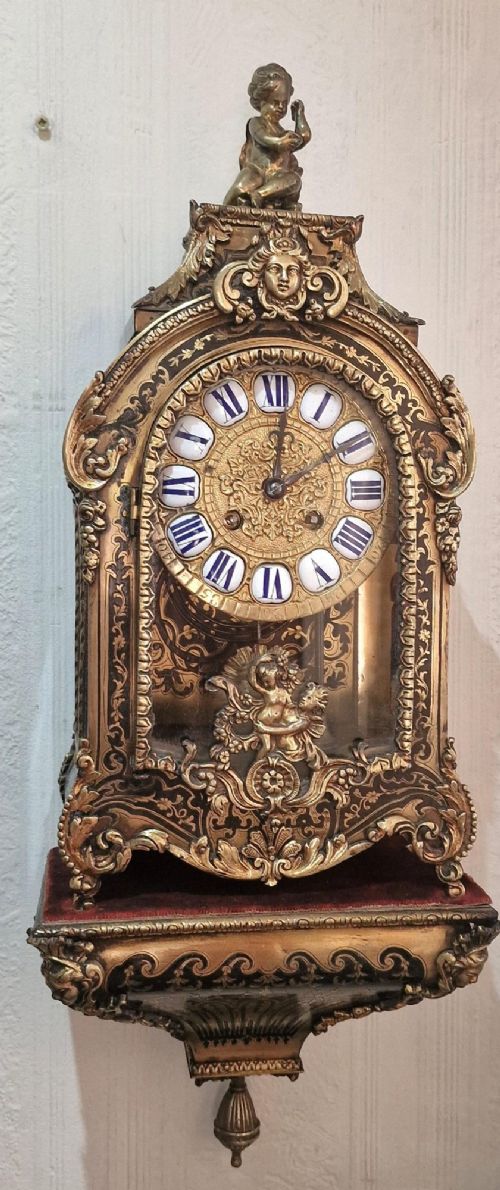
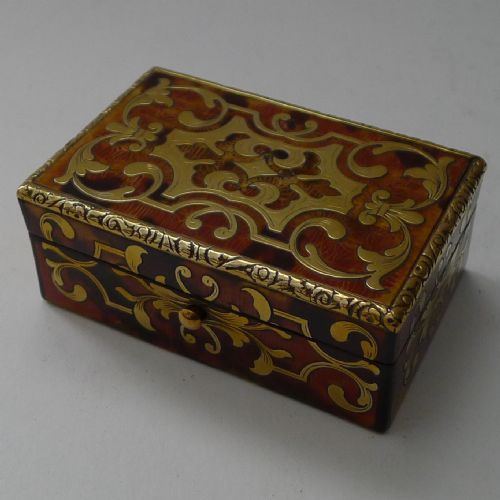
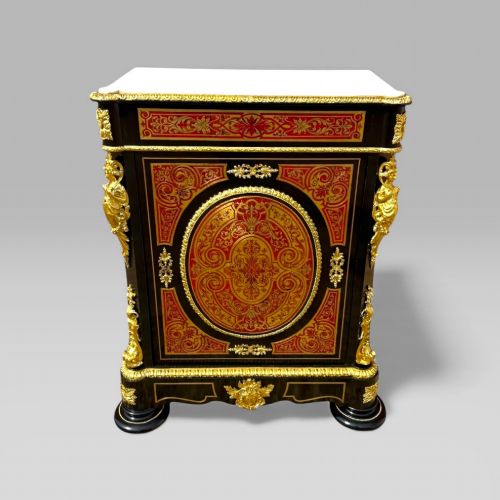
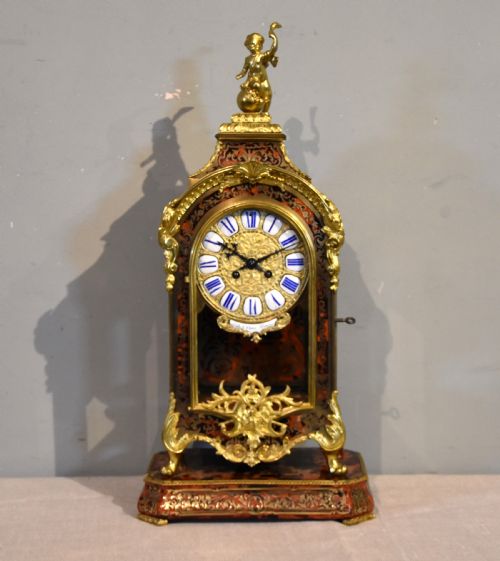
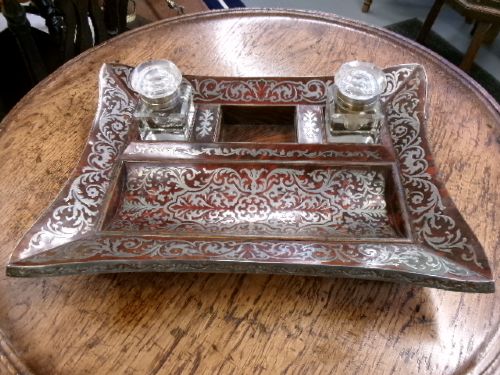
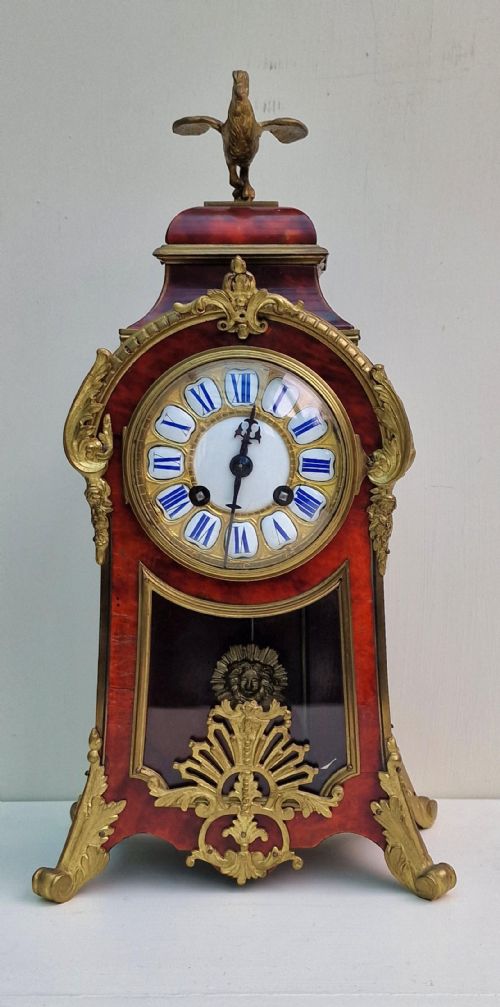
Brass and tortoiseshell pieces span the nineteenth century, including the Victorian era, drawing heavily on French Napoleon III and Louis styles. The selection centres on large furniture like centre tables, pier cabinets, display cabinets, and desks alongside functional items such as mantel clocks and tea caddies.
Makers and workshops from Paris and London produced these works, employing ornate marquetry and distinctive brass inlay across various domestic objects. Mantel clocks, writing boxes, and vitrines dominate the forms, frequently styled in French Rococo Revival or Louis XIV aesthetics.
How they were made
Artisans combined sheets of brass and tortoiseshell using precise marquetry techniques, often cutting contrasting patterns simultaneously in a process known as contre-partie. These decorative veneers were applied to timber carcasses, including ebonised wood and rosewood, then polished to a deep shine.
Mounts in ormolu, gilt bronze, and enamel added structural definition and ornate detail to clocks, cabinets, and desk stands. Glass panels were incorporated into display cabinets and vitrines to showcase the intricate metalwork inside.
Brass and Tortoiseshell Retail Price Guide 2026
Typical asking prices for brass and tortoiseshell among the pieces listed under this phrase on Sellingantiques today, from the lower quarter to the upper quarter. They describe what is for sale here now, not the wider market.
What varies in quality
The precision of the brass inlay against the tortoiseshell ground marks the upper tier of craftsmanship, where lines remain crisp and flush. Lesser pieces show wider mortar lines or less refined hand-chased mounts in the ormolu and gilt bronze.
The choice of underlying timber and the depth of the tortoiseshell figure distinguish standard production from exceptional examples. Cabinetwork structure, including the stability of ebonised frames and the integrity of marquetry panels, dictates overall standard.
Thuret Paris·Henri Marc·Edwards and Roberts·Samuel Marti
The Brass and Tortoiseshell Glossary
- Boulle
- A marquetry technique using brass and tortoiseshell, developed in France and named after cabinetmaker André-Charles Boulle. It appears frequently on nineteenth-century French furniture and clocks.
- Ormolu
- Gilded bronze used for mounts, feet, and decorative accents on cabinets and clocks. This technique provides a bright metallic contrast to dark tortoiseshell surfaces.
- Vitrines
- Display cabinets featuring glass panels designed for showing porcelain and small objects. These pieces often incorporate brass and tortoiseshell marquetry on the wooden frame.
- Bureau plat
- A flat-topped writing desk, usually freestanding and finished on all sides. Many examples utilise brass inlay and tortoiseshell across the writing surface and drawers.
- Jardiniere stand
- A decorative stand designed to hold plants or flowers. These items incorporate brass and tortoiseshell decoration to match contemporary reception rooms.
Brass and Tortoiseshell: Frequently Asked Questions
What is Boulle work?
Boulle work is an intricate marquetry technique involving inlaid brass and tortoiseshell.
It was widely utilised by French and English makers during the nineteenth century on clocks, cabinets, and desks.
How do I date a mantel clock?
Mantel clocks from this category typically date from the nineteenth century, particularly the Victorian era and Napoleon III period.
Maker signatures, movement types, and stylistic revivals such as Louis XIV or Rococo help determine the exact decade.
Where were these pieces used?
These decorative items were designed for principal reception rooms in grand nineteenth-century homes.
Centre tables, pier cabinets, and clocks served both functional roles and status displays for wealthy owners.
Are tortoiseshell items fragile?
Tortoiseshell requires careful placement away from direct sunlight and extreme temperature changes to prevent warping.
The underlying wooden structures and brass inlays remain durable with standard household care.