



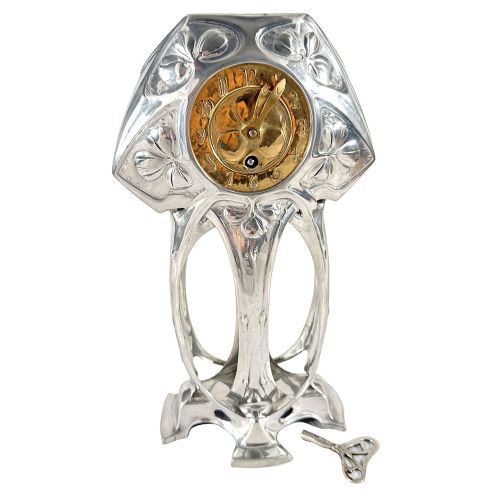

Brass and Silver Dial
A brass and silver dial brings crisp contrast to a clock face, marking time through distinct metalwork that collectors prize for clarity and craftsmanship.
Brass and Silver Dial
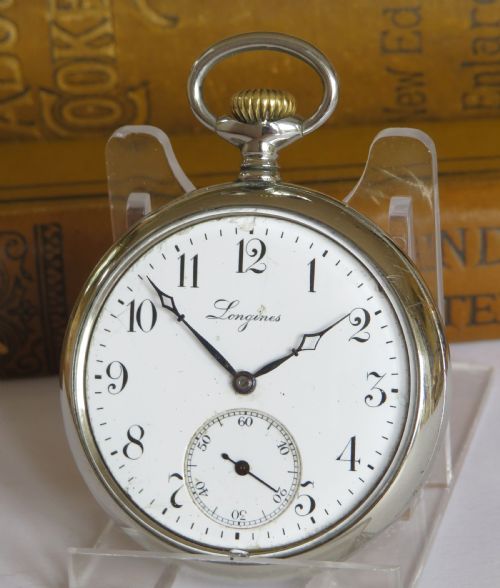
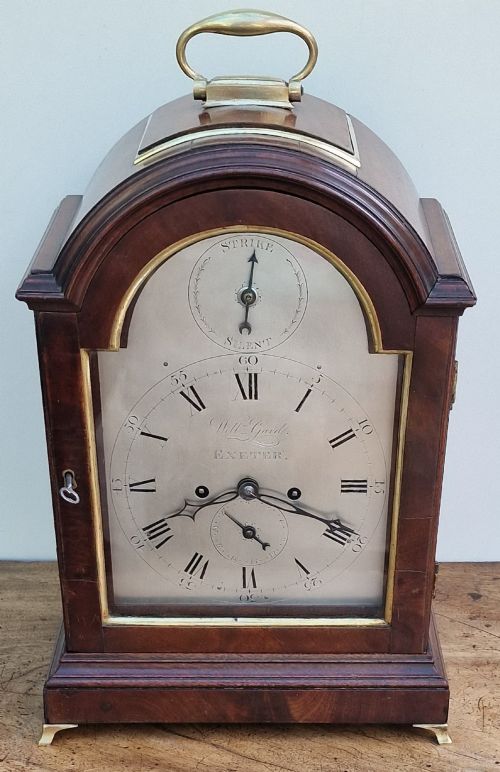
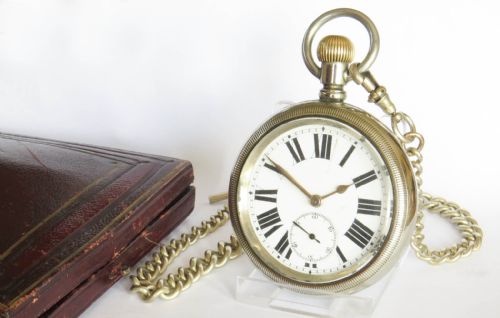
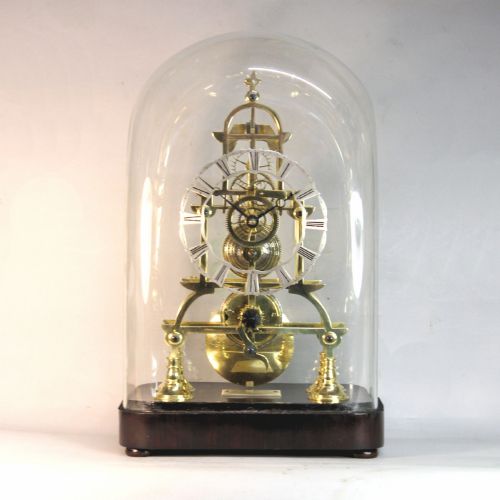
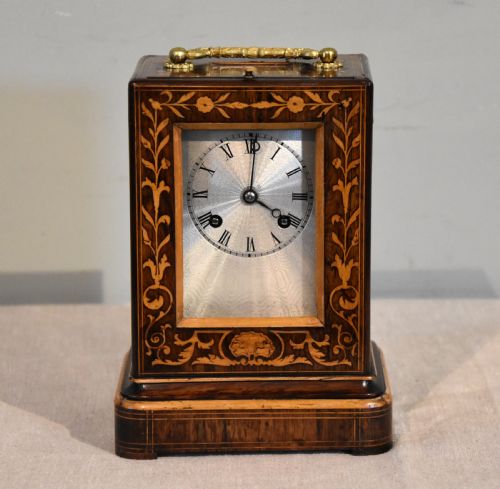
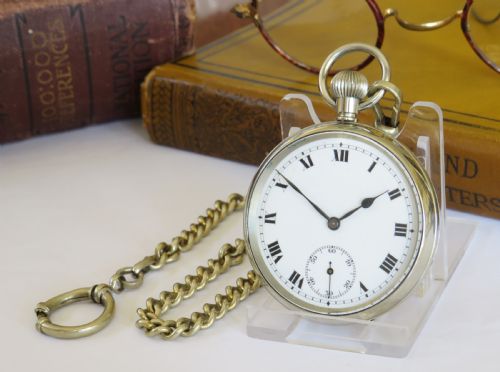
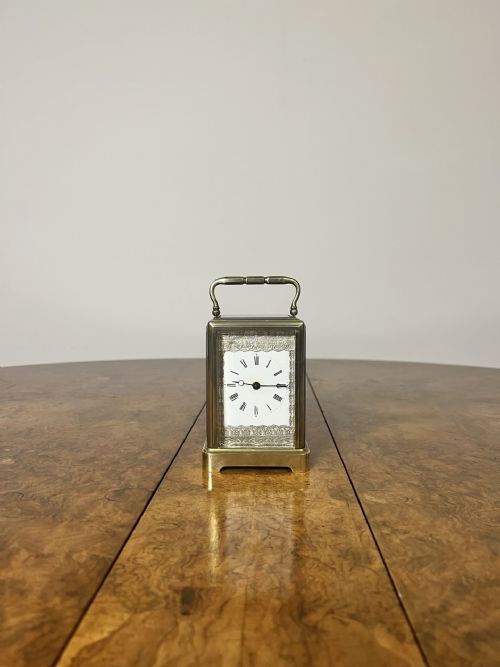
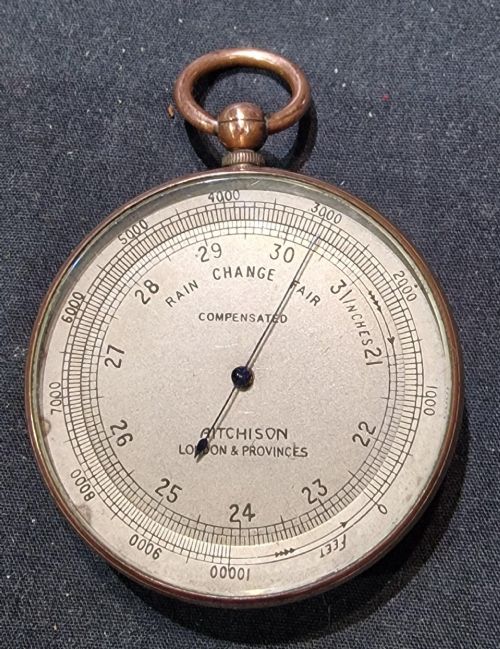
When searching for a brass and silver dial, a buyer examines clocks and barometers featuring metallic faces that combine warm brass elements with silvered metal details. These pieces originate primarily from the Georgian, Victorian and Edwardian periods, appearing on bracket clocks, mantel clocks and stick barometers.
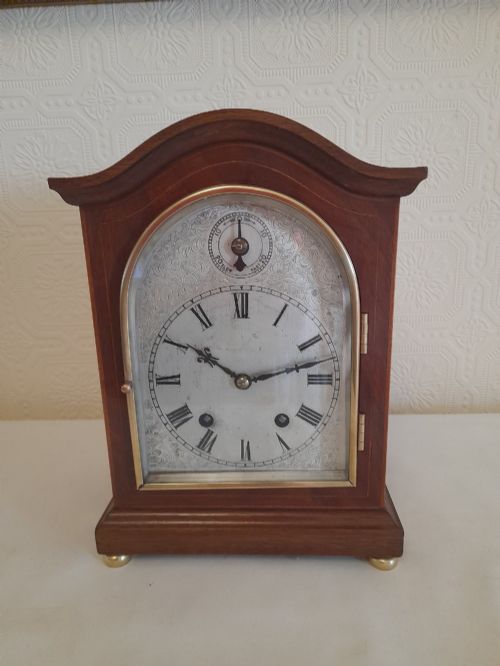
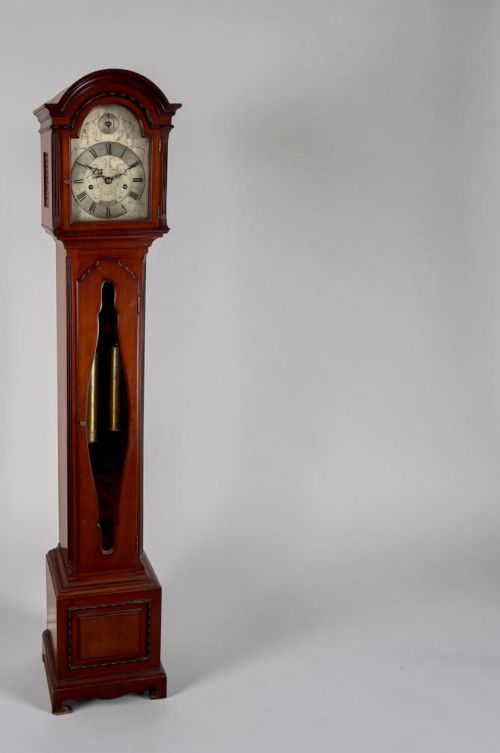
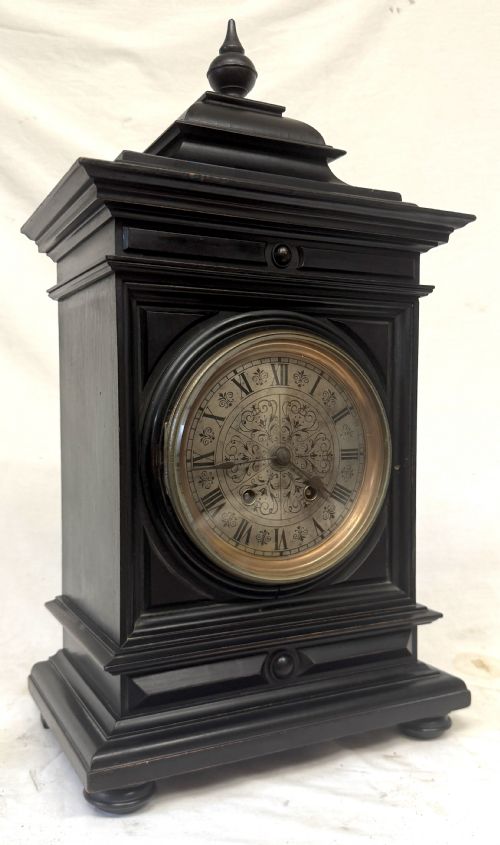
The version most commonly met on this page is the bracket or mantel clock housed in a mahogany or rosewood case, where the dial serves as the visual centrepiece. Makers paired polished brass bezels or spandrels with engraved silvered metal chapters to ensure legibility across various domestic interiors.
Materials and construction
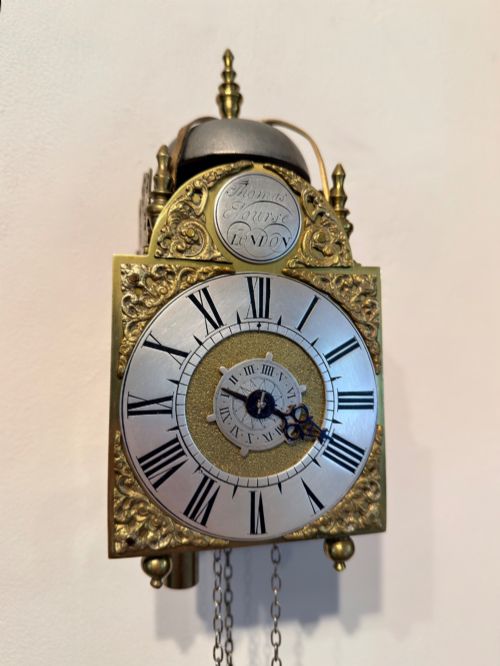
The construction relies on brass plates and cast brass bezels paired with silvered metal sheets for the chapter rings. Artisans engraved or etched numerals and markings into the metal before applying a silver finish to create sharp contrast against the darker brass background.
Cases utilise dense timbers such as mahogany, walnut and rosewood, often polished or ebonised to complement the metallic dials. Movement components incorporate steel and glass components assembled by hand to house these complex timekeeping mechanisms.
Brass and Silver Dial Retail Price Guide 2026
Typical asking prices for brass and silver dial among the pieces listed under this phrase on Sellingantiques today, from the lower quarter to the upper quarter. They describe what is for sale here now, not the wider market.
Early watchmakers sometimes hid private signatures beneath the silvered dial plate, leaving a secret mark for future repairers to discover.
Distinctions in quality
Quality rests upon the crispness of the engraving on the silvered metal and the precision of the brass casting. Finer examples display deep, clear lettering and well-defined floral or geometric spandrels that retain their original finishes without excessive wear.
The integrity of the case construction and the originality of the movement further separate standard pieces from superior examples. Master clockmakers integrated well-proportioned brass and silver components that have survived centuries without replacement or heavy restoration.
Gillett & Johnston of Croydon·Mappin & Webb·Richard Winter of Chieveley·Thomas Cole·Winterhalder & Hofmeier·James Tregent of London·Litherland Davies Of Liverpool·Des Granges of London
The Brass and Silver Dial Glossary
- Silvered metal
- A brass or copper base treated with a silver solution to create a bright, matte finish for clock dials and barometer scales.
- Bracket clock
- A portable table or mantel clock originating from a period when clocks sat on wall brackets to improve sound projection.
- Fusee
- A conical pulley connected to a cord or chain that equalises the driving force of the mainspring as it unwinds.
- Spandrel
- The ornamental corner piece positioned between the circular dial chapter ring and the rectangular frame of a clock face.
- Verge escapement
- An early mechanical regulating device that controls the speed of the gear train using a crown wheel and pallet cross-bar.
Brass and Silver Dial: Frequently Asked Questions
How do I care for a silvered metal dial?
Silvered metal surfaces require gentle dusting with a soft, dry cloth to prevent the accumulation of grime without abrading the delicate engraved lines.
Avoid chemical polishes and liquid cleaners, as these substances strip the thin silver coating from the underlying brass or copper base.
Are these clocks suitable for daily use?
Most antique clocks with these dials function well in a modern home when wound carefully and maintained by a professional horologist.
Mechanical movements from the eighteenth and nineteenth centuries need regular servicing to keep accurate time and preserve their internal components.
How do I identify the period of the clock?
Dating relies on examining the style of the wooden case, the shape of the brass hands, and the typographic conventions used on the silvered dial.
Georgian examples often feature arched brass dials with intricate spandrels, while Victorian and Edwardian pieces show simpler geometric layouts and polished mahogany housings.