



Brass and Onyx Table
A brass and onyx table brings together polished stone and warm metalwork, offering a functional surface shaped by Victorian, Edwardian and Art Deco hands.
Brass and Onyx Table
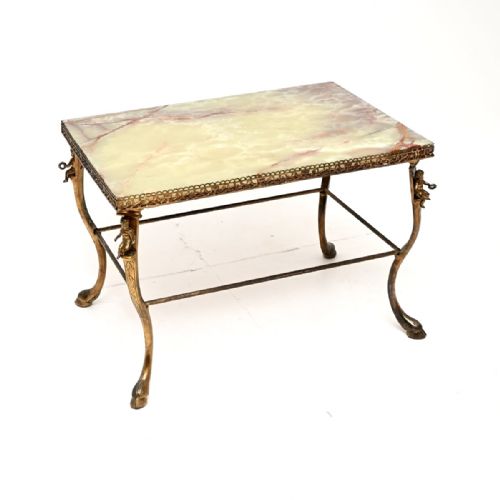
A brass and onyx table encompasses coffee tables, two-tier tea tables, pedestal tables and plant stands designed to anchor a room with contrasting materials. When you search for this phrase, you meet forms spanning the Victorian era through the Edwardian period and into the 1930s Art Deco years.
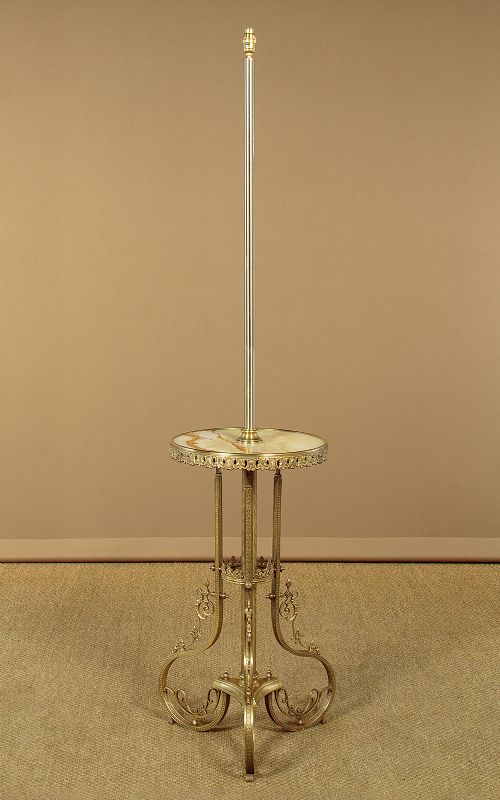
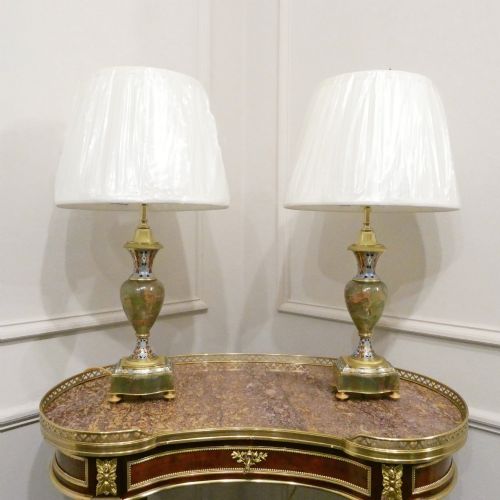
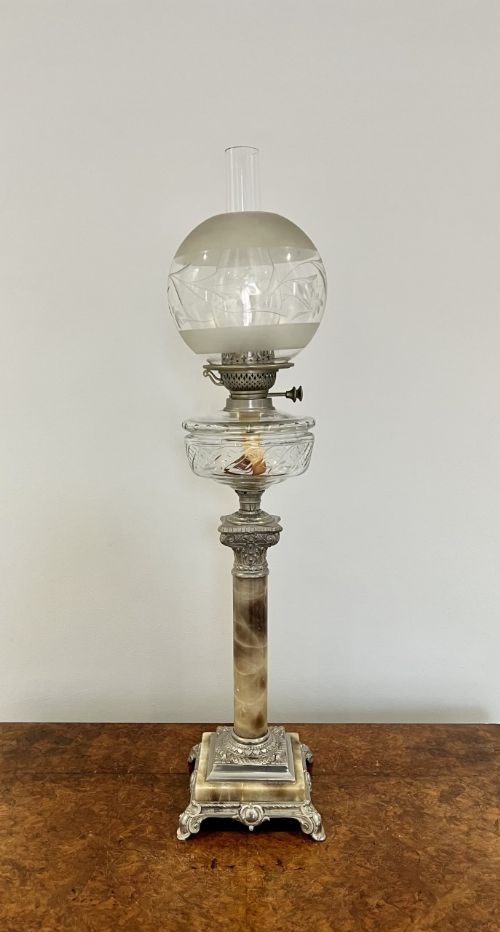
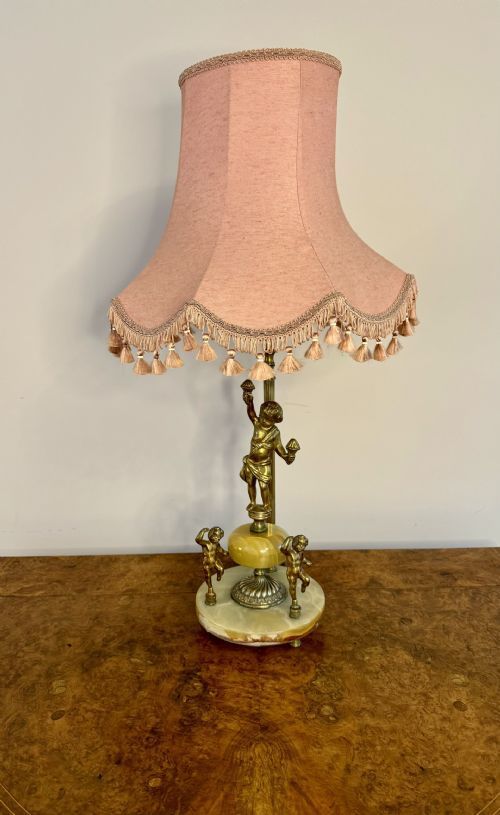
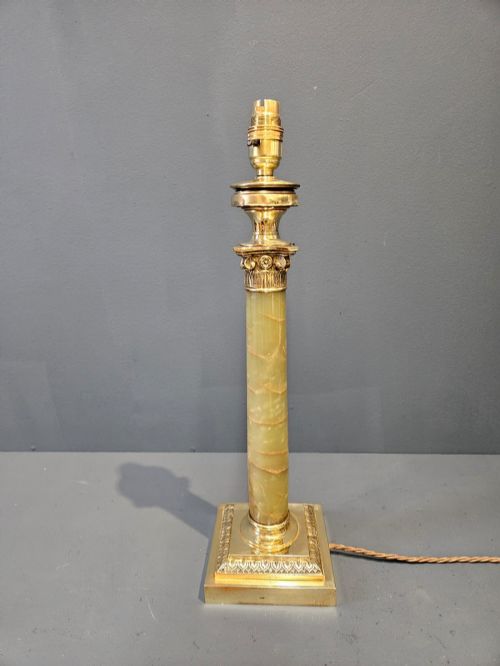
The material pairing also extends beyond conventional tables into standard lamps fitted with wine trays, mantel clocks, and occasional furniture featuring inset stone surfaces. French workshops heavily influenced these designs, often incorporating gilt bronze or ormolu mounts alongside white and green varieties of onyx.
Victorian and Edwardian examples lean towards classical revival and ornate detailing, while later 1930s pieces introduce streamlined geometric lines. You are equally likely to encounter smaller occasional surfaces as you are grander multi-tiered tea tables designed for period interiors.
How they were made
Craftsmen built these pieces using structural brass, gilded metal, or bronze frameworks to support heavy slabs of natural onyx and marble. Chiseled and cast brass elements provide the structural integrity, frequently enhanced with ormolu mounts and paw feet.
The stone tops and panels utilise distinct varieties of onyx, ranging from standard white to deep green tones, which are cut, polished, and fitted directly into metal frames. Joinery combines metal casting with traditional furniture construction to ensure the stone sits flush within its brass gallery.
Brass and Onyx Table Retail Price Guide 2026
Typical asking prices for brass and onyx table among the pieces listed under this phrase on Sellingantiques today, from the lower quarter to the upper quarter. They describe what is for sale here now, not the wider market.
The listings span from the Victorian era through Edwardian classicism to 1930s Art Deco, uniting brass, green onyx, marble, and gilt bronze.
What varies in quality
The caliber of a brass and onyx table depends heavily on the precision of the metal casting and the depth of the ormolu work. Finer examples display crisp chiseled detailing on the brass mounts rather than soft, mass-produced edges.
The stone itself dictates the upper tier of the range, with solid green or white onyx slabs showing distinct natural veining rather than uniform composition. Weight, the integration of multi-tiered structures, and the crispness of classical motifs separate standard production pieces from exceptional ones.
Elliott·Ferdinand Priess
The Brass and Onyx Table Glossary
- Onyx
- A form of chalcedony quartz exhibiting parallel bands of colour, used extensively for table tops and lamp bases in the nineteenth and twentieth centuries.
- Ormolu
- Gilded bronze applied as a decorative mount to furniture and clocks, created through a mercury gilding process or later electroplating.
- Champleve
- An enamelling technique where metal is gouged out to hold enamel decoration, frequently found on accompanying lamp bases and decorative objects.
- Galleried
- A raised metal or wooden border running along the edge of a table top to prevent items from sliding off.
- Garniture
- A set of three or more matching decorative objects, typically comprising a mantel clock flanked by matching candelabra or urns.
Brass and Onyx Table: Frequently Asked Questions
How do I clean a brass and onyx table?
Use a soft, dry cloth to remove dust from both the stone surface and the metal frame. Avoid harsh chemical cleaners or acidic solutions that can etch the polished onyx.
For the brass elements, gentle dusting preserves the natural patina without stripping the historic finish. Ensure moisture does not linger in the crevices of cast mounts.
Are these tables sturdy enough for daily use?
These pieces use solid brass frameworks and heavy stone slabs designed to support everyday items like books, lamps, and tea services. Their substantial weight gives them inherent stability.
Care should be taken when moving them to lift rather than drag, protecting both the joints and the floor beneath.
How do I identify the period of a piece?
Examine the decorative vocabulary and construction methods used in the metalwork. Victorian and Edwardian examples often feature classical revival motifs, Corinthian columns, and ornate ormolu mounts.
Art Deco pieces from the 1930s transition to cleaner lines, geometric forms, and distinct green onyx panels. Comparing the casting style helps narrow down the decade of production.
Did onyx tables always include brass?
While brass and gilt metal are the most common companions for stone tops, pieces also incorporate bronze, copper, and occasionally wooden frames like walnut. The metal selection generally reflects the prevailing style of the manufacturing period.
French workshops frequently paired the stone with ormolu or gilded bronze, while later standard lamps utilised adjustable brass columns.