

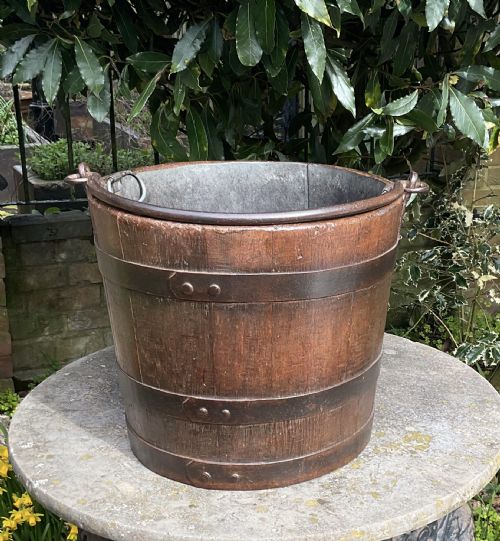


Brass and Oak Bucket
A brass and oak bucket brings the honest warmth of coopered timber and polished metal straight to the fireside.
Brass and Oak Bucket
A brass and oak bucket encompasses robust vessels shaped by coopers for fireside storage, hearthside coal management, and maritime service. These sturdy containers appear across periods ranging from the Georgian era through the Edwardian years.
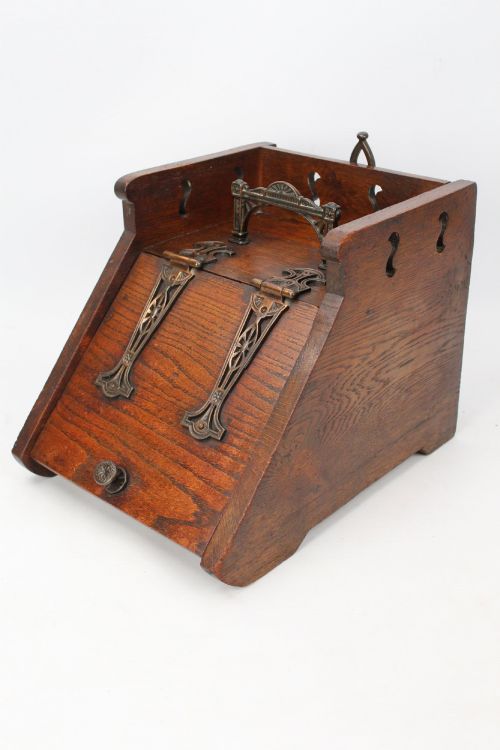
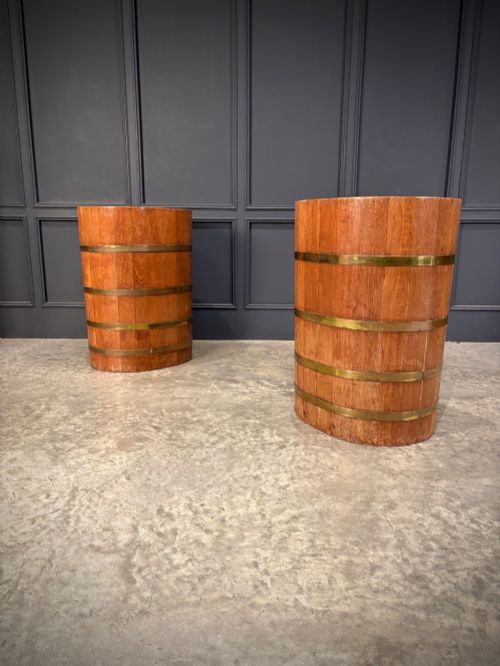
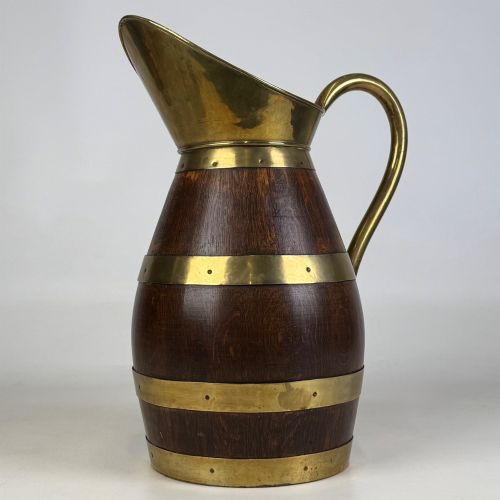
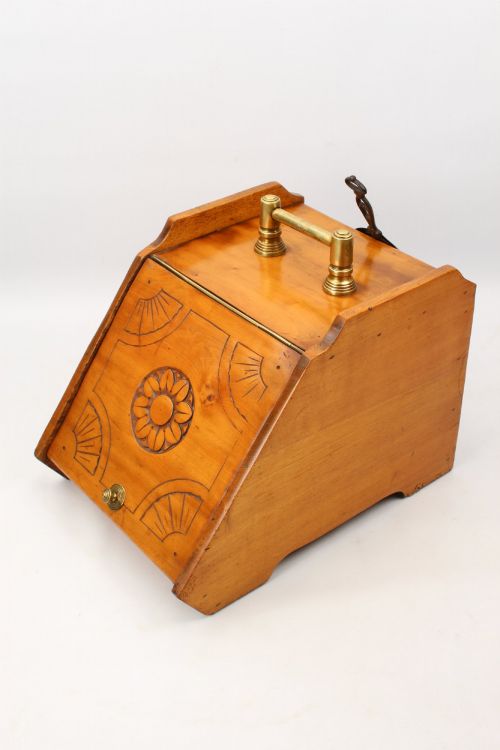
Most examples found here take the form of coopered oak coal bins, log baskets, and umbrella stands bound with bright brass bands. Pieces with metal liners and drop handles serve practical roles beside the hearth while displaying traditional craftsmanship.
Materials and construction
Traditional coopers built barrels and buckets with curved staves that required precise edge-jointing to remain liquid-tight or stable for dry storage. Brass mounts and swing handles provide structural reinforcement alongside decorative contrast against the dark hardwood.
Brass and Oak Bucket Retail Price Guide 2026
Typical asking prices for brass and oak bucket among the pieces listed under this phrase on Sellingantiques today, from the lower quarter to the upper quarter. They describe what is for sale here now, not the wider market.
Listings span the eighteenth, nineteenth, and early twentieth centuries, incorporating Georgian, Victorian, and Edwardian periods in oak, mahogany, brass, and iron.
Judging quality and character
Quality rests in the precision of the cooperage and the weight of the brass mountings securing the oak staves. Superior examples display tight, uniform stave joints and heavy gauge metal that resists flexing under load.
The presence of original linings, armorial crests, or authentic period handles elevates a piece above standard utility items. Clean patination on the timber and intact brass fixings demonstrate careful preservation over generations.
The Brass and Oak Bucket Glossary
- Coopered
- Built from curved wooden staves joined edge-to-edge and bound with metal hoops. This ancient technique ensures strong, self-supporting vessels without the use of nails through the body.
- Purdonium
- A specialised coal box designed for domestic hearths, often featuring a sloping front and a drop-down lid. These items keep fuel tidy while offering a refined appearance in a Victorian room.
- Jardiniere
- An ornamental pot or stand designed to hold living plants or floral displays. In oak and brass, these items adapt coopered barrel construction for interior botanical display.
- Armorial crest
- A heraldic design engraved or painted onto metal or wood to denote ownership by a specific family or institution. Such details appear on maritime and naval vessels.
Brass and Oak Bucket: Frequently Asked Questions
What were these buckets originally used for?
These vessels served primarily to transport and store domestic fuel such as coal, peat, and logs beside the open hearth. Maritime and naval versions also held rations, grog, or firefighting water.
Over time, many of these sturdy containers transitioned into decorative umbrella stands, stick holders, and planters for large indoor houseplants.
How do I clean the brass bands?
Dust the brass gently with a soft cloth to remove surface grit without disturbing the aged patina on the surrounding oak. Avoid harsh chemical cleaners that strip the historic character from the metalwork.
Take care to keep moisture away from the timber staves while polishing adjacent metal components to prevent water staining the wood.
Can I use an antique coal bucket for logs?
These vessels handle dry firewood exceptionally well, provided the interior lining remains solid enough to contain loose bark and debris. Many surviving examples retain metal liners specifically designed to catch residue from fuel.
Check the internal base for stability before loading heavy logs to ensure the ancient wooden bottom supports the weight safely.
How can I tell a Georgian bucket from a Victorian one?
Georgian and George III pieces often display finer proportions and hand-hammered brass work typical of eighteenth-century craftsmanship. These early items frequently take the form of specialised peat buckets.
Victorian and Edwardian examples tend toward heavier domestic purdoniums, umbrella stands, and standard coal scuttles with machine-rolled brass bands and cast handles.