



Brass and Marble Shelf
A brass and marble shelf is a sturdy architectural stage for an interior, combining metal framework with heavy stone to hold small treasures.
Brass and Marble Shelf
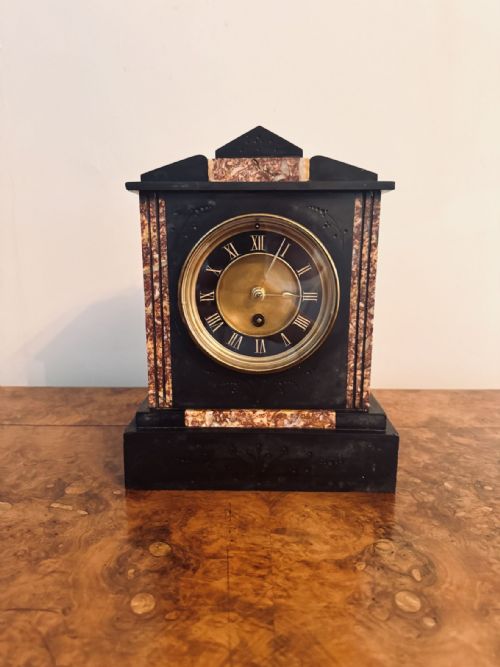
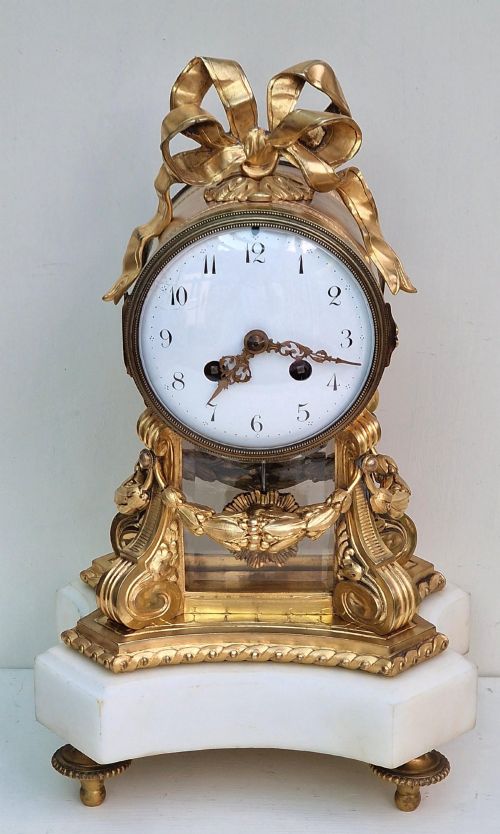
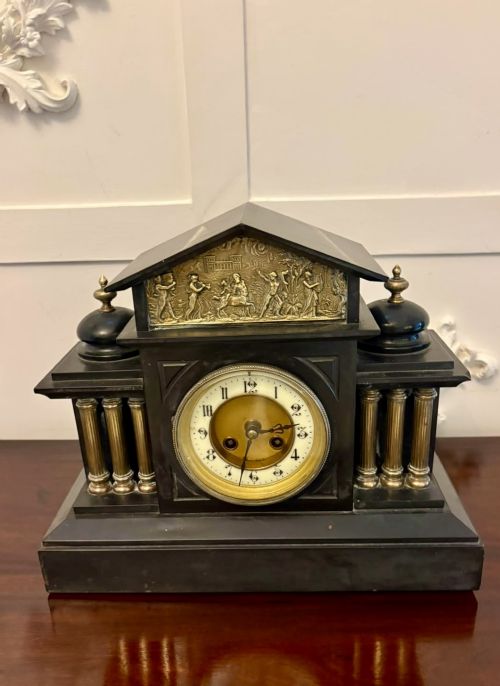
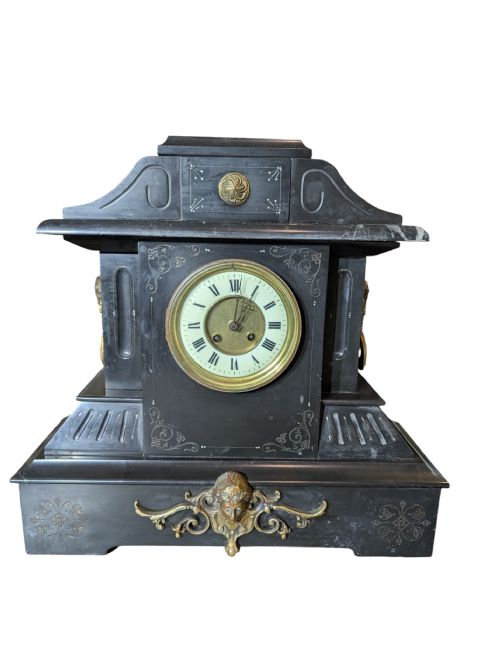
When people search for a brass and marble shelf, they seek functional ledgers and display surfaces that marry metallic lustre with cool stone. The listings here predominantly reveal mantel clocks, side furniture, and standard lamps rather than isolated wall boards, translating the phrase into integrated stands and clock bodies where brass and marble meet.
Victorian and nineteenth-century examples dominate the selection, spanning styles from Regency and Neoclassical to Art Nouveau and French Empire. These pieces range from architectural clock cases featuring slate and gilt brass to side tables, chiffoniers, and tiered gueridons fitted with stone tops.
Makers and retailers such as Philippes Paris, Baby and Jannings, D. Munsey of Cambridge, and William Hardy London appear across the nineteenth-century timeline. The material pairings extend beyond simple brass to include ormolu, gilt bronze, and black slate alongside white, red, and Sienna varieties of marble.
Materials and Construction
Foundry cast brass, gilt bronze, and ormolu provide the structural mounts, bezels, and decorative frames. These metals are shaped and polished to contrast against heavy slabs of quarried stone.
Natural stone forms the primary structural body and top surfaces, utilising white, Sienna, and red marble alongside black slate and green onyx. Craftsmen cut, inlaid, and polished these dense materials to support mechanical movements and display objects.
Brass and Marble Shelf Retail Price Guide 2026
Typical asking prices for brass and marble shelf among the pieces listed under this phrase on Sellingantiques today, from the lower quarter to the upper quarter. They describe what is for sale here now, not the wider market.
Materials span ormolu, gilt bronze, glass, and enamel alongside traditional rosewood cabinetry and standard lamps.
Distinctions in Quality
The refinement of the cast metal mounts and the depth of the marble inlay dictate the visual standard of a piece. Finer examples display crisp chisel work on the ormolu and seamless joins in the stone architecture.
Integrity of the eight-day movements and the harmony between the brass elements and the specific marble variety separate standard production from exceptional nineteenth-century workshop output.
Philippes Paris·Baby and Jannings·D. Munsey of Cambridge·William Hardy London
The Brass and Marble Shelf Glossary
- Ormolu
- Gilded bronze utilised for decorative mounts and clock cases. The technique involves applying a mercury and gold amalgam to the bronze base before heating.
- Sienna marble
- A decorative yellow and brown quarried stone originating from Italy. It frequently appears in nineteenth-century mantel clocks to provide rich chromatic contrast.
- Gueridon
- A small circular table supported by one or more columns. French Empire examples often incorporate marble tops and canework.
- Fusee
- A conical pulley used in clock movements to maintain even tension on the mainspring as it unwinds. This mechanism ensures consistent timekeeping.
- Chiffonier
- A low cabinet equipped with shelves or drawers, popular during the Regency and Victorian periods. Marble tops provide a durable surface for display.
Brass and Marble Shelf: Frequently Asked Questions
What periods do these pieces represent?
The selection spans the nineteenth century up to the early twentieth century, taking in Regency, Victorian, and Art Nouveau aesthetics. Dates cluster heavily around the Victorian era and 1880.
Craftsmen drew upon French Empire and Louis XVI revivals, integrating classical architectural motifs into functional household objects.
How were marble clock cases constructed?
Heavy slabs of black slate or coloured marble were sawn and fitted together to form solid architectural housings. Brass and ormolu mounts were then pinned or screwed to the stone faces.
Enamel dials and mechanical movements were fitted directly into the stone chassis, creating heavy structures designed for mantelpieces.
How do I care for marble and brass?
Marble requires gentle cleaning with a damp cloth, avoiding acidic substances that can etch the polished surface. Brass and ormolu should be dusted lightly without abrasive polishes that remove the gilding.
Maintaining stable room temperatures prevents stress on the joints where metal meets stone.
What is the difference between ormolu and gilt bronze?
Ormolu is a specific historic term for high-status mercury gilding applied to bronze mounts. Both materials achieve a rich golden finish on decorative metalwork.
In nineteenth-century pieces, these gilded elements highlight the architectural lines of the marble bodies.