


Brass and Leather Seat
A brass and leather seat brings warmth and grounded weight to a room through sturdy metal and hide.
Brass and Leather Seat
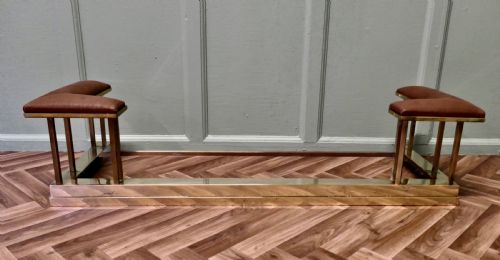
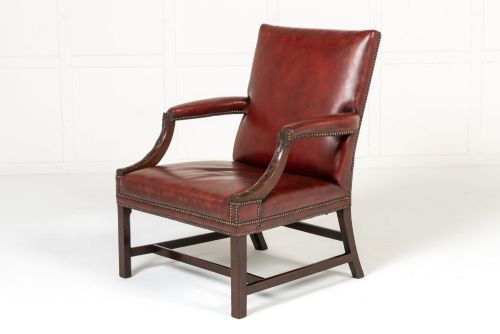
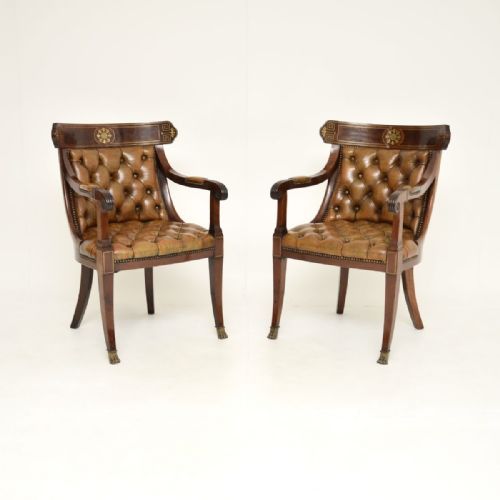
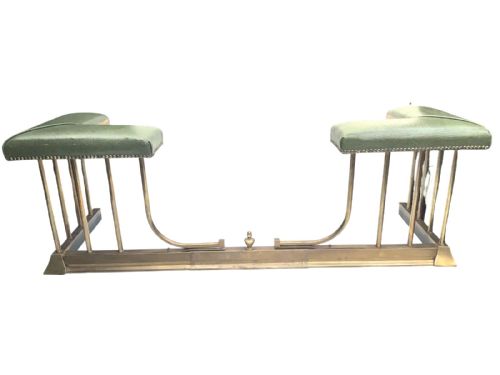
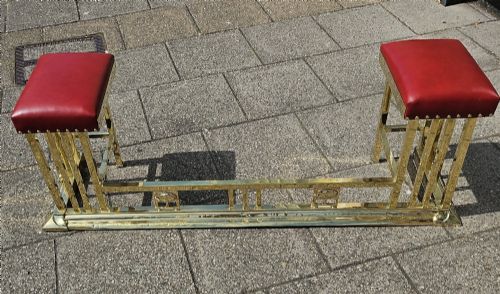
A brass and leather seat encompasses practical household items designed for daily utility, appearing predominantly as club fenders, armchairs, and stools. These pieces draw from periods spanning the eighteenth century through the nineteen-thirties, reflecting diverse historical tastes including Regency, Victorian, and Art Deco styles.
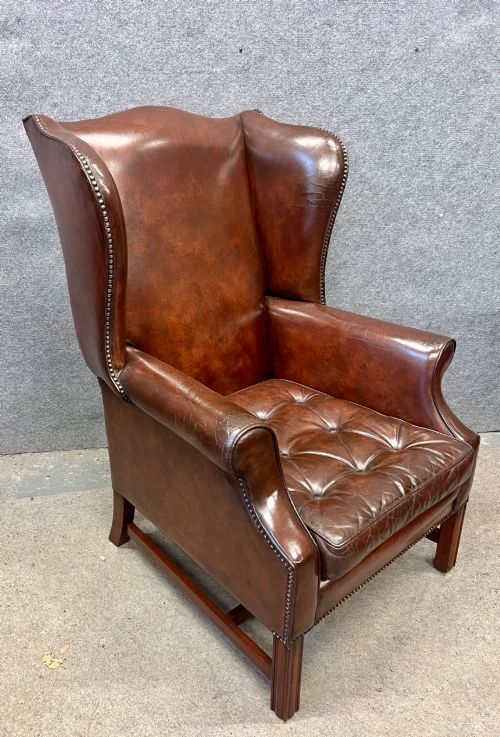
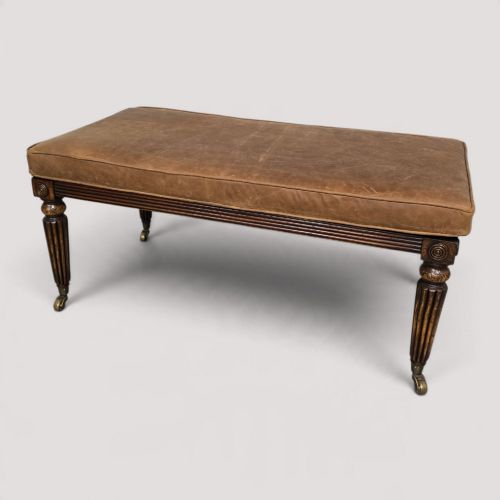
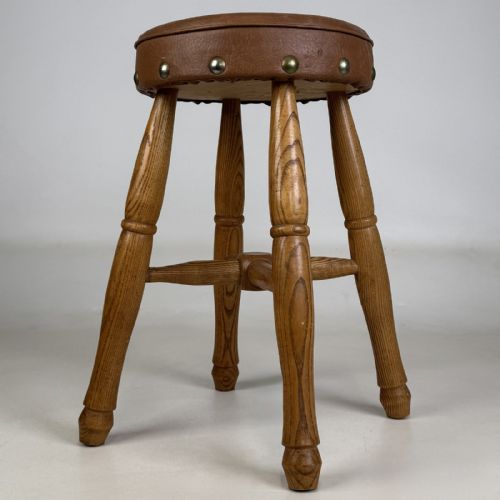
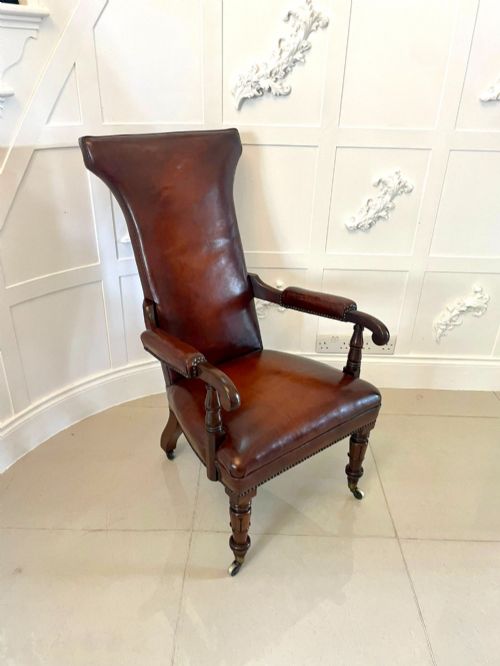
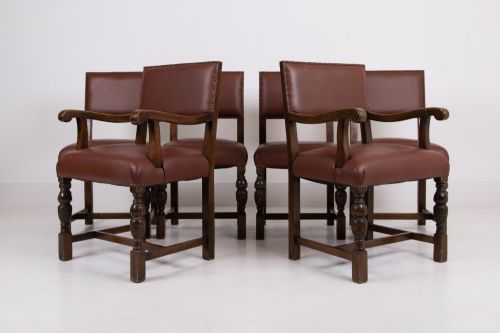
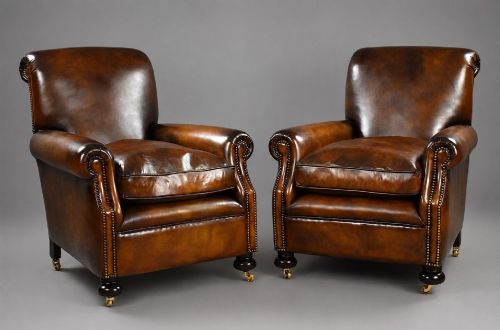
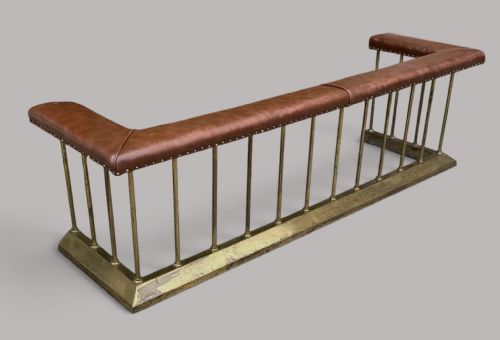
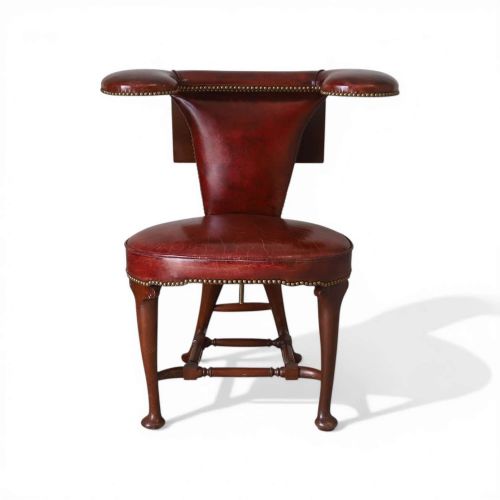
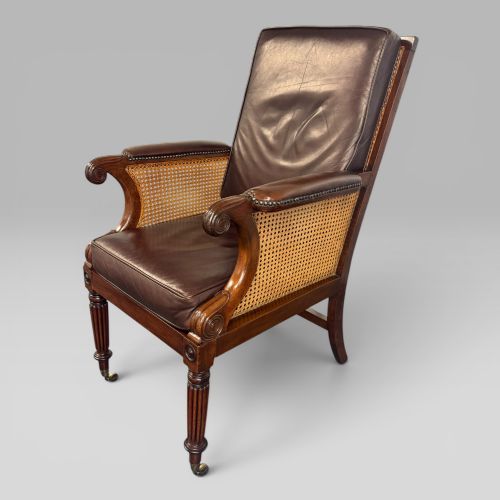
The buyer meets numerous variations on this page, ranging from fireside club fenders with upholstered bench seating to library armchairs and heavy oak or mahogany dining chairs. Forms extend to footstools, ottomans, and reading chairs, utilising robust timber frames combined with metal detailing and hide upholstery.
Materials and Construction
Craftsmen built the structural frames using hardwoods such as mahogany, oak, walnut, and rosewood, often shaping them according to traditional Georgian, Regency, or Edwardian designs. These wooden supports provide the necessary rigidity for frequent sitting and sustained use.
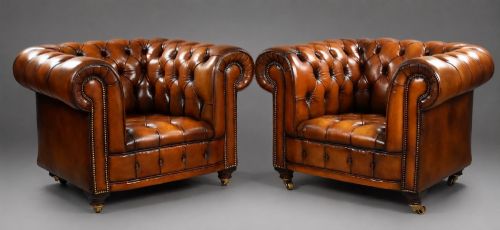
Makers integrated brass elements, notably in club fender frames, foot rails, and decorative studwork securing the upholstery. Seats feature leather surfaces, sometimes enhanced with buttoning, brass studs, or hand-dyed finishes in red, green, and tan hues.
Brass and Leather Seat Retail Price Guide 2026
Typical asking prices for brass and leather seat among the pieces listed under this phrase on Sellingantiques today, from the lower quarter to the upper quarter. They describe what is for sale here now, not the wider market.
Cockfighting chairs appear among the oak frames, designed long ago with a low seat for an unusual sporting spectator.
Evaluating Quality
Quality rests in the harmony of the timber frame, the integrity of the brass components, and the treatment of the leather. Superior pieces exhibit substantial framing in dense woods like mahogany or oak, paired with heavy cast or tubular brass that maintains a solid structure.
The standard of the upholstery work defines the distinction between ordinary and exceptional examples. Fine seating displays carefully fitted hide, secure brass studding, and resilient internal padding that supports the leather without slackness.
The Brass and Leather Seat Glossary
- Club fender
- A low fireside seat with a metal frame and padded leather top designed to enclose a hearth. This form provides comfortable seating close to the fire.
- Bergère
- An enclosed armchair with upholstered sides and back set within a wooden frame. These pieces often incorporate cane or leather elements.
- Library chair
- A substantial armchair built for reading rooms, typically featuring padded leather arms and seat. They prioritize ergonomic support for extended periods of study.
- Ottoman
- A low upholstered seat or bench without a back or arms. These versatile forms function as footrests or auxiliary seating.
- Campaign chair
- A portable folding or dismantling chair originally designed for military officers on the move. They utilise robust frames and leather components for durability.
Brass and Leather Seat: Frequently Asked Questions
What is a club fender?
A club fender is a metal and leather structure placed around a fireplace opening. It provides low bench seating directly beside the hearth.
The design keeps sitters warm and allows people to gather close to the fire. Many versions incorporate brass tubing and leather-topped corner seats.
How do I care for antique leather?
Antique leather requires gentle cleaning and occasional conditioning to maintain its flexibility. Avoid placing these seats in direct sunlight or near intense heat sources.
Regular dusting prevents particle buildup in the grain and creases. Proper maintenance preserves the original patina of the hide over decades of use.
Where were library chairs used?
Library chairs stood in the studies and reading rooms of large houses and institutional libraries. They offered comfort during long hours of reading and writing.
Their sturdy wood frames and durable leather upholstery suited heavy daily use. Makers frequently employed mahogany and oak for these substantial seats.
How do I identify a Regency piece?
Regency seating often displays classical influences, including mahogany frames, brass inlays, and clean architectural lines. Craftsmanship from this period frequently utilises rosewood and incorporates fluted legs.
These designs emerged during the early nineteenth century in Britain. They combine refined proportion with robust structural materials.