






Brass and Bronze Statues
Brass and bronze statues bring sculptural weight and historical resonance to interiors through figures cast in metal across centuries of global craftsmanship.
Brass and Bronze Statues
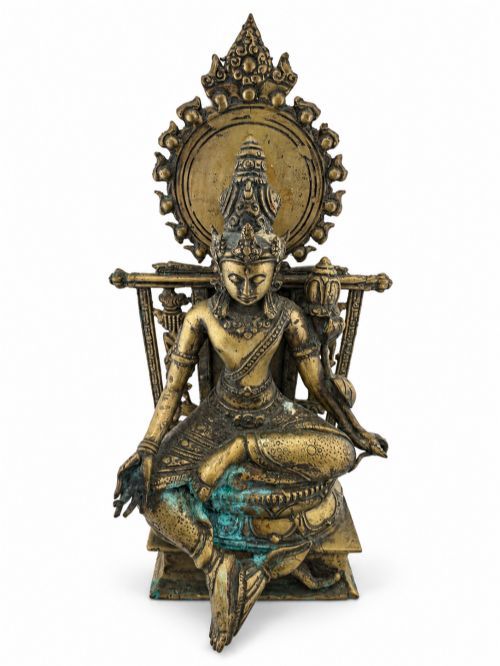
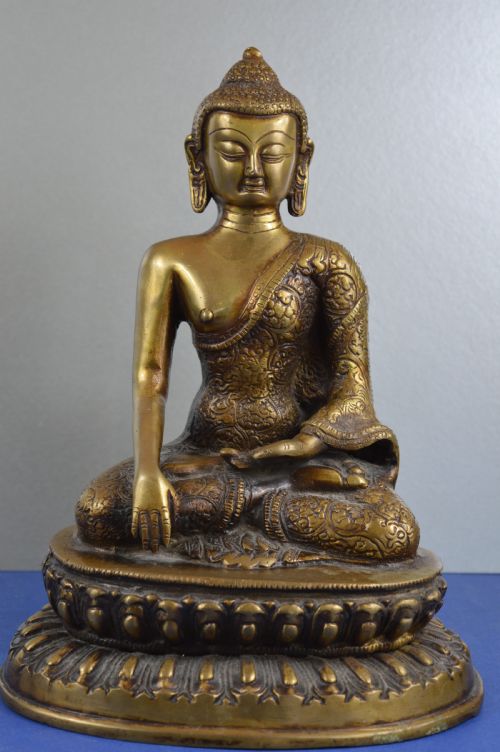
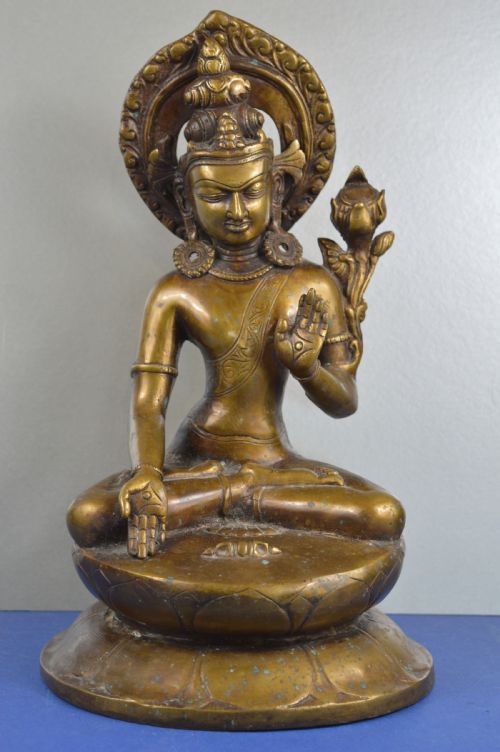
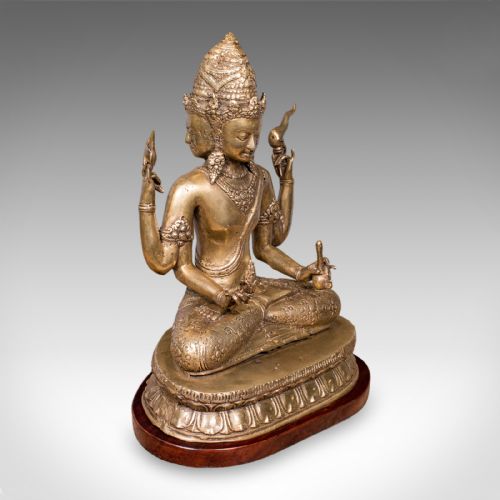
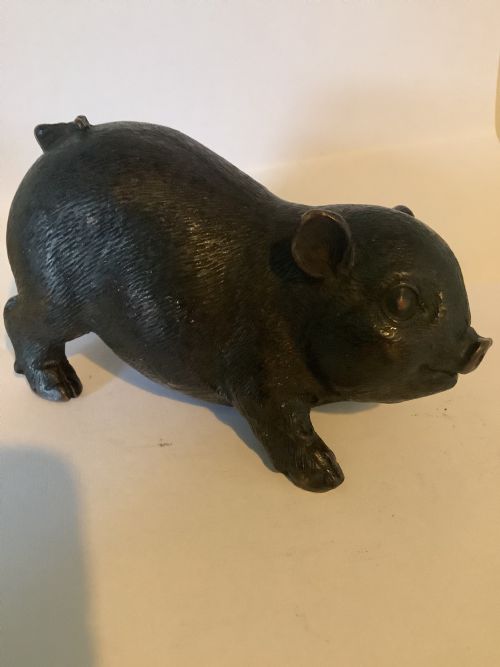
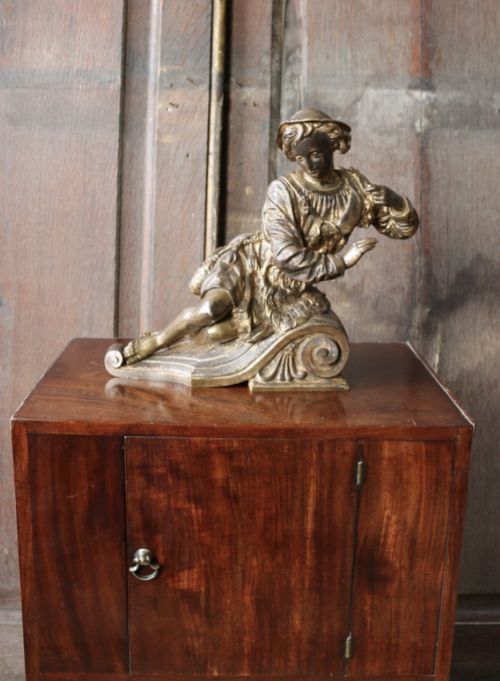
When you search for brass and bronze statues, you encounter a remarkably diverse roster of figural metalwork spanning European decorative arts, Asian sacred traditions, and African tribal casting. The selection ranges from classical Grand Tour souvenirs and Victorian animal bronzes to Tibetan Buddhist deities and Art Deco dancer figures.
The most common examples on this page date from the nineteenth and early twentieth centuries, encompassing French animalier bronzes, English library ornaments, and Asian temple figures. These objects often combine metal casting with secondary materials such as marble plinths, wooden bases, or hand-painted enamel details.
How they were made
Foundry workers utilised traditional casting methods, predominantly lost-wax casting for intricate figural forms and sand casting for heavier mechanical or utilitarian pieces. Molten copper alloys, brass, and bronze flowed into moulds before undergoing extensive hand-chiselling, filing, and surface finishing.
Surface treatments define the visual identity of these pieces, involving chemical patination to achieve deep brown or green tones, fire-gilding with mercury to deposit gold layers, or cold-painting directly onto the metal surface.
Brass and Bronze Statues Retail Price Guide 2026
Typical asking prices for brass and bronze statues among the pieces listed under this phrase on Sellingantiques today, from the lower quarter to the upper quarter. They describe what is for sale here now, not the wider market.
Object forms include temple deities, animal figures, functional inkstands, and clock garnitures originating from Europe, Asia, and Africa.
What varies in quality
Quality rests primarily in the crispness of the initial cast and the subsequent hand-chiselling required to define fine details like facial expressions, drapery folds, and musculature. Superior examples retain sharp linear definition rather than the softened contours typical of worn secondary moulds.
The weight of the alloy and the integrity of the patination or gilding further differentiate the standard of production. Original mercury gilding or deep, stable patinas created through chemical application indicate superior workshop execution compared to flat modern coatings.
Josef Lorenzl·Emile-Coriolan Guillemin
The Brass and Bronze Statues Glossary
- Bronze
- An alloy consisting primarily of copper combined with tin, prized for its tensile strength and ability to capture fine detail upon casting.
- Brass
- A yellow alloy made of copper and zinc, commonly utilised for brighter decorative figures, candlesticks, and companion sets.
- Spelter
- A zinc alloy frequently substituted for bronze in the early twentieth century, particularly for Art Deco figural lamps and table lighters.
- Patina
- The surface coloration and sheen developed through age or chemical treatment on metal sculptures.
- Grand Tour
- Nineteenth-century European travel souvenirs reproducing classical antiquity in miniature bronze or marble.
- Ormolu
- Finely chopped high-karat gold applied to a bronze base using mercury amalgamation, also known as gilt-bronze.
Brass and Bronze Statues: Frequently Asked Questions
How do I clean an antique bronze statue?
Dust the surface regularly with a soft, dry brush to prevent particulate accumulation within crevices.
Avoid commercial liquid cleaners or aggressive polishes, which strip the historical patina and permanently diminish the value.
What is the difference between bronze and spelter?
Bronze is a robust copper and tin alloy that accepts fine chisel work and develops a rich natural patina over decades.
Spelter is a softer zinc alloy that feels lighter and often shows a painted surface rather than a genuine chemical patina.
Can I place bronze statues outdoors?
Weatherproof bronze compositions containing sufficient copper withstand outdoor elements well, gradually developing a protective green verdigris.
Interior pieces incorporating wood bases, marble, or delicate cold-painted finishes should remain protected from moisture and direct sunlight.
How do I identify the age of a metal statue?
Examine the casting method, base construction, and surface wear patterns under magnification to determine manufacturing era.
Maker signatures, foundry marks, and traditional patination techniques offer further clues when compared against known historical periods.