

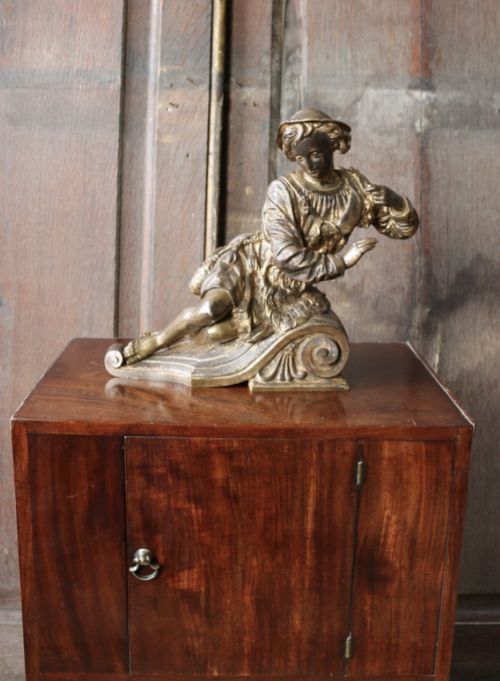


Brass and Bronze Ornament
These pieces of brass and bronze ornament span centuries of metalwork, bringing sculptural weight and polished detail to any room.
Brass and Bronze Ornament
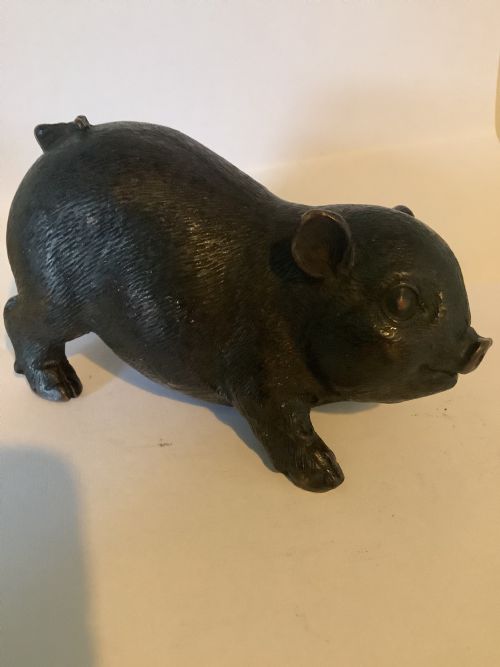
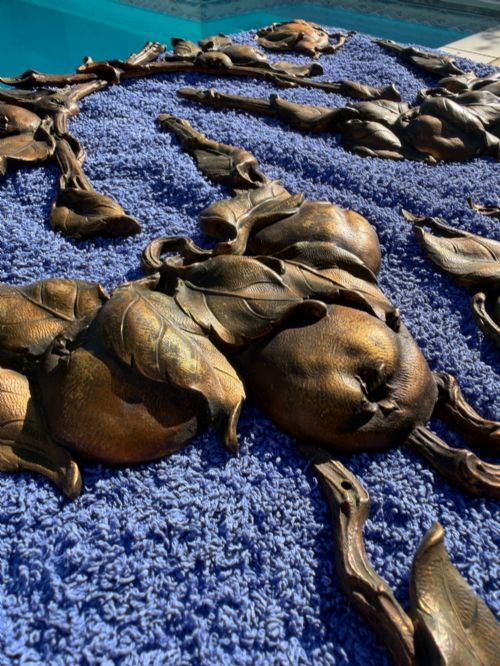
A buyer seeking brass and bronze ornament encounters a diverse mix of sculptural objects, desk accessories, and decorative items originating from various global traditions and European workshops. The selection ranges from small figurative desk ornaments and paperweights to large temple figures, animal sculptures, and architectural mounts.
Nineteenth century pieces dominate the offerings, often reflecting Victorian tastes, Grand Tour souvenirs, or French revival styles. Alongside these European works, Asian bronzes including Chinese statues, Tibetan temple lions, and Japanese vases appear frequently.
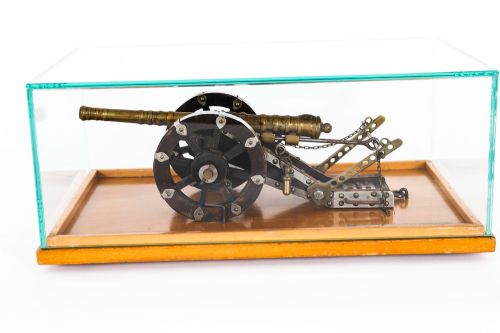
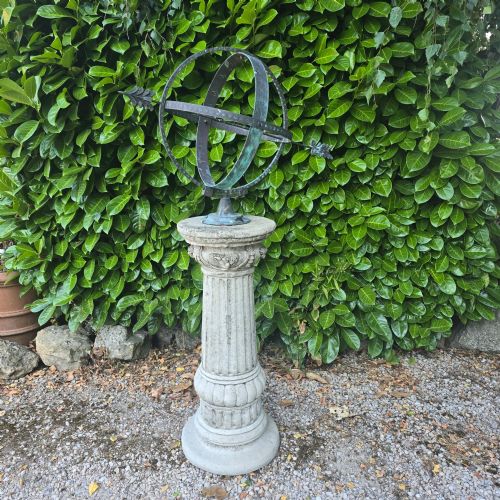
Utility and display intersect in objects like inkwells, andirons, and candelabras that combine cast metal with marble, glass, or wood. Collectors also find specialised items such as miniature field guns, car mascots, and sundials.
Materials and casting methods
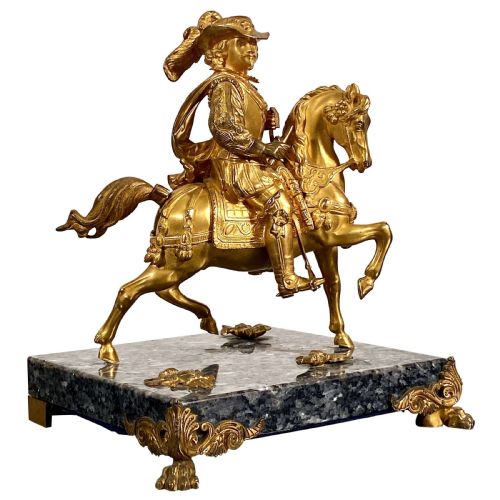
Makers utilised bronze, brass, and cast iron, often enhancing the metallic surfaces with fire gilding, ormolu, or champlevé enamel to create rich visual depth. Cast bronze and brass formed the primary structure for figures, mounts, and vessels.
Secondary materials such as marble bases, glass eyes, wooden undercarriages, and porcelain or enamel insets complemented the metalwork in decorative desk pieces and furniture mounts. Hand finishing and polishing defined the final surface character of these mixed media items.
Brass and Bronze Ornament Retail Price Guide 2026
Typical asking prices for brass and bronze ornament among the pieces listed under this phrase on Sellingantiques today, from the lower quarter to the upper quarter. They describe what is for sale here now, not the wider market.
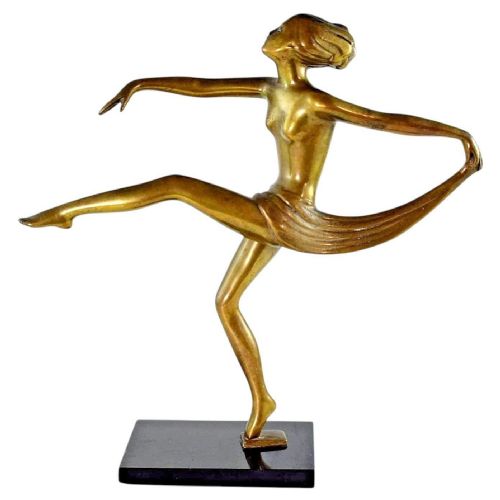
Objects span the eighteenth, nineteenth, and twentieth centuries, including Grand Tour souvenirs and Art Deco designs.
Judging metalwork quality
The integrity of the surface treatment, whether fire gilding or patination, distinguishes better pieces from simpler ones. Heavier gauge metal, secure joins, and harmonious integration with secondary materials like marble or wood indicate careful manufacture.
Poix Blin·Josef Lorenzl·Emile-Coriolan Guillemin·Miller and Edie·Barwise London·Charles Korschann
The Brass and Bronze Ornament Glossary
- Ormolu
- Gilded bronze, typically produced using a mercury amalgamation process on cast bronze objects during the eighteenth and nineteenth centuries. This technique creates a rich, durable golden surface.
- Grand Tour
- A traditional trip through Europe undertaken by upper-class young men in the eighteenth and nineteenth centuries to collect cultural artefacts and small bronzes. These souvenir sculptures often depicted classical antiquities.
- Andiron
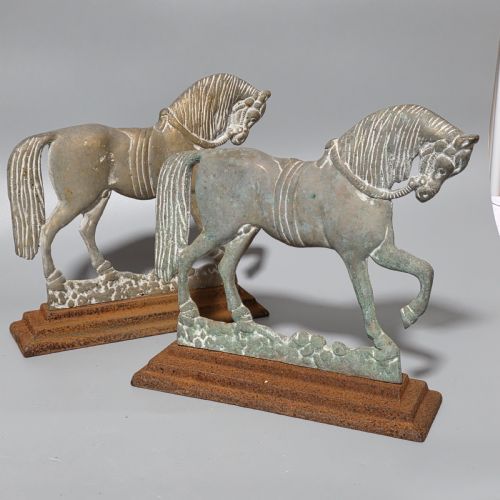
- A horizontal metal support used in pairs inside an open fireplace to hold logs above the hearth floor. The front standards frequently featured cast brass or bronze decorative statuettes.
- Champlevé
- An enamelwork technique where troughs or cells are hollowed out in the metal surface and filled with vitreous enamel paste before firing. The resulting design shows vibrant coloured patterns bounded by thin metal lines.
Brass and Bronze Ornament: Frequently Asked Questions
How do I clean antique brass and bronze?
Dust gently with a soft brush and avoid harsh commercial polishes that strip historical patination.
Leaving the natural surface intact preserves the age and character valued by collectors.
What is the difference between brass and bronze?
Bronze is an alloy primarily composed of copper and tin, offering high durability and rich tonal depth.
Brass is an alloy of copper and zinc, generally displaying a brighter yellowish hue.
Are these items original period pieces?
Most items date from the nineteenth and early twentieth centuries, reflecting the manufacturing standards of those eras.
Stylistic markers and construction details help confirm their historical origins.
How were desk ornaments used historically?
Inkwells, paperweights, and letter openers served practical functions in writing rooms and offices of the period.
Their decorative designs also demonstrated the social status and taste of the owner.