






Brass and Bronze Box
A brass and bronze box brings weight and warm metal tones to a room, holding trinkets, letters, or jewellery safely inside.
Brass and Bronze Box
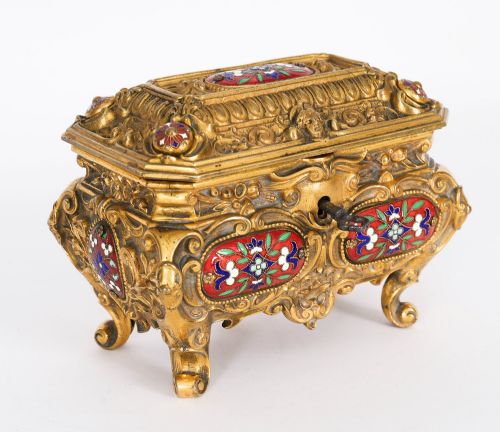
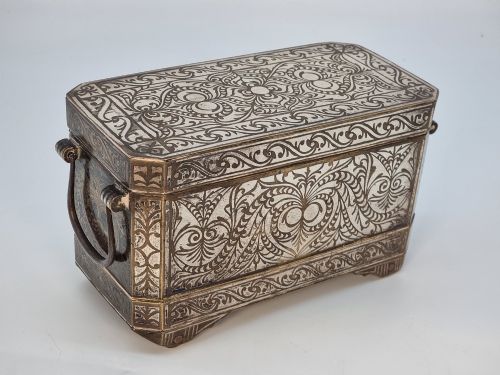
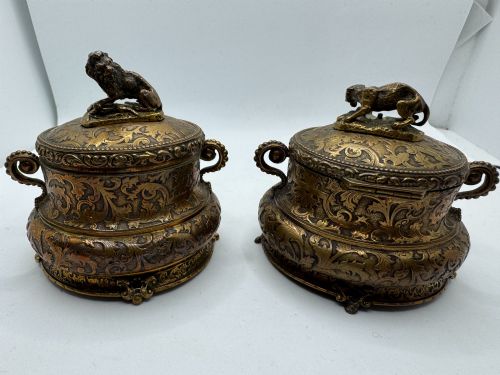
When searching for a brass and bronze box, collectors encounter a diverse group of containers originating primarily from the nineteenth century. These items include jewellery boxes, decorative caskets, and small snuff boxes.
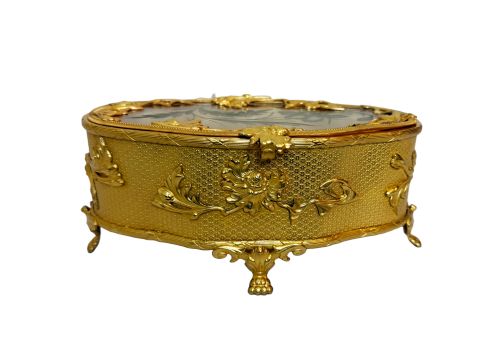
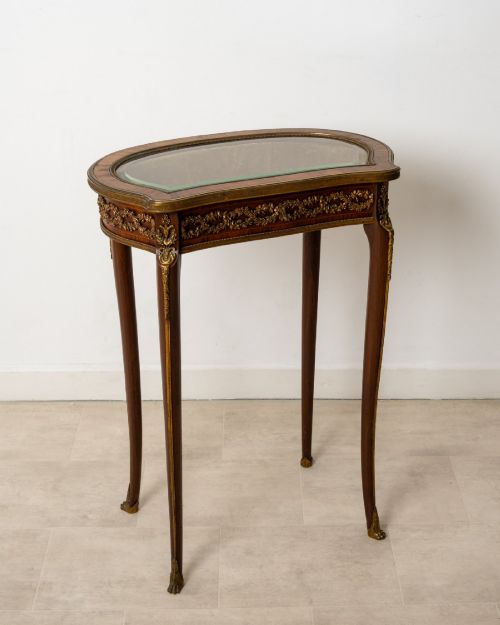
French pieces featuring ormolu and gilt bronze mounts appear frequently alongside English examples. Makers utilised various forms, from simple desk containers to elaborate vitrine display tables.
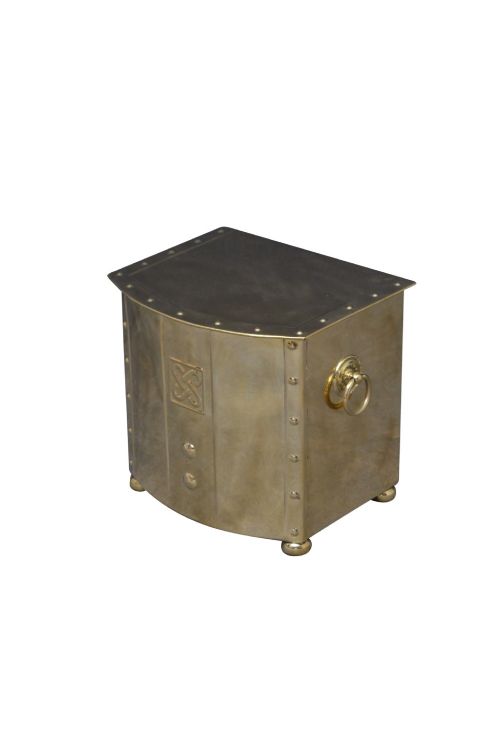
The selection ranges from Victorian designs and Art Nouveau organic lines to earlier Regency strong boxes. Each object demonstrates the practical use of mixed metalwork for domestic storage.
Materials and construction methods
Craftsmen built these containers using solid brass, bronze, and ormolu, frequently combining them with timber carcases like kingwood, mahogany, and rosewood. Glass panels feature heavily in display boxes and vitrines.
Gilding techniques applied gold to bronze and brass surfaces to create rich finishes, whilst interior linings utilised silk or velvet. Structural mounts and hinges received careful hand-finishing.
Brass and Bronze Box Retail Price Guide 2026
Typical asking prices for brass and bronze box among the pieces listed under this phrase on Sellingantiques today, from the lower quarter to the upper quarter. They describe what is for sale here now, not the wider market.
Distinctions in craftsmanship
Superior examples display crisp chasing on the bronze and ormolu mounts, where fine details remain sharp and well-defined. Heavier castings and tight joints indicate superior workshop production.
The integration of secondary materials, such as bevelled glass panels and choice hardwood veneers, separates standard containers from finer display pieces. Original linings and working locks also elevate a piece.
The Brass and Bronze Box Glossary
- Ormolu
- Gilded bronze, usually produced by applying a mercury-gold amalgam to a bronze base. This technique creates a rich golden surface finish popular in French decorative arts.
- Bijouterie table
- A glass-topped display table designed specifically for small valuable items and jewellery. These pieces often feature extensive gilt bronze mounts.
- Gorge case
- A specific stepped brass or bronze clock case style with hinged handles often found on carriage clocks. The design provides structural strength while maintaining elegance.
- Kingwood
- A dense, heavily figured exotic timber native to Brazil, prized for marquetry and cabinetwork. It appears frequently on French nineteenth-century furniture and caskets.
- Bevelled glass
- Glass panes with angled edges cut and polished to catch the light. This treatment adds depth and refinement to display boxes and vitrines.
Brass and Bronze Box: Frequently Asked Questions
What were these boxes used for?
These containers served practical domestic purposes, holding jewellery, letters, visiting cards, or snuff in secure style. Wealthy households placed them on desks, dressing tables, and drawing-room surfaces.
Smaller snuff boxes travelled in pockets, while large caskets and vitrine tables remained stationary in formal reception rooms to display precious small possessions.
How do I date a bronze box?
Dating relies on stylistic clues, manufacturing techniques, and material combinations seen across the piece. Nineteenth-century examples often exhibit distinct periods like Regency, Victorian, or Art Nouveau.
Examining the fixings, hinge types, and cast mounts helps determine whether a box belongs to the early eighteen-hundreds or the later Victorian decades.
Are interiors usually original?
Interiors of nineteenth-century caskets frequently show wear from active use, leading to period or later replacement linings. Silk, velvet, and paper linings absorb handling over generations.
Original linings remain desirable to collectors, but clean replacement fabrics are common and do not diminish the decorative value of the metalwork.
How should I clean bronze mounts?
Bronze and brass mounts require gentle dusting with a soft dry cloth to prevent the accumulation of grit and dirt. Aggressive metal polishes strip original patination and gilding.
Preserving the stable surface film built up over decades maintains the visual character and historical integrity of the metal.