



Brass and Bronze Birds
Brass and bronze birds are sculptural metalwork and decorative objects bringing avian forms into interiors across numerous periods.
Brass and Bronze Birds
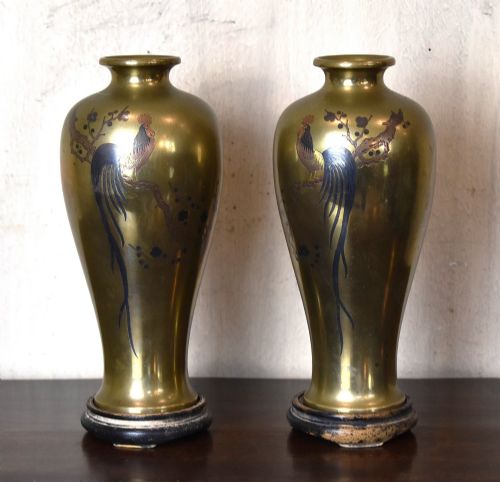
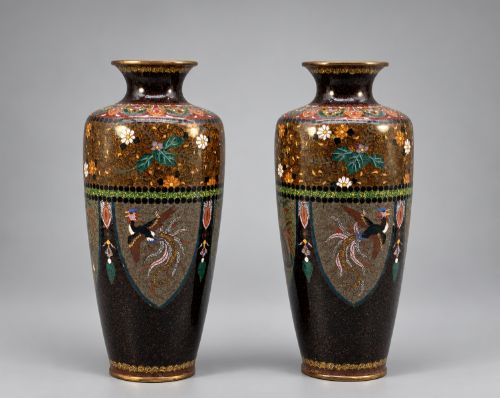
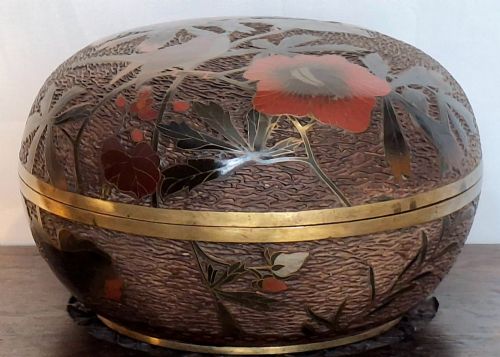
Brass and bronze birds encompass sculptural figures, mantel clocks, inkwells and cloisonné vessels spanning the nineteenth and twentieth centuries. These pieces cross diverse origins, including Japanese Meiji and Chinese Qing works alongside European revival and Art Deco designs.
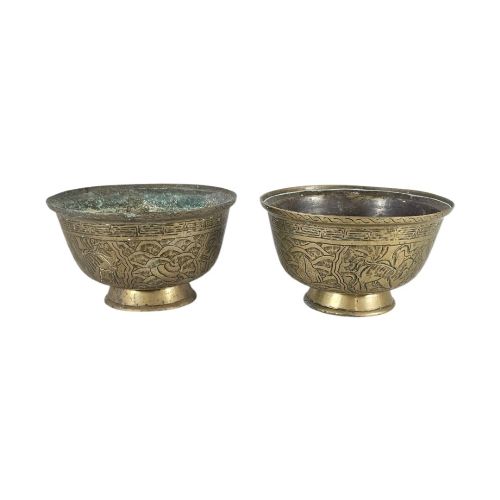
The objects on this page frequently appear as pairs of cranes, pheasants or doves incorporated into vases, bowls, and candelabra. Figures range from small desk ornaments to heavy mantel clocks and large decorative vessels.
How they were made
Makers utilised cast bronze, brass, and ormolu, often enriching surfaces with cloisonné enamel, glass, and gilding. Metal casting formed the structural body of these birds, while detailed chasing and enamel work defined feathers and plumage.
Combinations of materials appear regularly, pairing metal castings with porcelain, cut crystal, and glass eyes to create textured decorative objects.
Brass and Bronze Birds Retail Price Guide 2026
Typical asking prices for brass and bronze birds among the pieces listed under this phrase on Sellingantiques today, from the lower quarter to the upper quarter. They describe what is for sale here now, not the wider market.
Listings feature items spanning the Victorian era, Regency period, and Art Deco movement, utilising bronze, brass, enamel, and glass.
What varies in quality
Quality rests in the crispness of the casting and the precision of the surface decoration, whether in the fine wirework of cloisonné enamel or the hand-chased detail of gilt bronze feathers. Superior examples demonstrate attentive finishing across every visible surface.
The weight of the metal and the integration of secondary materials like glass or porcelain distinguish standard production items from more ambitious sculptural works.
The Brass and Bronze Birds Glossary
- Ormolu
- Gilded bronze, typically applied to decorative mounts, clock cases, and candelabra during the eighteenth and nineteenth centuries. This technique involved coating metal with a mercury-gold amalgam.
- Cloisonné
- An enamelwork technique where thin metal wires form raised barriers on a metal surface to contain coloured enamel pastes. Cells are filled and fired multiple times before polishing.
- Meiji Period
- A Japanese historical era spanning from eighteen sixty-eight to nineteen twelve, known internationally for exceptional metalwork, cloisonné enamel, and ceramic export pieces.
- Fusee
- A conical pulley used in clock movements to maintain even driving force as the mainspring unwinds. This mechanism appears in better quality period timepieces.
Brass and Bronze Birds: Frequently Asked Questions
What are brass and bronze birds?
They are decorative metal objects shaped as avian forms, functioning as standalone sculptures, inkwells, clock ornaments, or vessel decorations.
Items range from Japanese cloisonné vases featuring phoenixes to European cast bronze pheasants, pelicans, and doves.
How were these metal birds used?
Many served as decorative desk accessories, such as inkwells with figural bird lids, or formed part of functional timepieces and candelabra.
Others functioned purely as decorative sculptures displayed on mantelpieces or cabinets within period interiors.
How do I identify the period?
Dating relies on stylistic markers associated with specific eras, such as Art Deco geometric lines, Meiji period cloisonné techniques, or Victorian revival details.
Materials and manufacturing methods, including ormolu gilding and fusee clock movements, also indicate the era of production.
Where do these pieces originate?
The selection includes items from British, French, Spanish, and Asian workshops, reflecting diverse regional metalworking traditions.
Chinese and Japanese export pieces sit alongside European mantel clocks and desk sculptures from the nineteenth and twentieth centuries.