

Botanical Study Artwork
Botanical study artwork captures the meticulous observation of nature through various mediums, offering collectors a direct link to historical natural history illustration and floral painting.
Botanical Study Artwork
Botanical study artwork encompasses detailed depictions of plants, flowers, and birds created across multiple centuries and artistic traditions. These pieces range from precise scientific illustrations and natural history plates to expressive still-life paintings.
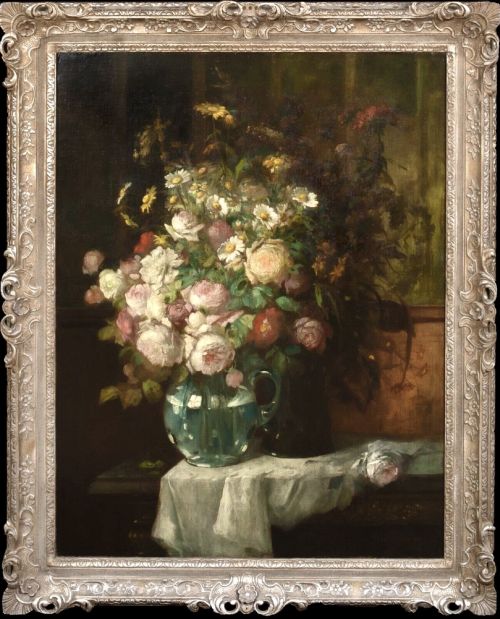
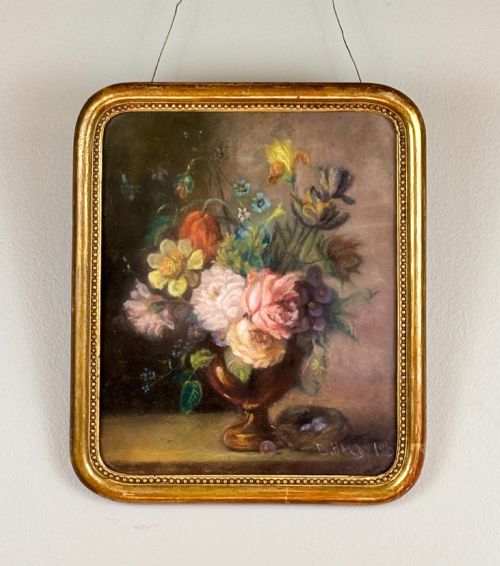
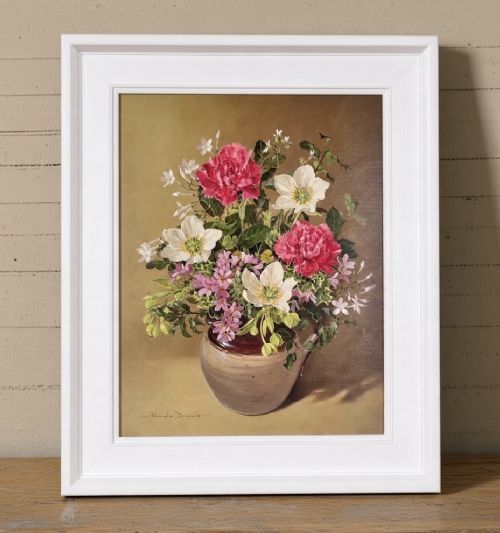
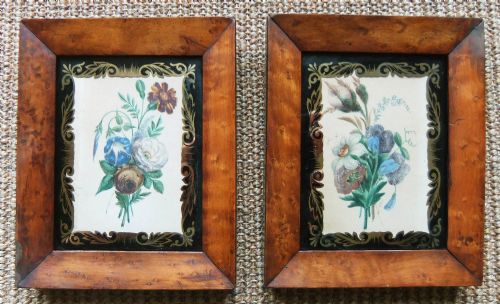
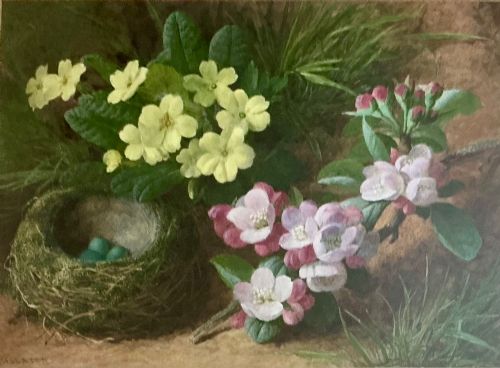
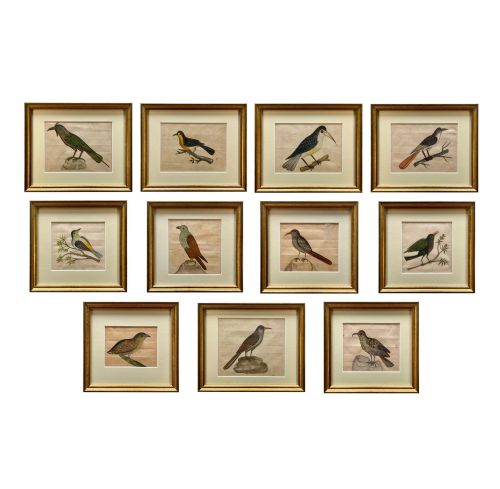
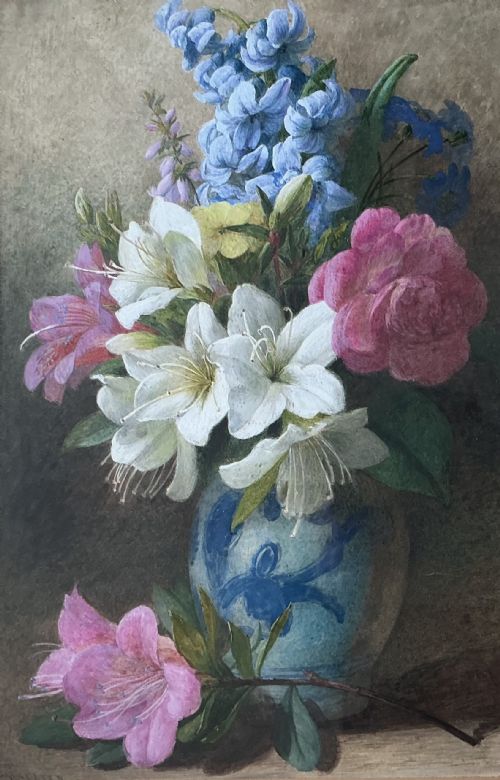
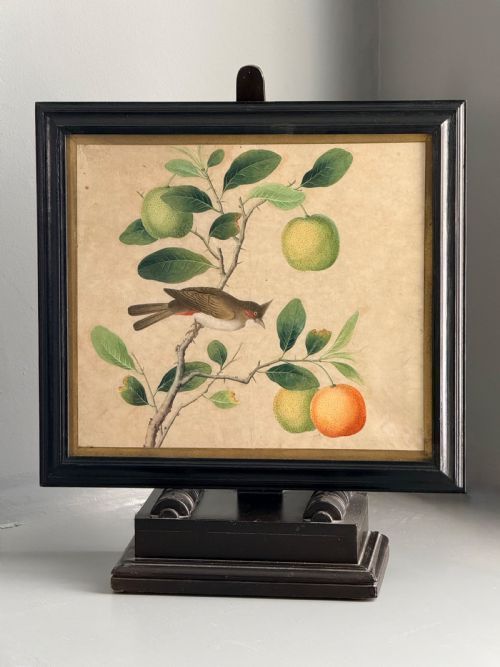
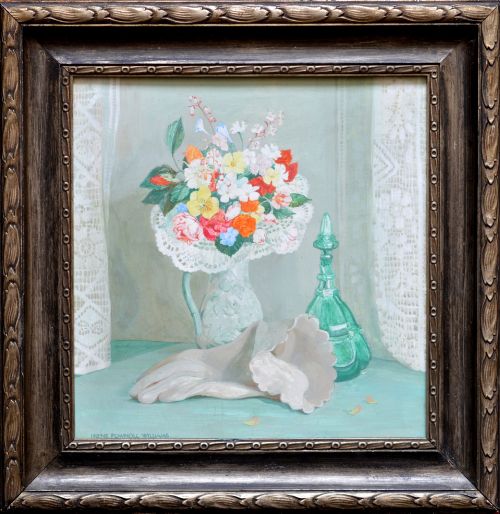
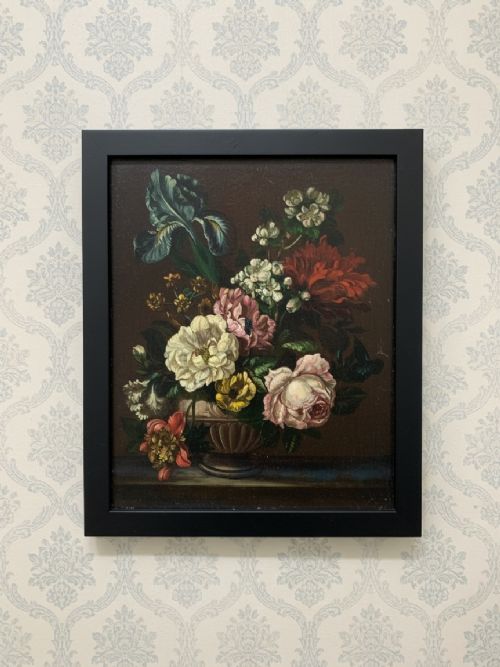
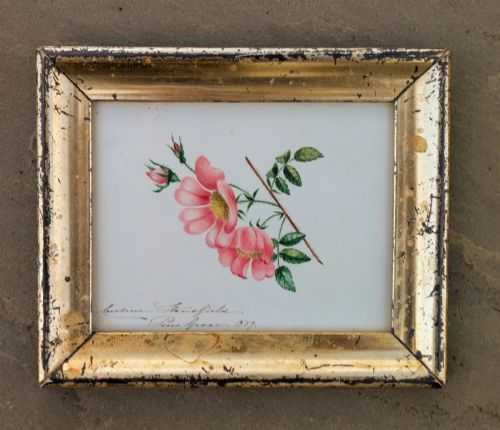
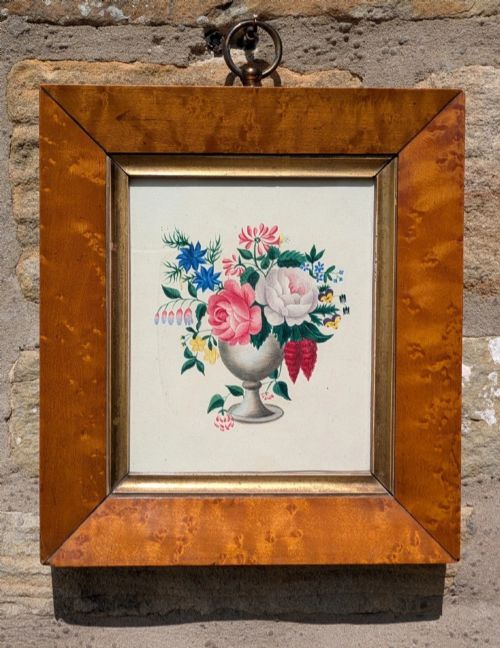
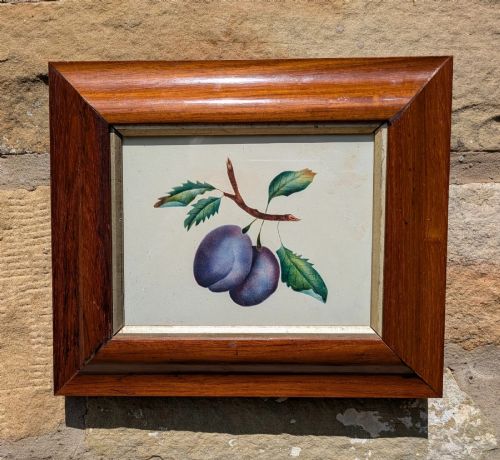
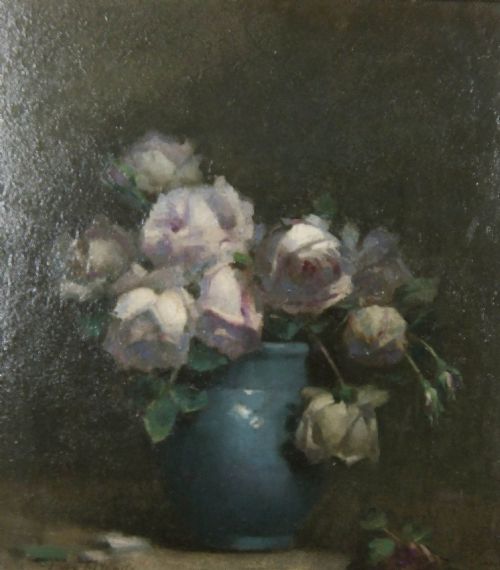
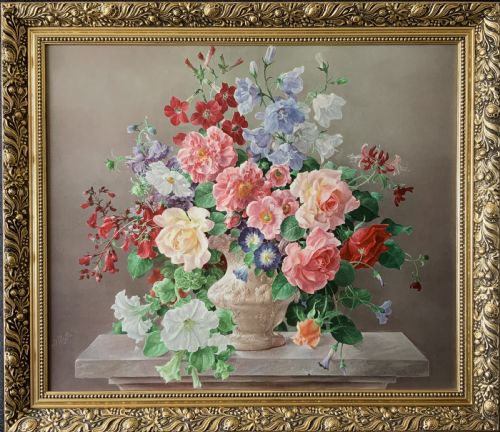
The selection on this page relies heavily on nineteenth-century watercolours and pastels, alongside twentieth-century oil paintings and period prints. Common subjects include roses, lilies, and specific bird species rendered with careful attention to botanical accuracy.
How They Were Made
Artists utilised traditional supports such as paper, canvas, panel, and pith paper to execute these works. Pigments included watercolour, gouache, oil paint, tempera, and pastel, often combined with delicate pencil underdrawings.
Print formats such as lithographs and engravings allowed natural history studies to be widely distributed. Framing frequently involved period wood mouldings, including rosewood and gilt finishes.
Botanical Study Artwork Retail Price Guide 2026
Typical asking prices for botanical study artwork among the pieces listed under this phrase on Sellingantiques today, from the lower quarter to the upper quarter. They describe what is for sale here now, not the wider market.
Listings feature works spanning from the eighteenth century through the mid twentieth century, employing watercolour, oil, pastel, and gouache.
What Varies in Quality
Quality rests upon the precision of the draughtsmanship and the artist's ability to capture the natural structure of the subject. Finer examples display superior handling of colour blending and light, particularly in petal textures and foliage.
Condition of the paper support and pigments significantly influences the integrity of the piece. Works that retain their original vibrancy without excessive fading or foxing represent the upper tier of the range.
William Thomas Wood·Sir Matthew Smith·John Curtis·William Andrews Nesfield·Pierre Joseph Redoute
The Botanical Study Artwork Glossary
- Watercolour
- A paint consisting of pigment suspended in a water-based solution, traditionally applied to paper to achieve translucent colour washes.
- Gouache
- An opaque water-based paint that includes a white pigment filler, creating a heavier and more solid colour effect than standard watercolour.
- Pith paper
- A delicate material formed from the pith of the Tetrapanax papyrifer plant, historically used in China for detailed gouache and watercolour paintings.
- Oleograph
- A mechanical colour lithograph printed on canvas to simulate the appearance of an oil painting.
Botanical Study Artwork: Frequently Asked Questions
How do I date an old botanical painting?
Dating relies on examining the paper type, watermark, framing materials, and the style of the signature or handwriting on the reverse. Period aesthetics and costume or printing techniques also provide reliable chronological markers.
Comparing the pigment characteristics with known historical palettes helps narrow the decade of creation.
Are these pieces original or prints?
The selection includes both original hand-painted works, such as watercolours and oils, and period printed matter like lithographs and engravings. Close inspection under magnification reveals whether pigment sits on the surface or forms a printed dot matrix.
Hand-painted studies show brushstrokes and pencil guidelines absent in mechanical reproductions.
How should I frame and display paper works?
Works on paper require conservation mounting using acid-free materials to prevent discolouration and degradation over time. Keeping the artwork away from direct sunlight preserves the fugitive pigments often used in floral watercolours.
Glazing with UV-filtering glass further protects delicate watercolours and pastels from environmental damage.
What subjects are most common in these studies?
Floral studies dominate the category, featuring roses, lilies, chrysanthemums, and azaleas arranged in natural settings or simple vessels. Ornithological subjects depicting specific birds alongside flora also appear frequently in the selection.
Artists often focused on accurate representations of seasonal blooms and specimen plants.