
Botanical Still Life
Botanical still life oil paintings and watercolours capture nature indoors, offering lasting colour and quiet detail that elevate any interior wall.
Botanical Still Life
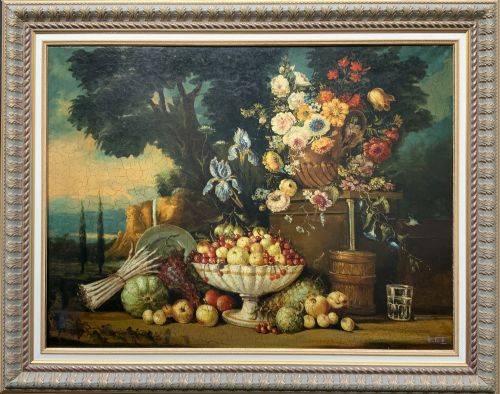
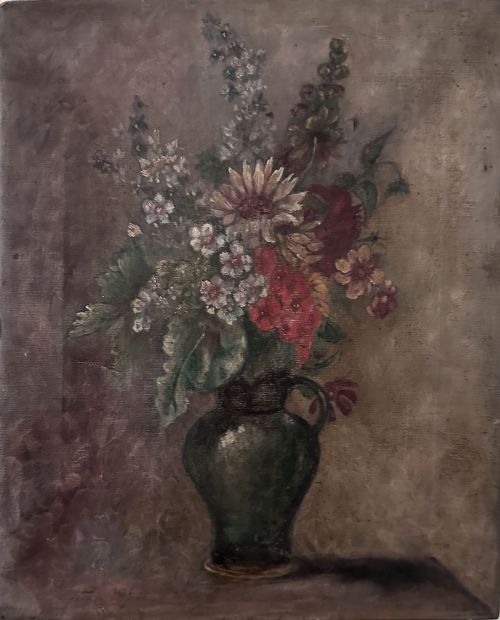
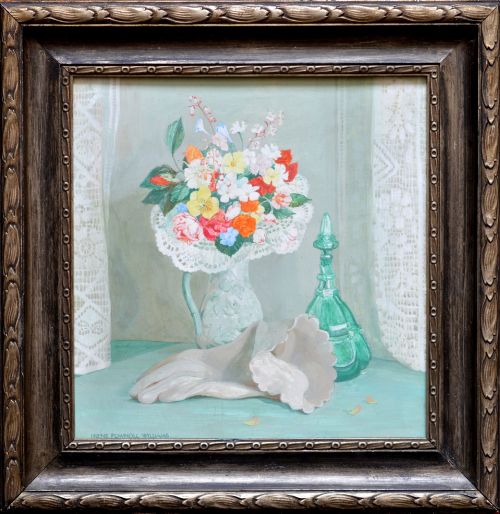
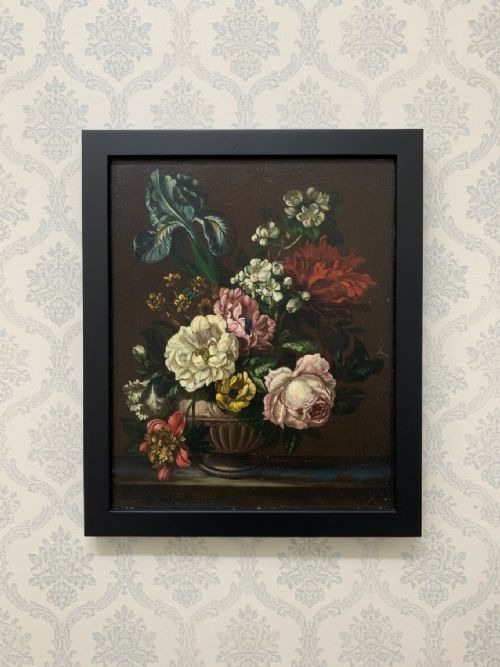
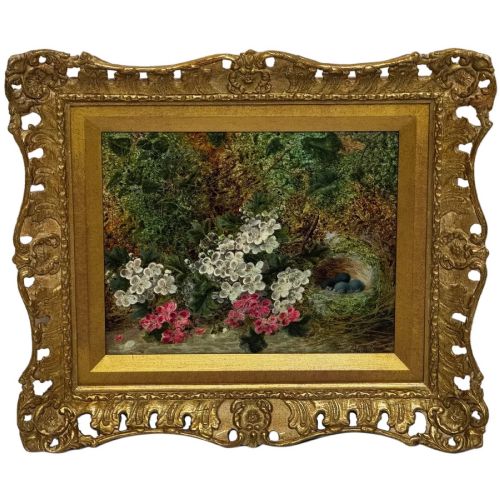
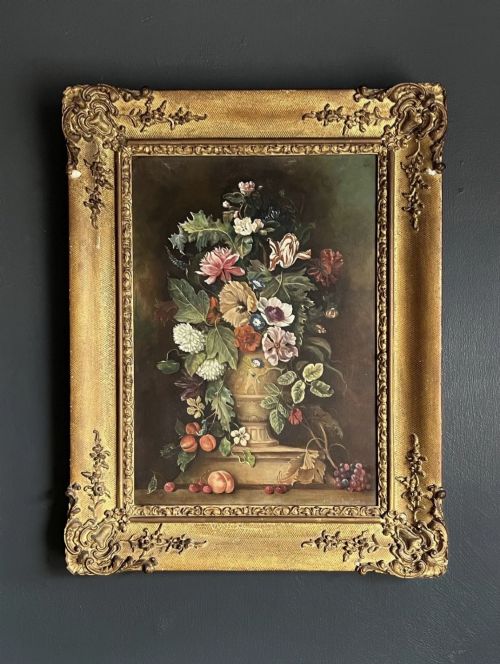
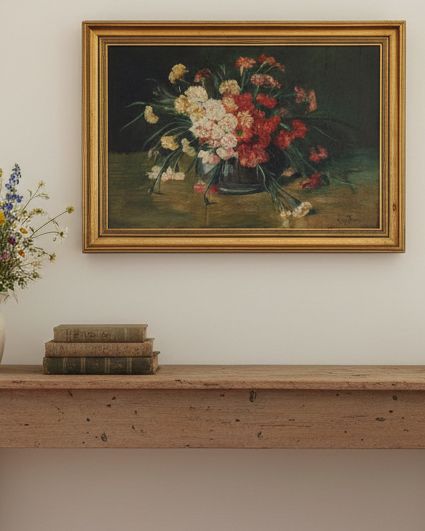
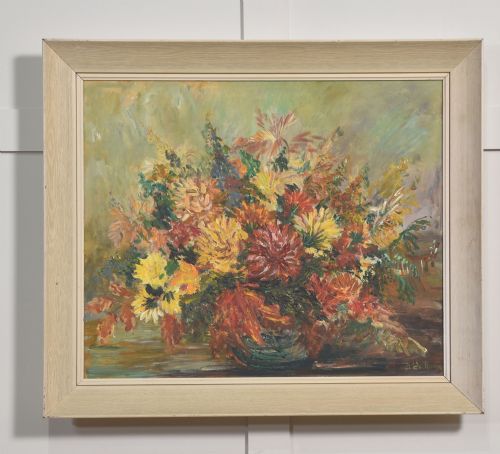
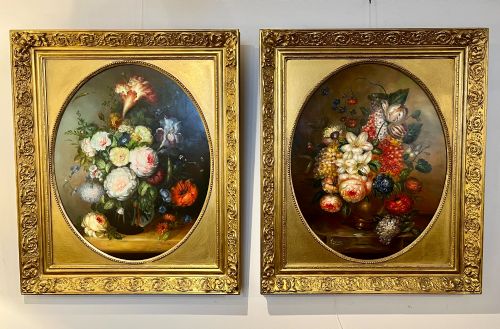
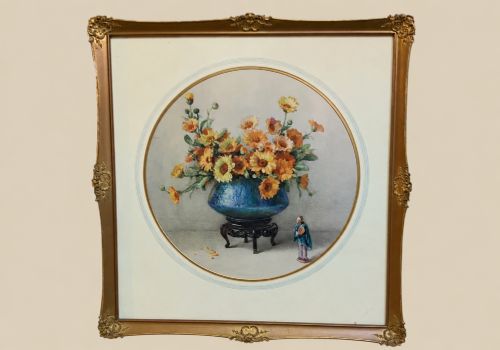
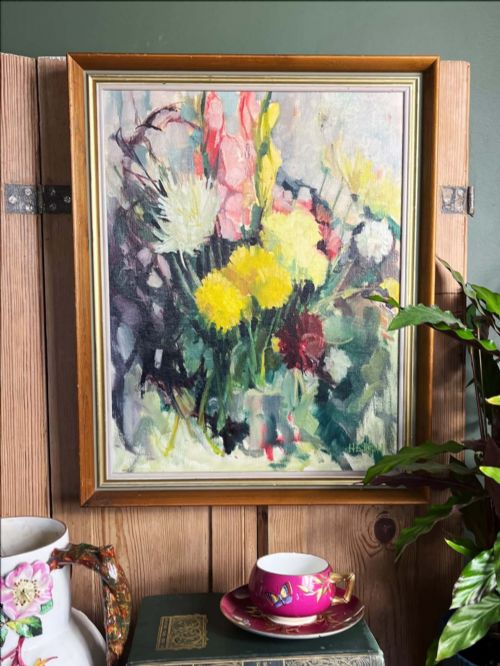
A botanical still life brings together carefully arranged flowers, fruit, and foliage, often rendered in oil paint on canvas or board, alongside watercolours on paper. The selection spans centuries of artistic practice, from seventeenth-century Dutch compositions to mid-century impressionist interpretations.
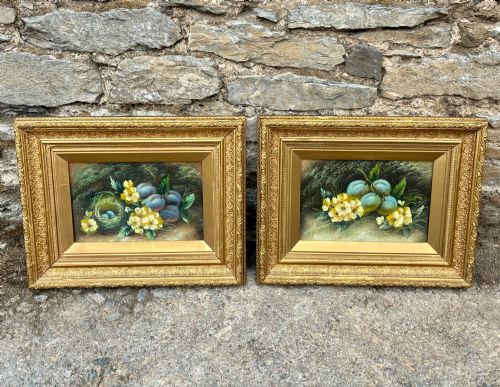
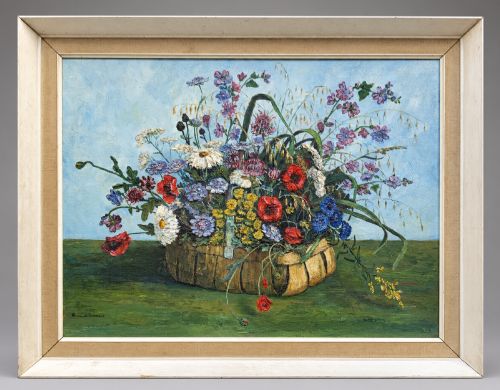
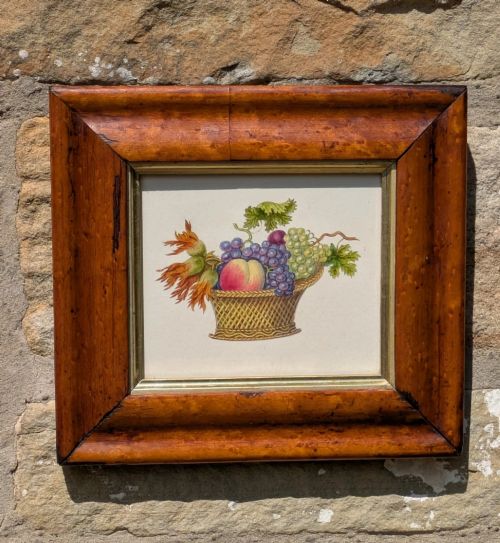
Most pieces encountered on this page date from the nineteenth and twentieth centuries, featuring framed oil paintings and watercolours of varying proportions. Subjects range from simple vases of summer flowers and wicker baskets overflowing with fruit to intricate studies of individual blossoms.
The tradition encompasses several distinct regional styles, including British, Austrian, and American impressionism, alongside works influenced by Flemish baroque and Dutch golden age traditions. These paintings provide a direct link to historical domestic interiors and botanical illustration.
Materials and construction
Artists painted these subjects primarily with oil paint on canvas, wood panels, or paper boards, while watercolours and gouache appear frequently on paper supports. Canvas stretched over wooden frames or applied to board provided a stable surface for building rich layers of pigment.
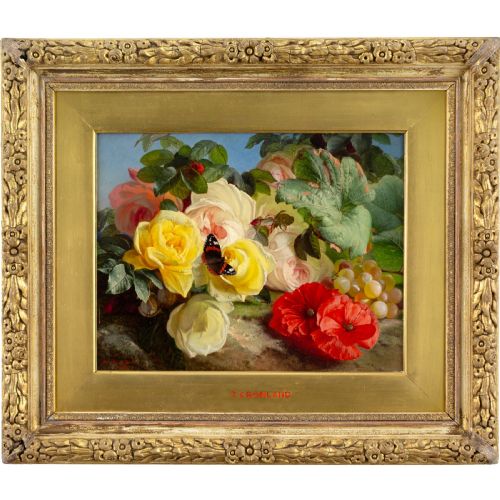
Gilded wood and gesso frames form an integral part of many pieces, often decorated with ornate moulding that complements the painted subject. Gold leaf accents and period frames enhance the visual weight and preserve the edges of the canvas or paper.
Listings span periods from the seventeenth century through to the mid-twentieth century, predominantly featuring oil paint and watercolour on canvas, wood, and paper.
Assessing quality and execution
Quality reveals itself in the handling of light, shadow, and texture, particularly in the rendering of petals, glass vessels, and woven baskets. Stronger pieces display confident brushwork and a convincing sense of depth, whereas lesser works rely on stiff outlines and flat colour application.
The integration of the artwork with its original frame plays a significant role in overall integrity. Hand-carved and gilded gesso frames that match the period of the painting elevate the piece far above those housed in later, generic replacements.
Oliver Clare·Edward Ladell·Gaspar Peeter Verbruggen·Emma Fordyce MacRae·James Tower·Konstantin Stoitzner·Owen Bowen·John Sherrin
The Botanical Still Life Glossary
- Gesso
- A plaster-like mixture applied to wood frames before gilding or painting. It provides a smooth surface for intricate moulding and gold leaf application.
- Gouache
- An opaque water-based paint that dries to a matte finish. It allows for vibrant colour blocks and precise botanical details on paper.
- Oleograph
- A mechanical colour print imitating an oil painting, popular in the nineteenth and twentieth centuries. It transfers ink onto canvas or textured paper to simulate brushstrokes.
- Panel
- A flat piece of wood used as a rigid painting support. Artists favoured panels for small, detailed works before canvas became widely adopted.
Botanical Still Life: Frequently Asked Questions
How do I date a botanical still life?
Dating relies on examining the stretcher frames, canvas type, and pigment composition alongside any signatures or dates inscribed by the artist. Stylistic shifts, such as the transition from rigid Victorian realism to looser twentieth-century impressionism, also offer clear chronological clues.
Framing provides additional evidence, as period gilt gesso frames often match the exact decade of the artwork they enclose. Comparing the subject matter to known historical periods helps narrow down the decade of creation.
Where were these paintings displayed historically?
Botanical paintings traditionally hung in dining rooms, drawing rooms, and formal parlours of country houses and town residences. They served to bring the colours of the garden indoors during winter months and displayed the owner's refined taste.
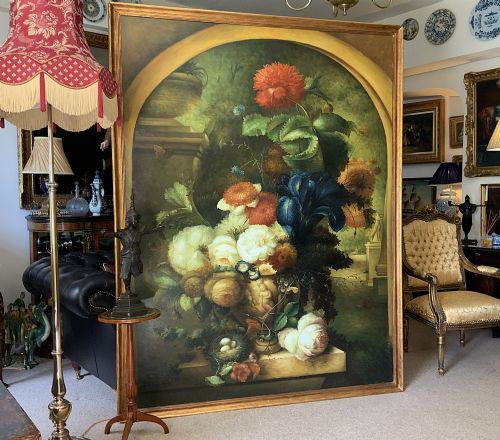
Smaller watercolours on paper often adorned intimate bedroom spaces or morning rooms. Larger canvases, such as monumental floral arrangements, anchored the walls of grand reception rooms.
How should I care for an oil on canvas?
Keep paintings away from direct sunlight, radiators, and damp environments to prevent the canvas from sagging and the oil paint from cracking. Dust the surface gently with a soft, dry brush without applying pressure to the pigment layers.
Avoid using water or chemical cleaners on either the canvas or the gilt frame. Professional conservators should handle any deep cleaning or repairs to the paint surface.