



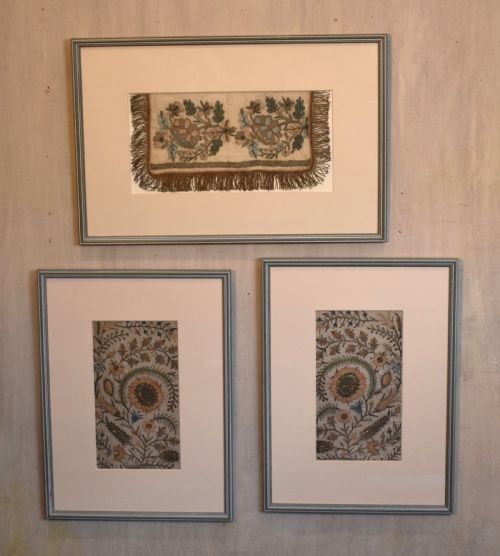
Botanical Silk Textile
These botanical silk textile pieces combine natural motifs and fine needlework, offering collectors centuries of hand-stitched artistry.
Botanical Silk Textile
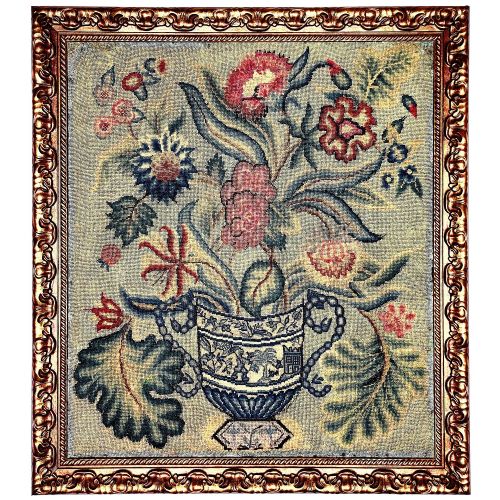
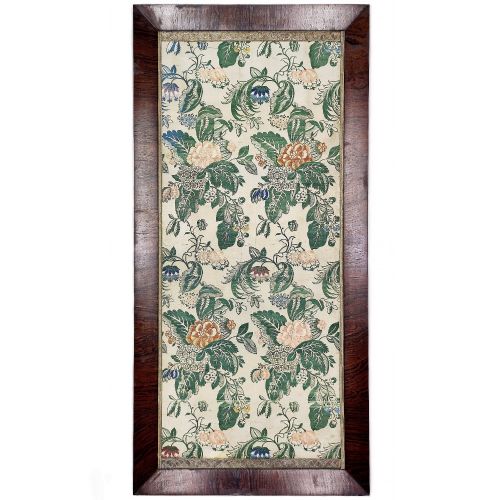
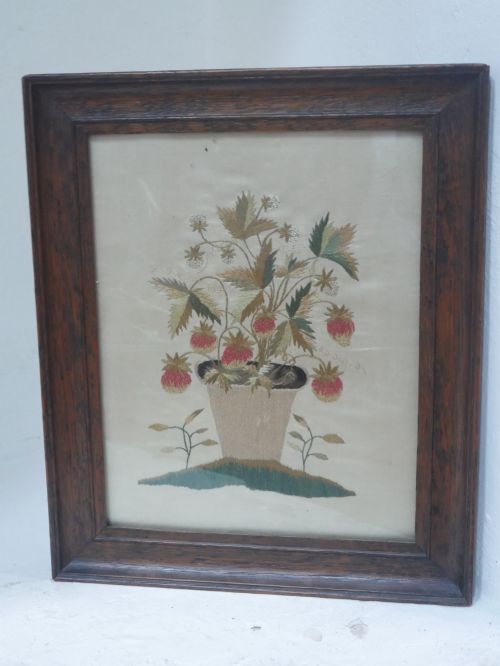
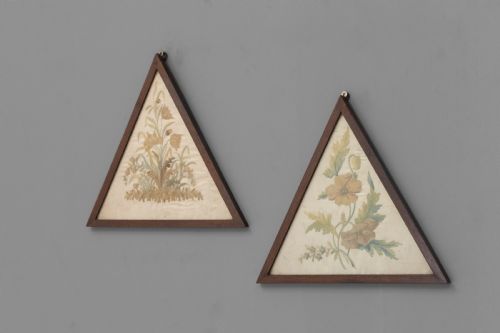
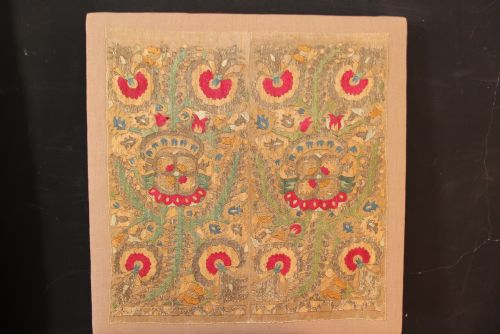
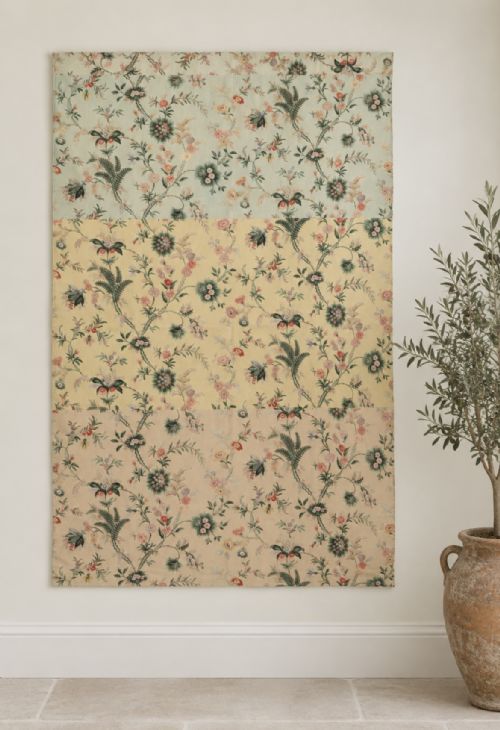
When you search for botanical silk textile, you encounter a diverse range of historic needlework, framed artworks, and wall tapestries spanning the seventeenth century to the twentieth century. These objects include English needlework pictures depicting flora, Greek folk art hand towel end panels, and Central Asian suzanis worked in silk on silk.
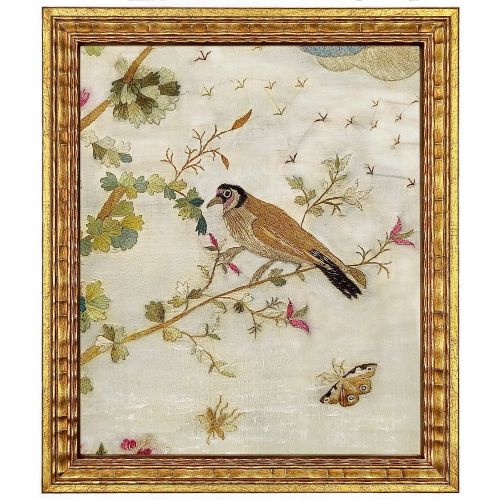
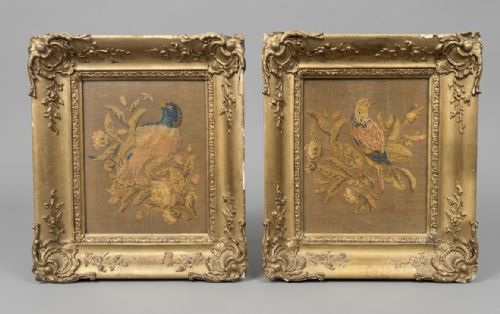
The most common versions met on this page are framed needlework pictures from the eighteenth century, alongside vibrant embroidered panels and bird studies housed in gilt wood frames. Pieces range from intimate domestic flora depictions to large Flemish verdure tapestries and expansive bed covers originating from Uzbek and Tajik traditions.
Originating across different regions, these textiles utilise materials such as silk, wool, linen, and metallic thread mounted on wood or framed behind glass. Each surviving item demonstrates distinct regional stitching techniques and stylistic preferences, connecting the domestic interior of past centuries with enduring botanical themes.
How they were made
Makers constructed these works using silk thread, wool, and metallic thread stitched onto ground fabrics such as linen, cotton, or additional silk layers. Artisans employed needlework and embroidery techniques, frequently incorporating fine counted threads or free-form stitching to render intricate floral motifs, garden birds, and foliage.
Many of these textiles are mounted within period frames constructed from wood, including gilt wood, or protected beneath glass. The integration of textile panels into framed wall art often involved securing the historic fabric over a supportive backing to preserve the structural integrity of the delicate fibres.
Botanical Silk Textile Retail Price Guide 2026
Typical asking prices for botanical silk textile among the pieces listed under this phrase on Sellingantiques today, from the lower quarter to the upper quarter. They describe what is for sale here now, not the wider market.
Materials documented across the pieces include silk, wool, linen, cotton, metallic thread, wood, gilt wood, and glass.
What varies in quality
The standard of execution in needlework and embroidery dictates the refinement of the botanical imagery, where dense, precise stitches create realistic depth and texture. Superior examples display careful shading within the silk threads, maintaining vivid pigmentation and structural stability across the entire composition.
Preservation of the original ground fabric and the integrity of the metallic thread or gilt wood framing significantly influence the overall condition. Pieces that retain their original scale without extensive modern restoration or fabric degradation represent the higher tier of surviving historic textiles.
The Botanical Silk Textile Glossary
- Suzani
- An embroidered Central Asian tribal hanging or bed cover typically worked in silk on a silk or cotton ground. These large textiles traditionally feature bold floral and botanical patterns.
- Verdure tapestry
- A wall tapestry dominated by botanical and landscape imagery, featuring foliage, trees, and garden birds. These large woven panels date primarily to the seventeenth and eighteenth centuries.
- Needlework picture
- A framed hand-stitched textile artwork designed specifically for wall display. They frequently employ silk threads to depict floral arrangements, landscapes, and birds.
- Gilt wood frame
- A wooden picture frame coated with a thin layer of gold leaf or gilt finish. These frames frequently accompany eighteenth and nineteenth-century needlework panels.
Botanical Silk Textile: Frequently Asked Questions
How were historic botanical textiles displayed in period interiors?
Historic botanical textiles were frequently framed behind glass as dedicated wall art or utilised as functional domestic items such as bed covers and decorative panels. Wealthy households mounted needlework pictures within gilt wood frames to adorn drawing rooms and parlours.
Larger verdure tapestries and suzanis served as substantial wall hangings that provided both insulation and visual richness to period interiors.
What materials are typical in these embroidered panels?
These works primarily utilise silk threads combined with wool, linen, and cotton grounds. Many examples incorporate metallic thread to add reflective highlights to the embroidered foliage and birds.
Backings and structural supports often involve wood and glass, particularly when the textiles are preserved as framed wall art.
How do you distinguish eighteenth-century needlework from later pieces?
Eighteenth-century needlework pictures often display specific stitching densities, subdued natural dye palettes, and characteristic subject matter such as structured floral urns and garden birds. The materials used, including hand-spun silks and aged linen grounds, differ visibly from twentieth-century revivals.
Examining the reverse of the panel and the construction of the wooden frame provides further clues regarding the period of origin.
How should fragile silk textiles be cared for at home?
Fragile silk textiles require protection from direct sunlight to prevent the fading of natural dyes and the degradation of delicate fibres. Keeping framed pieces away from excessive moisture and fluctuating temperatures helps preserve the integrity of the textile.
Professional mounting behind UV-filtering glass ensures that the silk and metallic threads remain supported without placing direct pressure on the historic fabric.