





Botanical Landscape Art
Botanical landscape art brings together natural plant life and outdoor scenery, offering detailed views of gardens, woodlands, and historic parks.
Botanical Landscape Art
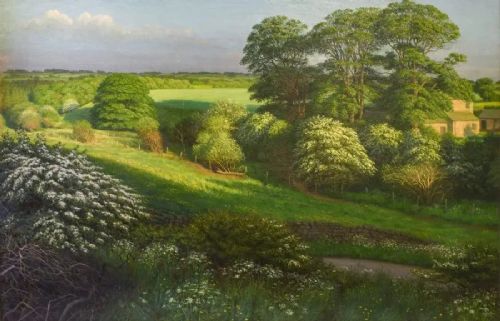
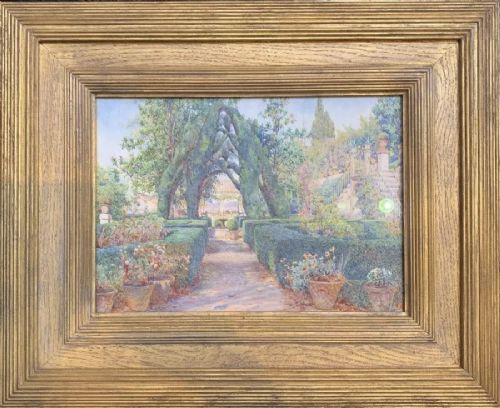
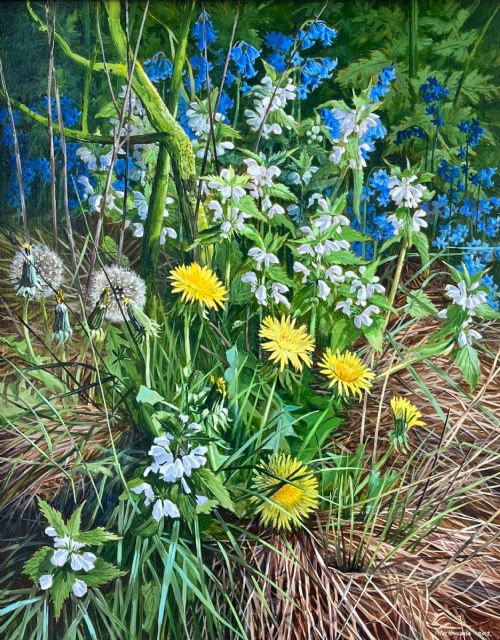
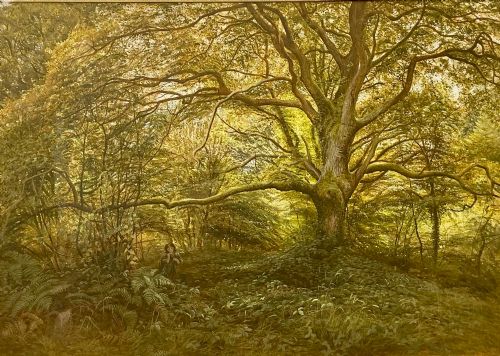
Botanical landscape art combines the study of plants with open-air scenery, focusing on gardens, woodlands, and floral displays set within wider environments. These works capture specific locations such as country house gardens, walled flower beds, and public parks during various seasonal blooms.
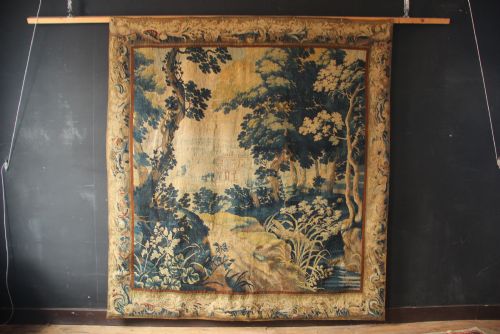
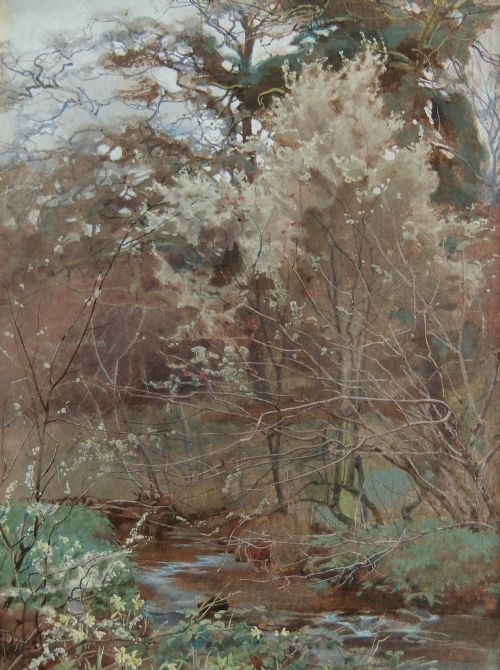
The pieces appearing on this page span several centuries and styles, though watercolour paintings dominate the selection alongside oil paintings and textile wall hangings. Examples range from Victorian watercolours of English gardens to later twentieth-century realism and continental verdure tapestries.
Makers and artists represented include named painters such as Lilian Stannard, Beatrice Parsons, and Ernest Arthur Rowe, alongside larger framed works and antique tapestries. Buyers encounter depictions of blackthorn blossoms, spring crocuses, woodland ways, and water lilies.
How they were made
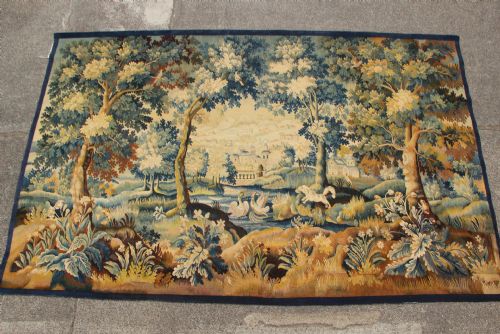
Artists created these works primarily using watercolour on paper or oil paint on canvas, applying pigments to capture the varied textures of foliage and petals. Mixed media works and textile pieces such as Aubusson and Flemish verdure tapestries also utilise woven threads to depict garden landscapes.
Framed watercolours and oils rely on traditional mounting and canvas stretching techniques, often housed behind glass within wooden frames to protect the delicate paper surfaces. Textile pieces employ large-scale weaving methods to construct intricate landscape scenes featuring trees, plants, and foliage.
Several watercolours record specific public spaces, including flower beds in St James's Park and the Palm House at Kew Gardens.
What varies in quality
The distinction between works rests on the artist's ability to render botanical detail alongside atmospheric depth within the landscape setting. Finer watercolours and oil paintings demonstrate precise brushwork in depicting individual flower species, foliage, and garden structures.
Materials and framing contribute to the overall presentation, with original antique frames and well-preserved paper or canvas surfaces maintaining the integrity of the composition. Larger textile pieces vary according to the intricacy of the weave and the preservation of the verdure imagery.
Raymond Booth·Ernest Arthur Rowe·Peter Newcombe·Bonomi Edward Warren·Harry Wanless·Lilian Stannard·Alfred W Parsons·Owen Bowen·Beatrice Parsons·Edgar Bundy·George Frederick Nicholls·Minnie Smythe
The Botanical Landscape Art Glossary
- Verdure tapestry
- A type of woven wall hanging featuring landscape scenery dominated by trees, plants, and foliage. These large textiles often originate from historical European workshops in centres such as Aubusson or Flanders.
- Watercolour painting
- A work created using water-soluble pigments applied to paper supports. This medium allows for transparent washes of colour that suit delicate botanical and garden subjects.
- Oil paint
- A slow-drying medium composed of pigments suspended in a drying oil, typically applied to canvas or wood panels. It permits rich colour saturation and layered textures in landscape compositions.
- Impressionism
- An art movement focusing on transient visual impressions, light effects, and open-air painting. Works in this style often employ visible brushstrokes to capture gardens and water lilies.
- Mixed media
- An artwork combining more than one medium or material on a single support. This approach merges different painting and drawing techniques within a floral garden scene.
Botanical Landscape Art: Frequently Asked Questions
What is botanical landscape art?
Botanical landscape art comprises paintings, watercolours, and tapestries that merge detailed studies of plants and flowers with outdoor scenery. These works typically depict gardens, woodlands, and parkland settings across various historical periods.
The selection includes framed watercolours by named artists alongside large woven tapestries and oil paintings on canvas.
How should I care for watercolour paintings?
Watercolour paintings require protection from direct sunlight to prevent the pigments and paper from fading over time. Displaying them in rooms with stable humidity levels helps preserve the paper support and framing.
Keeping the works behind glass shields the delicate painted surface from dust and atmospheric moisture.
What periods do these pieces date from?
The available pieces span multiple centuries, including seventeenth and eighteenth-century Flemish tapestries, nineteenth-century watercolours, and early twentieth-century British paintings. Later works extend beyond nineteen sixty into modern realisms.
Victorian and Edwardian eras are particularly well represented through garden watercolours and landscape studies.
Where were verdure tapestries made?
Verdure tapestries were produced in European weaving centres, notably in France and Flanders. Famous production towns such as Aubusson became renowned for large-scale textile landscapes.
These woven wall hangings typically feature dense foliage, trees, and garden vistas designed to decorate large interiors.