


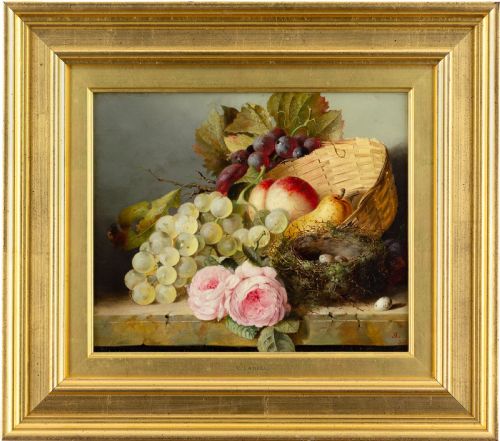


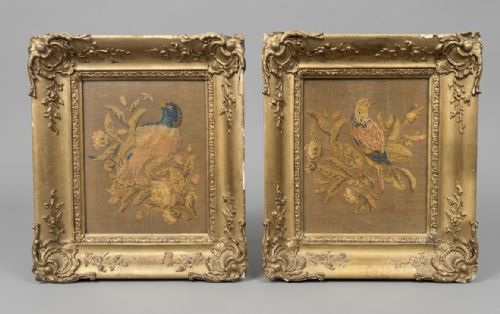


Botanical Bird Picture
A botanical bird picture brings the natural world inside through detailed studies of feathers and flora.
Botanical Bird Picture
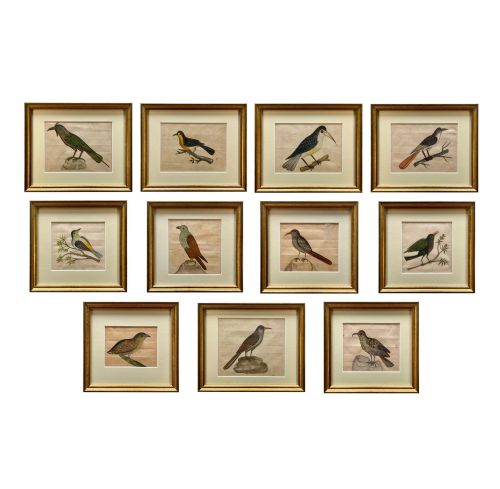
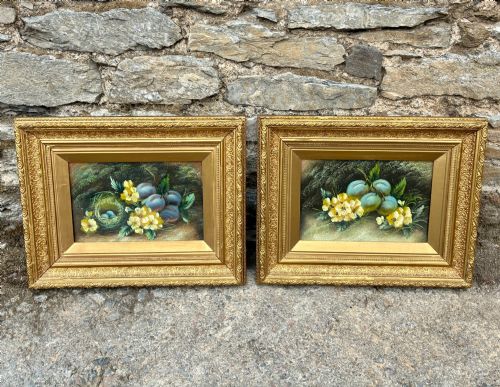
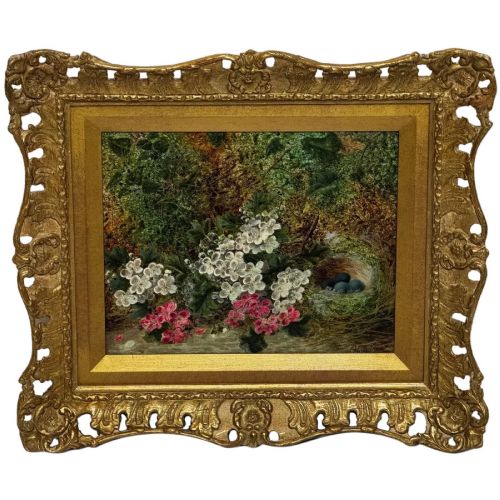
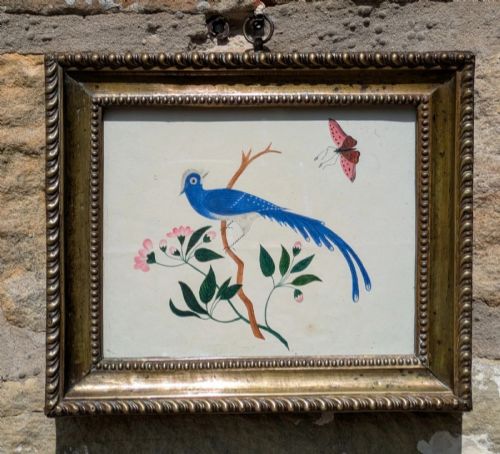
A botanical bird picture covers a range of framed works, including oil paintings, watercolours, lithographs, and needlework embroideries. These pieces depict birds alongside nests, fruit, blossoms, or garden scenes.
The selections available here span the nineteenth century into the early twentieth century, taking in Regency, Victorian, and Chinese styles. Framed artwork forms the primary offering, often presented in wood or gilt frames under glass.
Buyers frequently encounter ornithological studies and still life compositions that pair avian subjects with botanical elements. These items served as both scientific records and decorative interior adornments.
Materials and construction
Artists and makers utilised oil paint, watercolour, and printing inks on paper, board, and silk. Needlework examples employ silk threads stitched onto backing fabrics to create textured plumage and foliage.
Framing materials include wood and gold leaf, often finished with gilt to complement the artwork. Many surviving pieces incorporate protective glass to preserve fragile paper and textile surfaces.
Botanical Bird Picture Retail Price Guide 2026
Typical asking prices for botanical bird picture among the pieces listed under this phrase on Sellingantiques today, from the lower quarter to the upper quarter. They describe what is for sale here now, not the wider market.
Listings feature paper, silk, board, and glass across the nineteenth and early twentieth centuries.
Assessing quality
Quality rests upon the precision of the draughtsmanship and the naturalism of the bird and plant forms. Works by named artists or skilled embroiderers display superior handling of colour and anatomical detail.
The preservation of the paper, silk, or paint surface determines the visual impact of the piece. Intact original framing and clean, unbleached grounds elevate the standing of the work.
Oliver Clare·Edward Ladell·Eloise Harriet Stannard
The Botanical Bird Picture Glossary
- Lithograph
- A print produced by drawing an image on limestone or a metal plate with a greasy substance. This technique allowed for the creation of multi-coloured natural history prints.
- Ornithological study
- A scientific or artistic rendering of birds, often detailed for identification. These studies focus on accurate representation of plumage and species characteristics.
- Gilt frame
- A wooden frame coated with a thin layer of gold leaf or gold paint. Such frames provided a decorative and protective border for fine art and prints.
- Needlework
- A piece of decorative stitching or embroidery executed with thread on fabric. In this context, it depicts birds and botanical scenes using various stitch techniques.
Botanical Bird Picture: Frequently Asked Questions
What is a botanical bird picture?
A botanical bird picture is a framed artwork depicting avian subjects alongside plants, flowers, or nests. These pieces range from scientific lithographs to oil paintings and silk embroideries.
They function primarily as wall art, bringing historical natural history themes into domestic interiors.
How were these pictures framed?
Period pieces are typically housed in wooden frames, sometimes enhanced with gold leaf or gilt finishes. Glass is commonly used to protect fragile paper prints, watercolours, and silk needleworks.
Original frames contribute to the historical character of the artwork.
Are these pieces hand painted?
The selection includes a mixture of hand-painted oil paintings and watercolours alongside printed lithographs and hand-stitched embroideries. Each medium offers a distinct visual texture and method of execution.
Paintings and embroideries involve direct hand labour, while lithographs utilise historical printing techniques.
How do I care for antique bird art?
Protect paper, silk, and painted surfaces by hanging pieces away from direct sunlight to prevent fading. Maintaining stable room humidity prevents warping in wooden frames and damage to paper supports.
Using conservation glass during framing can offer additional protection against ultraviolet light.