





Bone Figure Carving
These bone figure carving pieces bring characterful sculpture and ritual objects into a room, offering distinct regional craftsmanship from several centuries of global production.
Bone Figure Carving
A bone figure carving brings together diverse sculptural forms, from animal studies and human figures to functional items like bookends and walking sticks. When exploring bone figure carving, buyers encounter objects spanning the eighteenth to the early twentieth century across multiple continents.
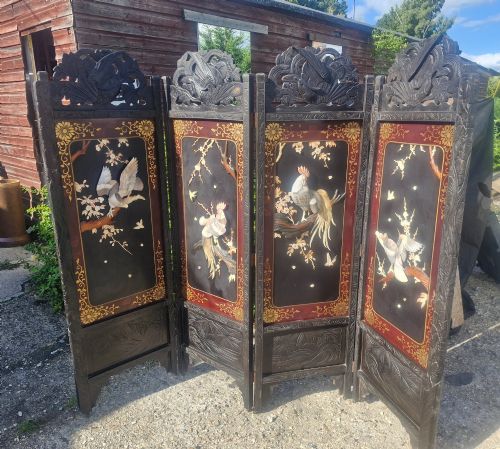
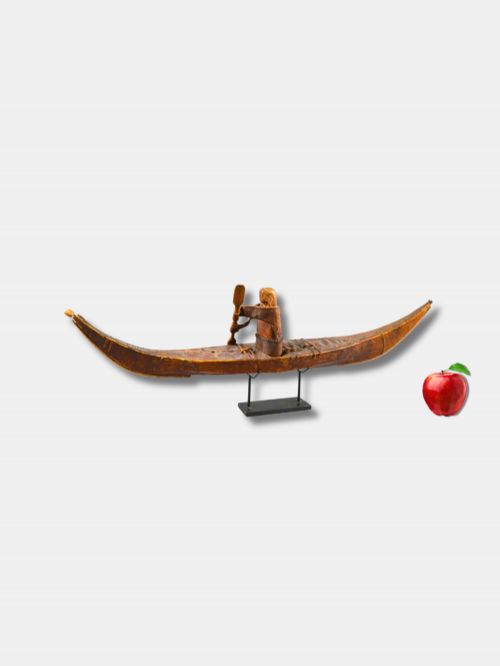
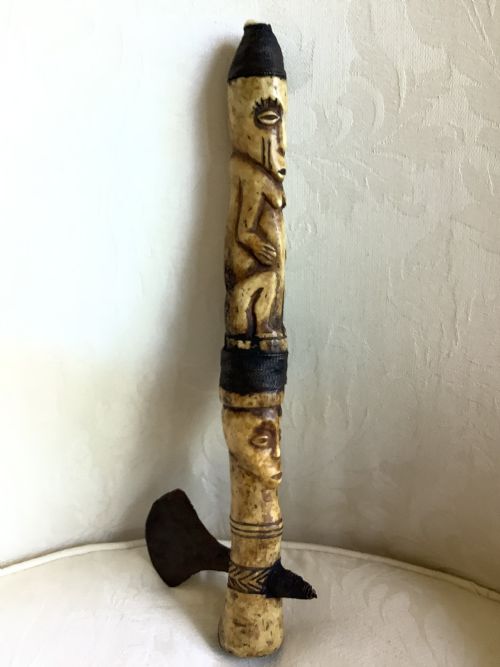
The selection on this page ranges from Japanese Meiji folding screens and Edwardian memento mori skeletons to Inuit whalebone statues and African tribal art. These pieces draw their identity from distinct cultural traditions, including Anglo-Indian colonial work and Tibetan pendant sculpture.
Makers utilised local fauna and native timber, resulting in works fashioned from whalebone, whale vertebrae, staghorn, and standard bone combined with hardwoods such as ebony. Such varied origins mean that forms vary widely, from ceremonial axes and kayaks to depictions of elephants and hippopotami.
Materials and construction
Articles are shaped directly from dense organic matter, relying principally on carved bone, whalebone, whale vertebrae, and staghorn. Artisans frequently paired these skeletal materials with contrasting supports like ebony, general hardwood, metal, and tanned seal skin.
Techniques range from deep surface carving on folding screens to intricate freestanding sculptural models and shamanic statues. Surface treatments also incorporate lacquer work and natural patination developed through age and handling.
Bone Figure Carving Retail Price Guide 2026
Typical asking prices for bone figure carving among the pieces listed under this phrase on Sellingantiques today, from the lower quarter to the upper quarter. They describe what is for sale here now, not the wider market.
The listings span the eighteenth to the twentieth centuries, featuring materials such as bone, staghorn, whalebone, ebony, and tanned seal skin.
Evaluating the pieces
Distinction across these works rests on the depth of the carving and the precision of the anatomical detail within the bone. Superior examples maintain crisp lines and expressive forms that remain clear despite the natural grain and density of the material.
The integrity of the supporting media, such as fitted hardwood bases or intact seal skin bindings, also influences the overall standard. Pieces that retain a rich, unforced patina and secure structural joints command greater attention from discerning collectors.
The Bone Figure Carving Glossary
- Patina
- The surface sheen and colour change developed over decades through handling, ageing, and environmental exposure.
- Tupilak
- An authentic Inuit bone or antler carving representing a mythical avenging spirit or shamanic creature.
- Memento Mori
- An artistic reminder of the inevitability of death, frequently expressed through skeletal figures or skulls.
- Whalebone
- Dense skeletal material derived from marine mammals, utilised extensively by northern indigenous carvers for substantial sculptures.
- Meiji
- The period of Japanese history spanning the late nineteenth and early twentieth centuries, known for intricate decorative arts.
Bone Figure Carving: Frequently Asked Questions
What are bone figure carvings?
These works comprise sculptural objects, small statues, and functional pieces fashioned from animal bone, whalebone, or staghorn by international artisans.
They reflect diverse cultural practices across the eighteenth, nineteenth, and early twentieth centuries, encompassing tribal art, colonial items, and Eastern decorative pieces.
How were these carvings used?
Many items served ceremonial or spiritual functions within their originating communities, such as Inuit shamanic statues and tribal axes.
Others functioned as decorative household accessories, folding room dividers, bookends, or personal talismans like carved pendants.
How should I live with bone carvings?
These organic sculptures require stable indoor humidity away from direct heat sources to prevent the bone from drying out or splitting.
Displaying them on secure shelves or within cabinets allows the detailed carving and natural patina to be appreciated safely.
How do I identify the period?
Dating relies on stylistic conventions associated with specific eras, such as Edwardian memento mori work or Japanese Meiji craftsmanship.
Material choices, tool marks, and the natural ageing of the bone and accompanying wood also provide reliable clues to the age of an object.