

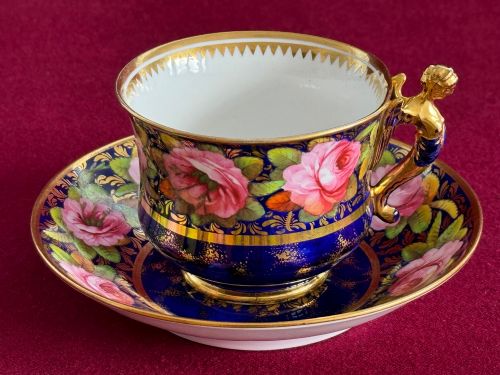
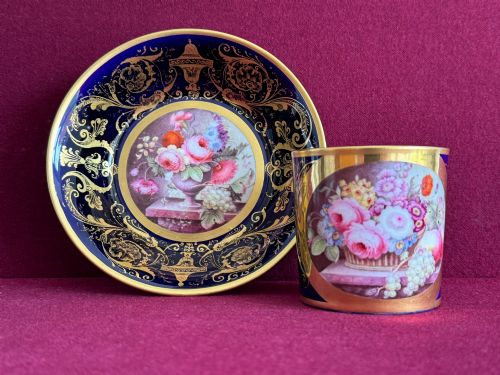
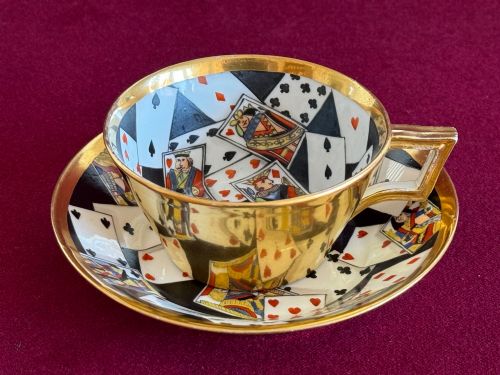
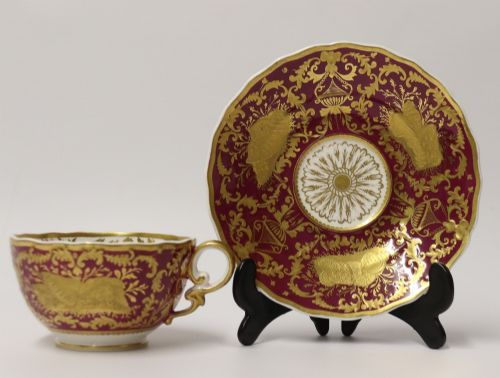
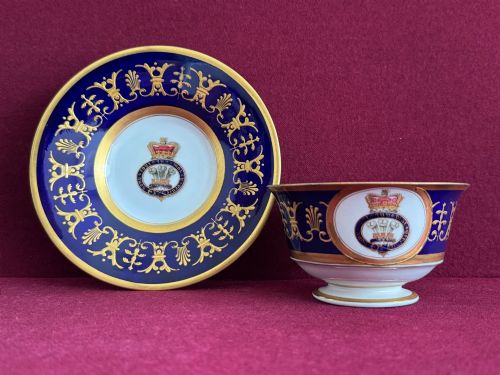
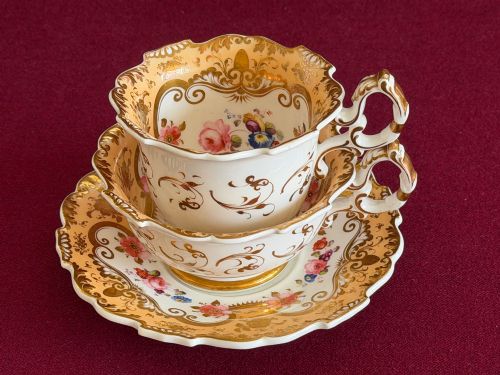
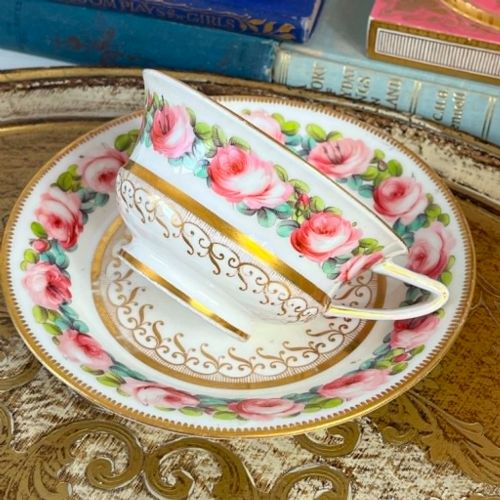
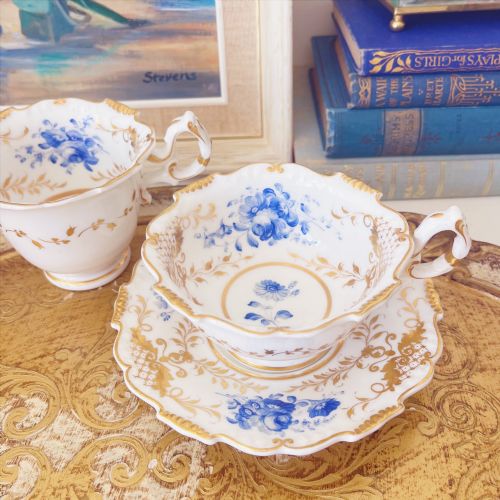
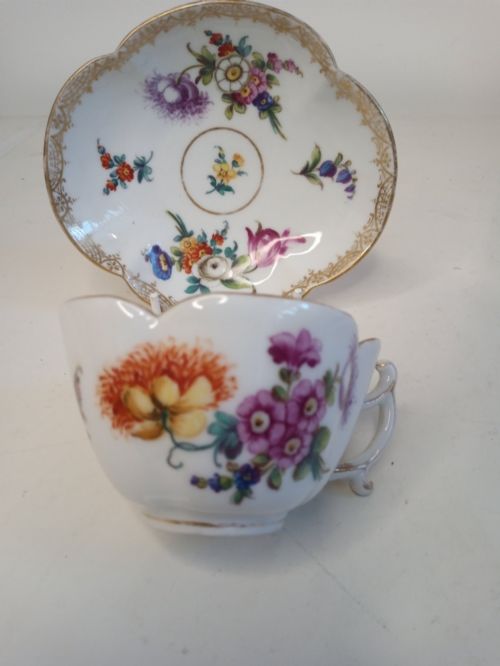


Bone China Saucer
A bone china saucer represents the height of ceramic artistry, offering collectors delicate craftsmanship and centuries of historic British dining tradition.
Bone China Saucer
A bone china saucer is a small concave dish designed to support a matching teacup, coffee cup, or demitasse. When searching this phrase, buyers encounter items ranging from single cabinet pieces to complete multi-piece afternoon tea services.
The selection here draws primarily from the Regency, Victorian, and Georgian eras, alongside early twentieth-century examples. These pieces appear as individual duos, trios with matching side plates, or components of larger tea and coffee sets.
Originating largely from esteemed English manufactories, these saucers reflect the changing domestic habits of past centuries. They demonstrate both formal dining requirements and the evolution of everyday porcelain production.
Materials and manufacture
The manufacture of these items relies upon fine porcelain body pastes enriched with bone ash, which yields a translucent and durable ceramic base. Potters shape this mixture either on a potter's wheel or via press-moulding before initial firing.
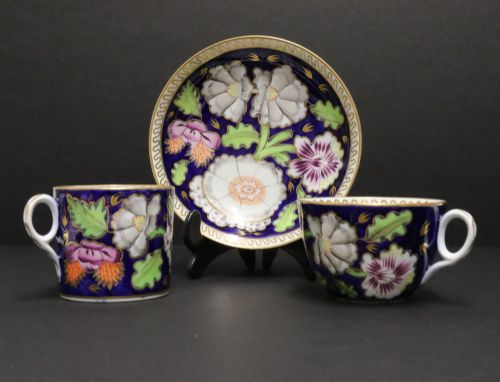
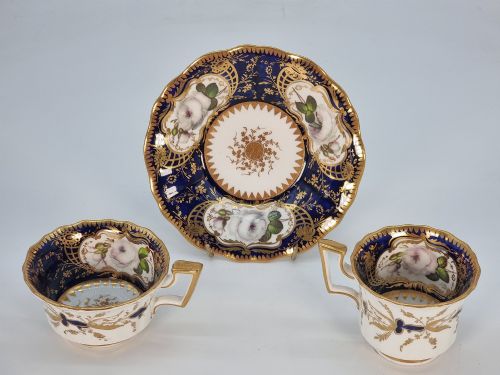
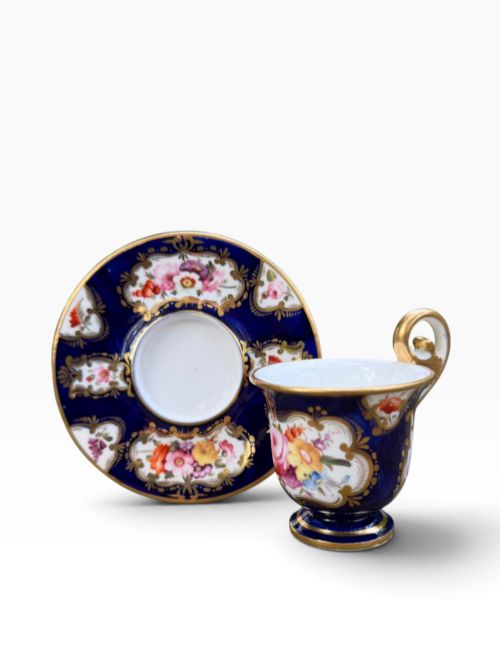
Surface decoration frequently combines hand-painted enamels with extensive gold leaf, gilding, and gold gilt accents. Artisans apply these pigments and metallic highlights before subsequent kiln firings to secure the colours permanently against the glaze.
Bone China Saucer Retail Price Guide 2026
Typical asking prices for bone china saucer among the pieces listed under this phrase on Sellingantiques today, from the lower quarter to the upper quarter. They describe what is for sale here now, not the wider market.
Listings feature porcelain pieces spanning the Georgian, Regency, Victorian, and Edwardian periods, utilising bone china and gold leaf.
Evaluating quality and execution
Quality in these ceramics rests upon the crispness of the porcelain body and the refinement of its translucency when held to the light. Superior examples display precise potting without warping from the kiln, ensuring a stable base for the matching cup.
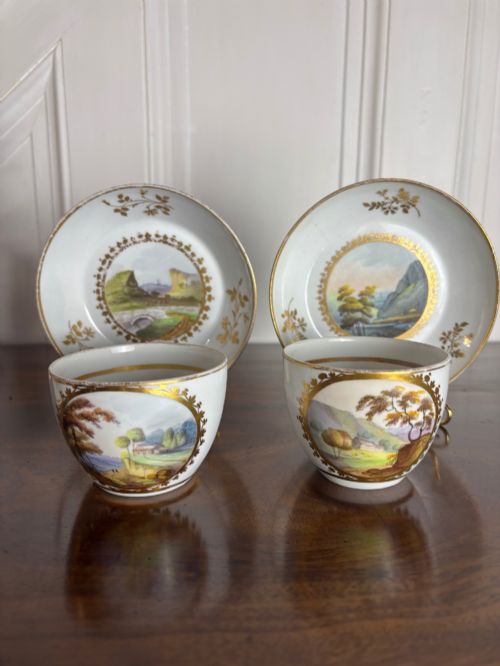
The level of artistic execution distinguishes standard utility wares from exhibition-grade cabinet pieces. Hand-painted botanical studies, landscapes, or intricate gilded borders executed by named decorators elevate the visual and historical significance of the object.
Spode·Barr and Barr·Minton·Coalport·Royal Worcester·Davenport
The Bone China Saucer Glossary
- Bone china
- A type of porcelain containing bone ash that provides high strength, chip resistance, and a distinctive milky translucency. It became a staple of British ceramic production during the Georgian and Regency periods.
- Demitasse
- A small cup and saucer used specifically for serving strong black coffee or espresso. These diminutive vessels often feature elaborate gilt decoration and vibrant enamel painting.
- Trio
- A matched set comprising a teacup, a saucer, and a corresponding tea plate for pastries or small cakes. Trios are frequently found in nineteenth-century and Edwardian tea services.
- Gilding
- The application of gold leaf or powdered gold to ceramic surfaces for decorative trim and highlights. This finish requires careful firing to bond securely with the underlying glaze.
- Enamel
- Opaque coloured glass pigments applied over the glazed porcelain surface to create detailed painted motifs. Artisans use multiple firings to fix different enamel colours in place.
Bone China Saucer: Frequently Asked Questions
Were these saucers used daily?
Many nineteenth-century examples served routine domestic functions within affluent households, accommodating morning tea or afternoon gatherings. Heavier wear on some pieces reflects this regular service at the dining table.
Conversely, cabinet specimens and intricately gilded items remained largely decorative. These delicate pieces were reserved for formal display or special social occasions rather than everyday use.
How can I identify the period?
Examine the ceramic body under a magnifying glass to assess the weight, translucency, and glaze characteristics. Early nineteenth-century pieces often exhibit distinctive potting marks and hand-painted pattern numbers underneath.
Manufacturer stamps and impressed ciphers also help narrow down the date of production. Comparing the decorative style, such as Regency neoclassical motifs or Victorian Imari patterns, provides further chronological context.
What is a cabinet saucer?
A cabinet saucer is an ornamental piece created primarily for display within a glass-fronted cabinet or vitrine. These items bypassed utilitarian dining duties to showcase the artistic skill of the factory.
They frequently feature elaborate hand-painted scenes, rich gilding, and unusual moulded handles. Collectors prized them as standalone works of ceramic art rather than functional tableware.