





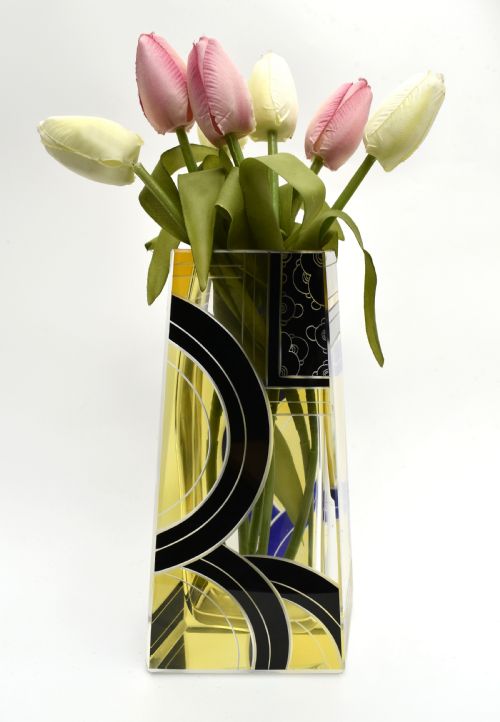
Bohemian Yellow Glass
Bohemian yellow glass brings remarkable colour and form to a room, ranging from early uranium dishes to striking Art Deco vessels.
Bohemian Yellow Glass
When you search for bohemian yellow glass, you encounter a striking range of vessels spanning the eighteenth, nineteenth, and twentieth centuries. These objects include vases, scent bottles, perfume bottles, table lamps, decanter sets, glass bowls and dishes, and drinksware.
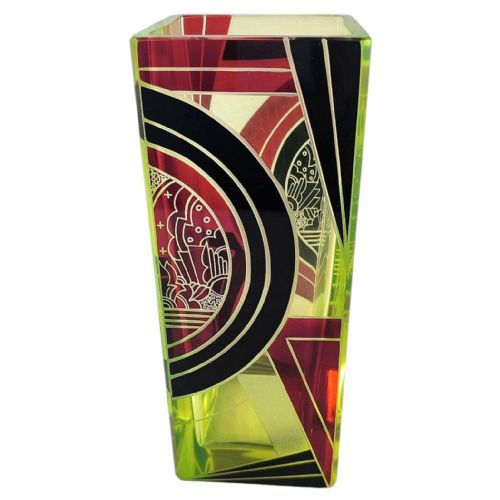
The pieces you are most likely to meet on this page hail from the Art Deco period, particularly works by designers such as Karl Palda, alongside earlier items from the Art Nouveau, Biedermeier, and nineteenth-century traditions.
How they were made
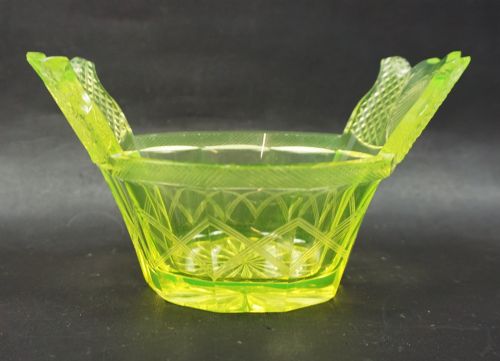
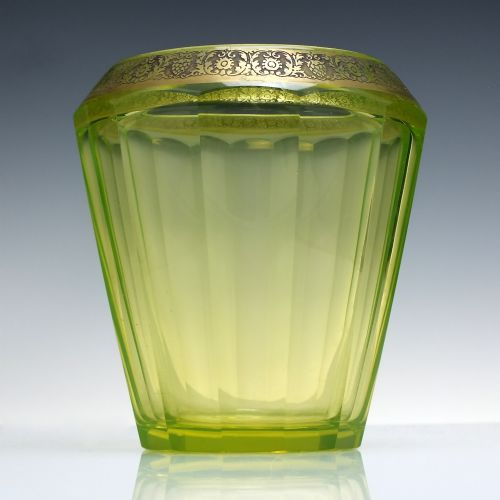
Makers utilised techniques such as blowing and cutting glass to shape these distinctive yellow pieces. Enamel decoration frequently adds surface detail to the vessels, while uranium content provides a striking natural glow under the right conditions.
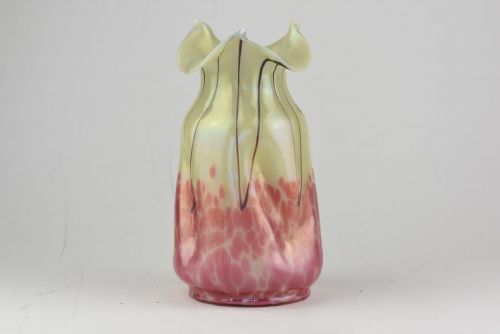
Makers also applied iridescent finishes to achieve shimmering surface effects on the glass. Chrome and fabric elements occasionally appear in supporting roles, particularly in table lamps from the Art Deco era.
Bohemian Yellow Glass Retail Price Guide 2026
Typical asking prices for bohemian yellow glass among the pieces listed under this phrase on Sellingantiques today, from the lower quarter to the upper quarter. They describe what is for sale here now, not the wider market.
Listings feature periods spanning from eighteen hundred through to nineteen thirty, including Art Nouveau and Art Deco styles.
What varies in quality
The standard of execution in cutting and enamel work sets individual pieces apart. Sharply defined etchings and precise application of enamel indicate a higher level of craftsmanship in the workshop.
The sophistication of the form and the integration of decorative elements determine the standing of each piece. Signed works and items with complex geometric Art Deco designs demonstrate distinct artistic ambition.
Karl Palda·Rudolf Hlousek·Pallme Konig·Moser
The Bohemian Yellow Glass Glossary
- Uranium glass
- Glass containing a small amount of uranium to produce a vivid yellow or green colour. It glows under ultraviolet light due to the presence of the element.
- Iridescent glass
- Glass treated with metallic salts to create a rainbow effect on the surface. This technique produces shifting colours when viewed from different angles.
- Etched glass
- Glass decorated by scratching or chemically dissolving parts of the surface to create designs. Artists use acids or mechanical tools to achieve the pattern.
- Cut glass
- Glass shaped and patterned by grinding and polishing facets into the surface. This method creates sharp edges and brilliant light refraction.
Bohemian Yellow Glass: Frequently Asked Questions
What is bohemian yellow glass?
Bohemian yellow glass encompasses decorative and functional objects produced in the historical region of Bohemia using yellow glass formulations. These pieces range from early Biedermeier dishes to vibrant Art Deco vases and lamps.
Craftsmen employed various methods including blowing, cutting, and enamelling to create items like scent bottles, decanter sets, and drinksware. The resulting objects display distinct stylistic shifts from the nineteenth century into the twentieth.
How do I identify Art Deco pieces?
Art Deco pieces typically feature geometric patterns, clean lines, and stylised motifs that reflect the design sensibilities of the interwar period. Makers like Karl Palda utilised etching and enamel to decorate these distinctive yellow vessels.
Such items often include table lamps, perfume bottles, and decanter sets produced in Czechoslovakia during the nineteen-thirties. The forms tend to emphasise structure and modern industrial aesthetics.
Does this glass glow?
Certain pieces made with uranium glass will exhibit a bright glow when exposed to ultraviolet light. This chemical property results from the inclusion of uranium dioxide in the glass batch during production.
Even in natural light, these objects present a distinctive yellow or yellow-green hue. The luminescence serves as a reliable indicator of the specific glass composition used by the maker.
How should I display them?
Placing these vessels where light can pass through them highlights their colour and surface texture. Vases, bowls, and decanter sets benefit from positioning near natural light sources on tables or shelves.
Grouping matching items like decanter sets on trays or pairing lamps with complementary surfaces enhances their visual impact. Consideration of lighting allows the iridescent and enamelled details to stand out.