



Bohemian Amber Glass
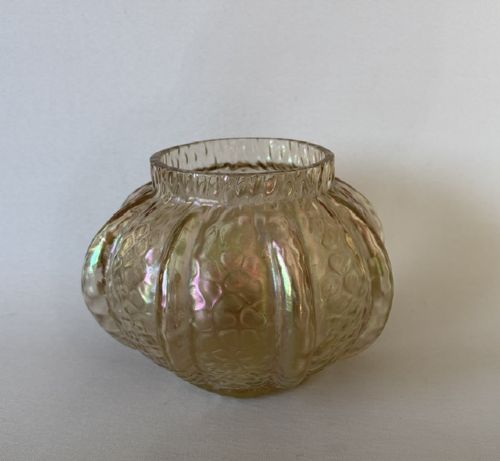
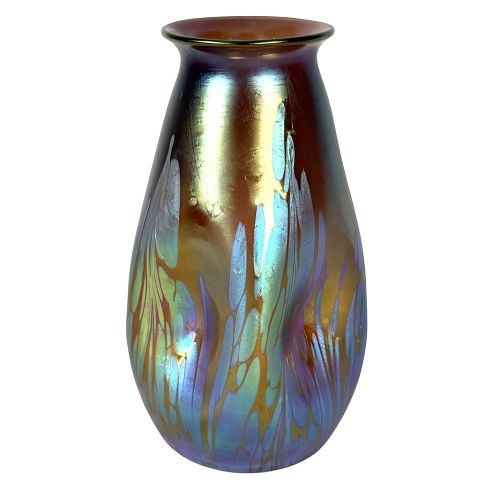
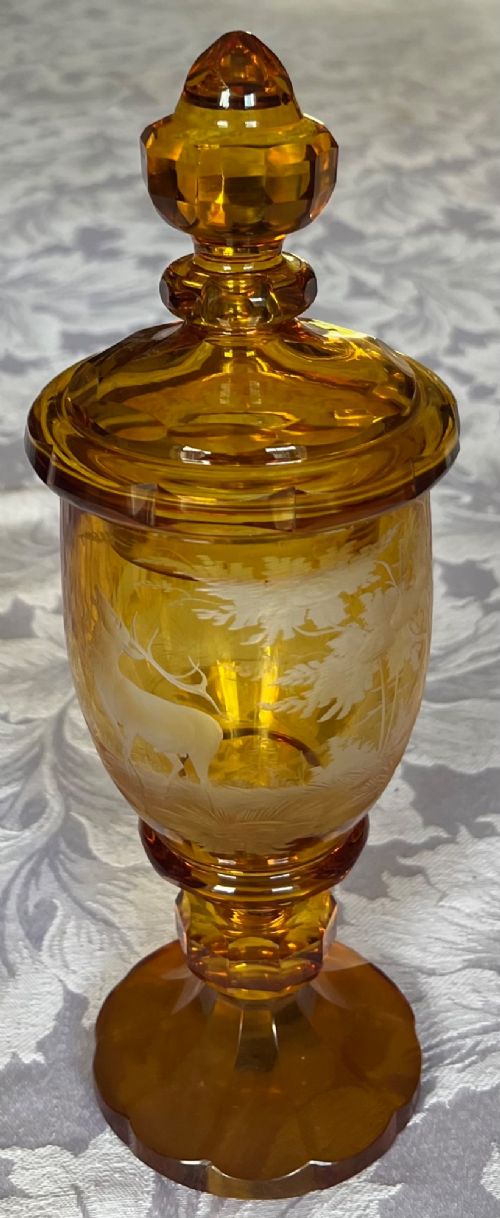
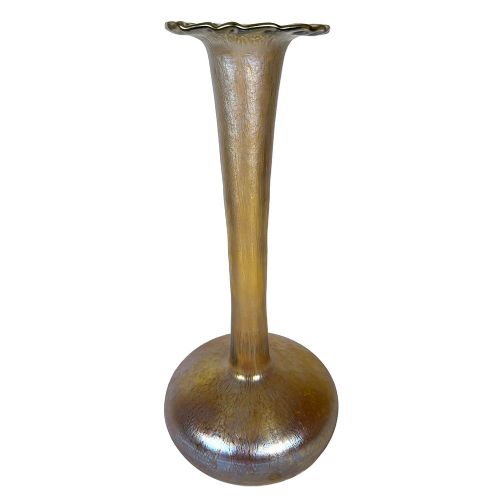
These bohemian amber glass pieces bring rich warmth and deep tone to a room, ranging from heavy cut wine roemers to delicate Art Deco decanters.
Bohemian Amber Glass
When you search for bohemian amber glass, you find a rich variety of vessels spanning the Victorian era through the 1930s, including engraved wine roemers, punch bowl sets, and scent bottles. The pieces you are most likely to meet on this page date from the Victorian period up to the Art Deco years of the 1930s, reflecting the enduring skill of central European glassworks.
The objects take many functional and decorative forms, such as tall vases, decanter sets, lampshades, and large bowls. Many carry deep amber hues combined with cut, engraved, or enamelled decoration, showing the shifting tastes from nineteenth-century floral motifs to geometric Art Deco lines.
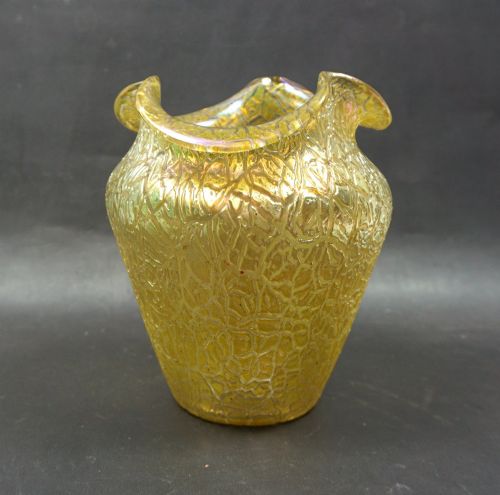
These items originate primarily from Bohemia and surrounding regions, capturing centuries of regional glassmaking tradition. Whether you encounter an iridescent organic vase or a matched tableware service, each piece demonstrates the substantial weight and deep coloration typical of the genre.
How they were made
Glassmakers created these pieces using blown glass techniques, shaping molten material by hand before applying further surface work. Many vessels received rich colouration during the initial melting phase, producing the characteristic amber tone seen across the range.
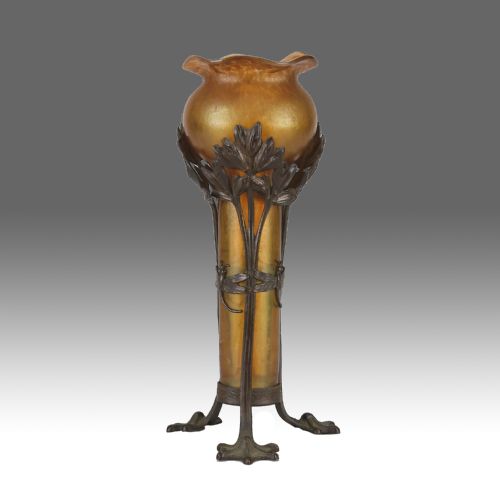
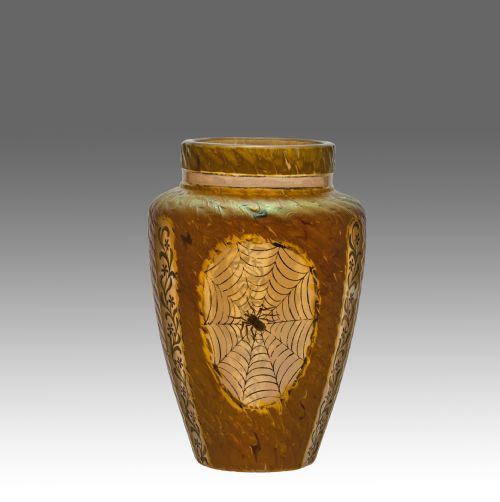
Artisans decorated the surfaces through wheel-engraving, cutting, and polychromatic enamelling, sometimes mounting the finished glass in bronze or silver. Later pieces from the 1930s utilise hand-enamelled lead crystal, while earlier examples feature intricate etched scenes and gilded details.
Bohemian Amber Glass Retail Price Guide 2026
Typical asking prices for bohemian amber glass among the pieces listed under this phrase on Sellingantiques today, from the lower quarter to the upper quarter. They describe what is for sale here now, not the wider market.
Some Victorian wine roemers were made so heavy that guests could toast with vigour without fear of launching the glassware across the room.
What varies in quality
The distinction between ordinary and exceptional pieces lies in the crispness of the cutting and the depth of the engraving. Master craftsmen achieved sharp, clean facets and finely detailed motifs that catch the light differently than mass-produced alternatives.
Quality also shows in the weight of the material and the harmony of any metal mounts, such as bronze collars or silver mountings. Superior items maintain a balanced form and meticulous enamel work that remains bright and intact across the surface.
Loetz·Kralik Glass·Moser·Karl Palda
The Bohemian Amber Glass Glossary
- Roemer
- A traditional Germanic stemmed wine glass featuring a large bowl above a decorated raspberry prunt stem. These appear frequently in nineteenth-century amber glass.
- Enamel
- Opaque glass paste applied to the surface of a vessel and fired to create colourful raised patterns. Artisans used this technique extensively on Victorian and Art Deco pieces.
- Iridescent glass
- Glass treated with metallic salts while hot to produce a shimmering, oil-slick sheen across the surface. This finish is a hallmark of early twentieth-century makers.
- Cut glass
- Glassware shaped and patterned by holding the vessel against a rotating abrasive wheel. This process creates deep, light-reflecting facets in the amber material.
- Historismus
- A nineteenth-century revivalist style drawing inspiration from Renaissance and medieval forms. German and Bohemian makers utilised these historical motifs in their vessels.
Bohemian Amber Glass: Frequently Asked Questions
How do I date bohemian amber glass?
Dating relies on the stylistic markers of the period, such as Victorian floral engraving, Art Nouveau organic shapes, or geometric Art Deco lines. Examining the manufacturing technique and the presence of silver or bronze mounts also helps narrow the decade of production.
Earlier nineteenth-century pieces often feature heavy wheel-engraving and traditional roemer shapes, whereas 1930s items from makers like Karl Palda show cleaner, streamlined forms. Comparing the object to documented patterns from known Bohemian glassworks provides further confirmation.
What were these amber glass items used for?
Most of these pieces served practical domestic functions, from serving wine at dinner parties to holding fresh flowers or lighting rooms through lampshades and chandeliers. Tableware sets and punch bowls formed the centrepiece of formal social gatherings during the Victorian and Edwardian eras.
Smaller items like scent bottles and liqueur sets were designed for personal vanity use or after-dinner entertaining. Over time, their role shifted from utilitarian household goods to decorative display pieces.
Are these glass pieces blown or pressed?
The majority of these items are free-blown or mould-blown, a technique where molten glass is inflated into shape by hand. This method produces the substantial weight and slight variations characteristic of quality regional craftsmanship.
Pressed glass relies on mechanical moulds and appeared more frequently in later, mass-produced tableware. Examining the interior surface and looking for pontil marks on the base helps determine the handmade nature of the vessel.