



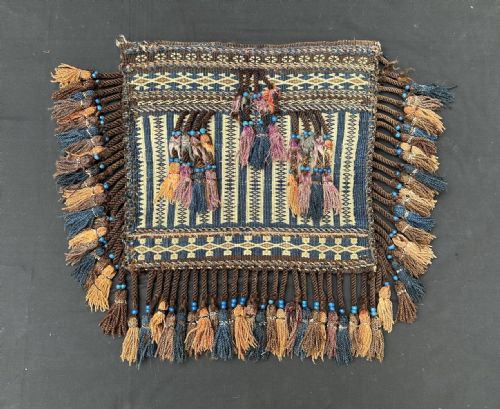
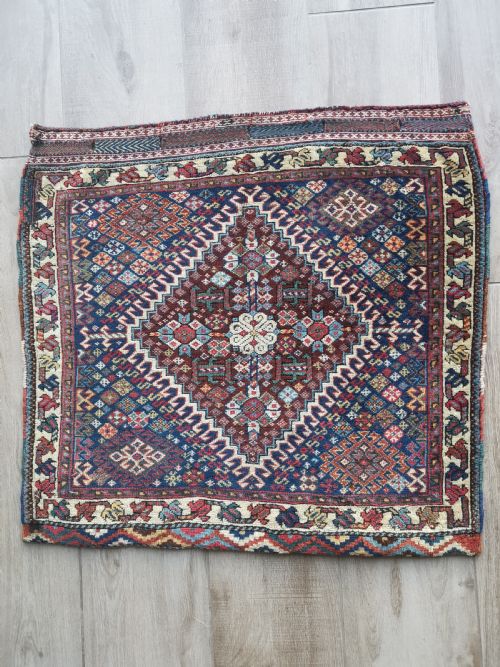
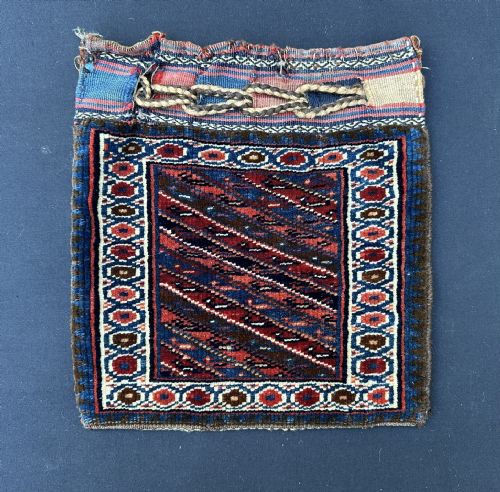
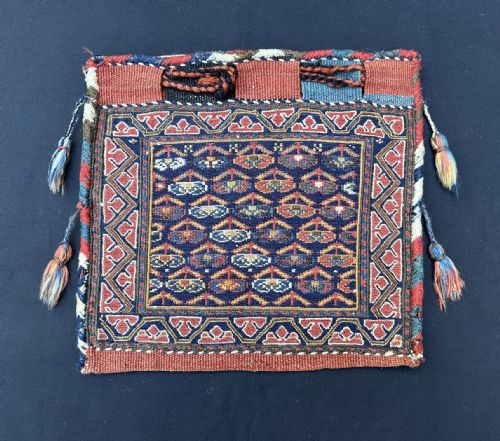
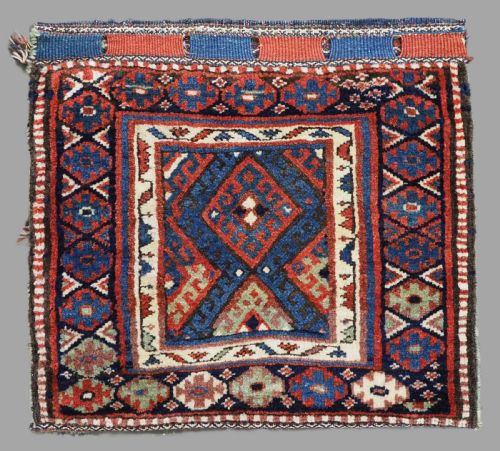
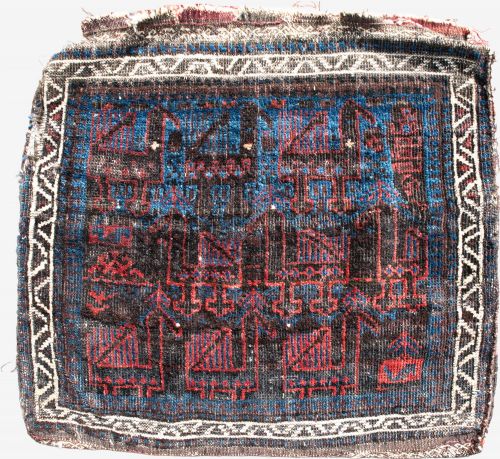
Blue Wool Rug Bag
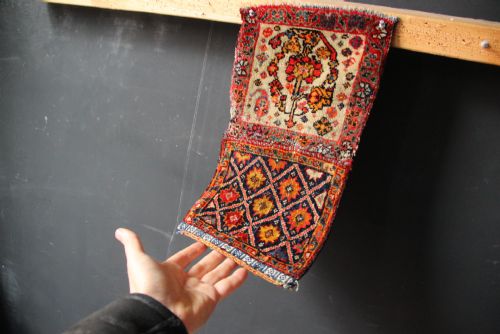
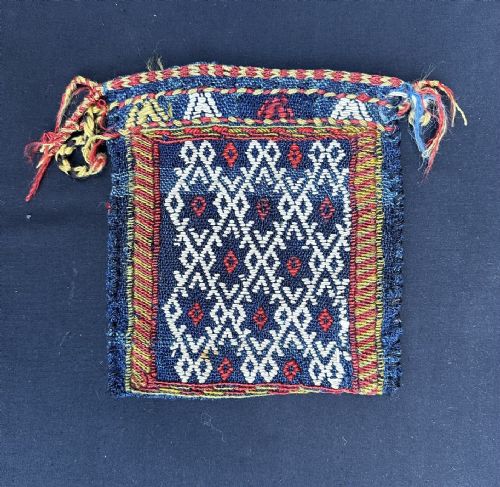
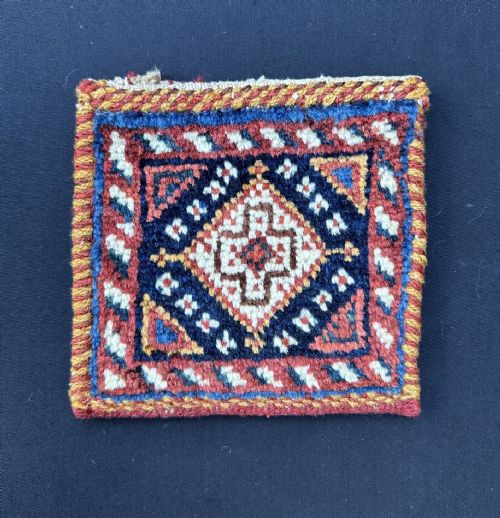
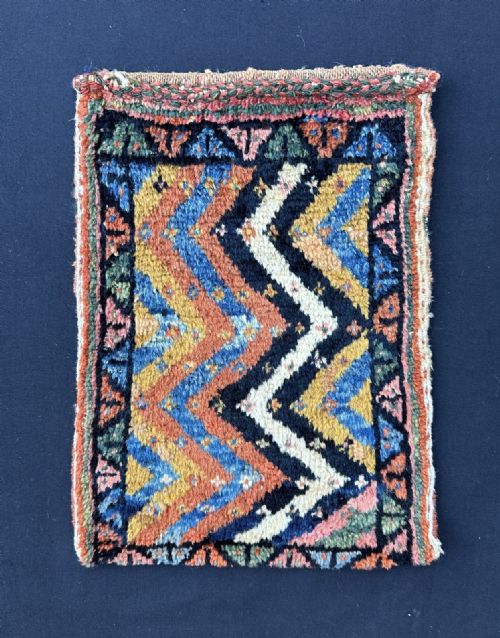
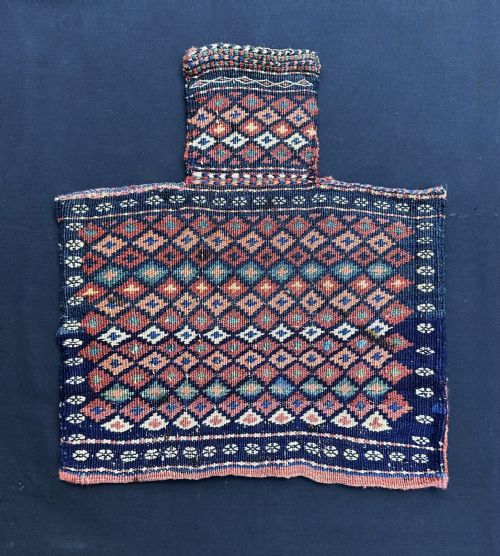
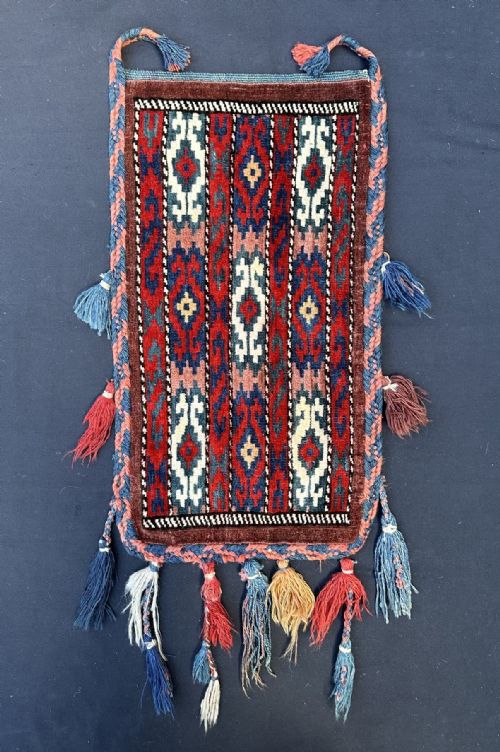
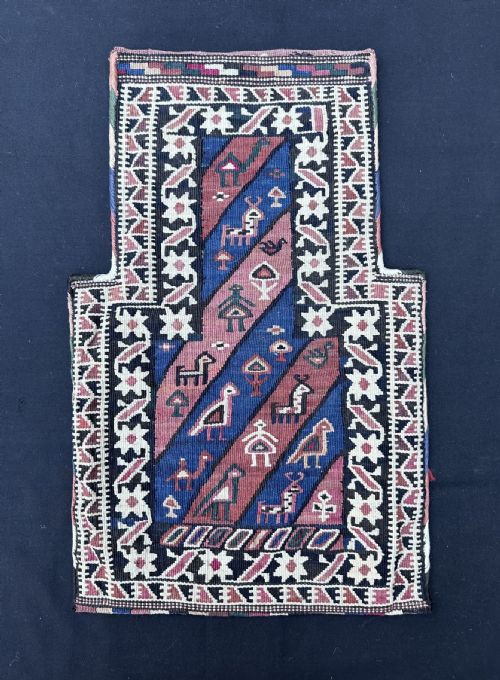
These pieces form a blue wool rug bag, collected from nomadic and tribal weavers across Persia, Anatolia, and Central Asia.
Blue Wool Rug Bag
Most examples originate from the nineteenth and early twentieth centuries, capturing the distinct patterns of regional weaving groups.
How they were made
Weavers utilised hand-spun wool and natural vegetable dyes to produce durable pile and flat-weave structures.
Goat hair often appears in the foundational warps and wefts to provide structural strength for heavy daily use, while supplementary cotton and glass beads occasionally furnish decorative detail.
Blue Wool Rug Bag Retail Price Guide 2026
Typical asking prices for blue wool rug bag among the pieces listed under this phrase on Sellingantiques today, from the lower quarter to the upper quarter. They describe what is for sale here now, not the wider market.
Listings span the nineteenth and early twentieth centuries, featuring wool, cotton, goat hair, and vegetable dyes.
What varies in quality
The purity and saturation of natural dye colours, particularly indigo blues, set finer examples apart from simpler pieces.
Knot density, structural tightness, and the clarity of tribal motifs indicate the skill and time invested by the weaver.
The Blue Wool Rug Bag Glossary
- Soumak
- A flat-weave technique where coloured weft threads wrap over and under the warp threads in a herringbone pattern. This method creates a sturdy face without pile.
- Torba
- A small storage bag designed to hang inside a nomadic tent. These pieces often display specific tribal medallions and border designs.
- Boteh
- A stylised paisley or almond-shaped motif representing a floral spray or cypress tree. It appears frequently in Persian and tribal textile designs.
- Plain weave
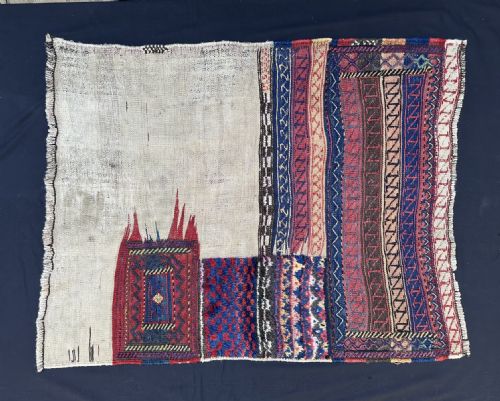
- A simple interlacing of warp and weft threads without pile knots. It forms the unadorned backs and connecting webs of many bags.
Blue Wool Rug Bag: Frequently Asked Questions
What is a blue wool rug bag?
A blue wool rug bag is a functional woven pouch created by nomadic groups for storing possessions or carrying goods on pack animals.
These textiles combine durable wool construction with indigo-dyed colour palettes and traditional geometric patterns.
How were these bags used?
Nomadic families utilised these containers inside tents for grain, salt, bedding, and personal items, or strapped them across mounts for travel.
Many survive as single faces because the original backing and pairing halves wore out through hard practical employment.
How do I identify tribal origins?
Specific knotting styles, structural materials like goat hair, and distinct geometric motifs point toward particular tribal groups and regions.
Weavers from regions such as Fars, Kerman, and the Caucasus employed characteristic colour combinations and drawing styles.
Can I use these bags in modern interiors?
These textiles adapt well to interior settings as wall hangings, small floor accents, or cushion covers when supported properly.
Placing them away from direct sunlight preserves the natural dyes and wool fibres over time.