



Blue Willow Plate
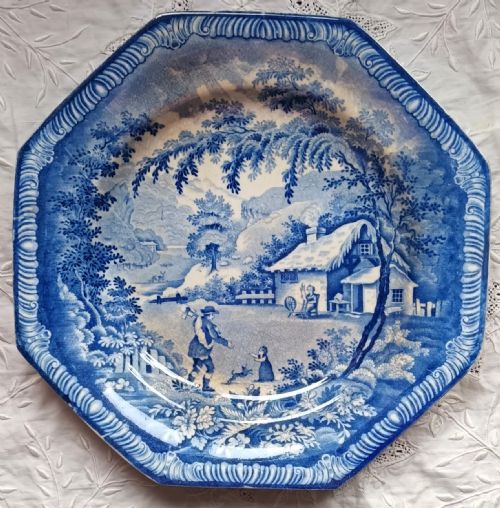
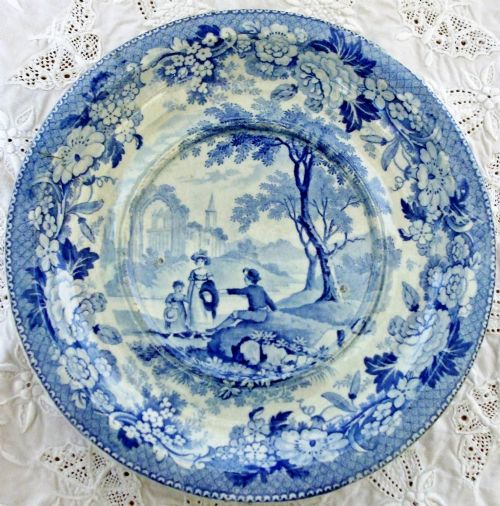
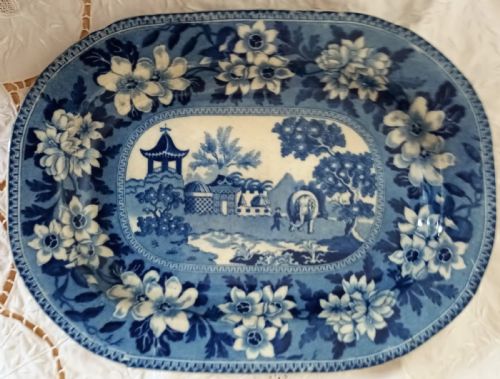
A blue willow plate brings traditional transfer-printed charm to a table, combining familiar Chinoiserie landscapes with durable earthenware bodies.
Blue Willow Plate
A blue willow plate is a ceramic tableware piece defined by its transfer-printed Chinoiserie landscape, appearing across various 18th century, Georgian, and Victorian examples.
Buyers seeking this phrase most frequently encounter Victorian sets and individual 19th century earthenware plates or serving platters featuring the characteristic blue glaze.
The objects span standard dining plates, larger meat platters, and chargers made from ceramic earthenware and pearlware materials.
Materials and production methods
Potters formed these items from earthenware and pearlware ceramic bodies, applying an ink or transfer design beneath a clear glaze before firing.
The production relied on transfer printing techniques to replicate intricate pictorial scenes onto the ceramic surface with consistent blue coloration.
Blue Willow Plate Retail Price Guide 2026
Typical asking prices for blue willow plate among the pieces listed under this phrase on Sellingantiques today, from the lower quarter to the upper quarter. They describe what is for sale here now, not the wider market.
Object forms span standard plates, large chargers, and serving platters with blue and white transfer patterns.
Distinctions in quality
Quality differences emerge in the clarity of the transfer print and the smoothness of the ceramic glaze, with finer pieces showing sharp pictorial detail.
The refinement of the earthenware or pearlware body and the consistency of the blue colour application separate standard production wares from superior examples.
John Rogers and Son·Spode·Caughley
The Blue Willow Plate Glossary
- Pearlware
- A refined type of earthenware developed in the late 18th century featuring a pale bluish glaze that sits slightly whiter than creamware.
- Earthenware
- A porous pottery body fired at lower temperatures, commonly used for traditional tableware and glazed for everyday utility.
- Transfer printing
- A decoration method where an engraved design is pulled onto paper and pressed onto the ceramic surface before glazing.
- Chinoiserie
- A European artistic style reflecting Chinese motifs and landscapes, frequently adapted on British ceramics and prints.
- Charger
- A large decorative plate or platter historically used for serving meat or as a base beneath smaller course plates.
Blue Willow Plate: Frequently Asked Questions
What is a blue willow plate?
A blue willow plate is a ceramic dish decorated with a traditional blue transfer-printed landscape featuring bridges, figures, and birds.
These pieces emerged strongly during the Georgian and Victorian periods as popular dining table ceramics.
How do I care for antique plates?
Wash antique ceramic plates gently by hand using mild soap and warm water rather than placing them in a dishwasher.
Avoid soaking crazed earthenware for long periods to protect the historic glaze and ceramic body from staining.
Can I use these for dining?
Many buyers prefer to use sturdy earthenware plates for gentle daily dining or special table settings.
Older pearlware and delftware pieces are often displayed on walls or stands to protect their delicate glazes from cutlery marks.
How old are these plates?
The listings feature examples primarily originating from the Georgian and Victorian eras, spanning the 18th and 19th centuries.
Specific dates depend on the ceramic body type, transfer style, and factory marks present on the reverse.