

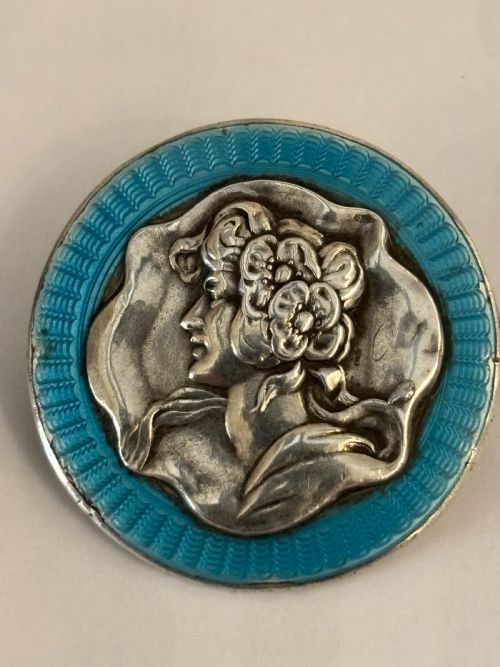


Blue Sterling Brooch
These blue sterling brooch pieces combine precious metalwork with vivid colour, offering a wearable piece of history that catches the light.
Blue Sterling Brooch
When you search for a blue sterling brooch, you encounter pieces that span from the Edwardian era through the Art Deco period and into the mid-century decades. These items take the form of traditional dress pins, bar brooches, and even conversion pieces like belt buckles.
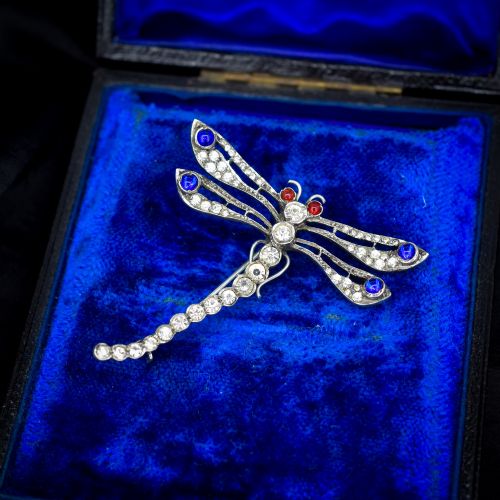
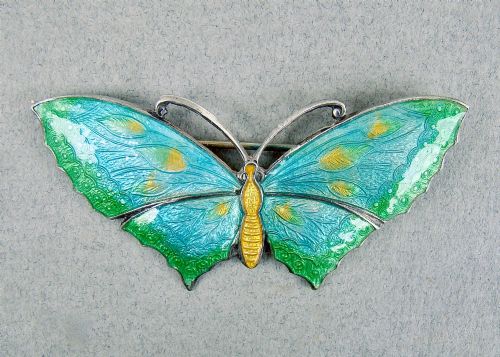
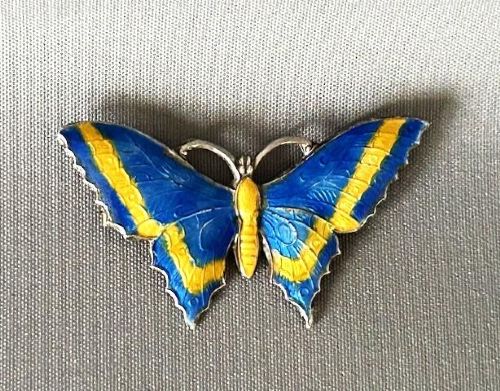
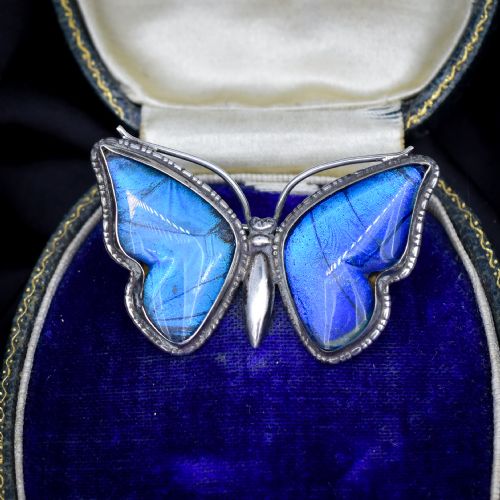
The most common examples you meet on this page feature butterfly wing work or guilloche enamel set into sterling silver mounts. These designs capture various shades of blue, ranging from deep oceanic tones to bright sky hues.
Makers from Britain, Scandinavia, and beyond contributed to this category, utilising distinct regional styles such as Scandinavian Modern, Art Nouveau, and Mid-Century Modern. Each piece reflects the aesthetic preferences of its decade of origin.
How they were made
Makers fashioned the structural elements of each blue sterling brooch from solid silver and sterling silver, shaping them into insects, flowers, or geometric motifs. Hallmarks often stamp the metal to indicate its purity and origin.
Colour arrives primarily through vitreous enamel, guilloche techniques, and iridescent butterfly wing panels protected beneath glass. Craftsmen fused glass powders to metal under high heat or carefully arranged delicate scales to create permanent visual depth.
Blue Sterling Brooch Retail Price Guide 2026
Typical asking prices for blue sterling brooch among the pieces listed under this phrase on Sellingantiques today, from the lower quarter to the upper quarter. They describe what is for sale here now, not the wider market.
Current listings demonstrate that blue sterling brooch designs span from Edwardian times through Art Deco and into mid-century Scandinavian Modern styles.
What varies in quality
The sophistication of the enamelwork and the precision of the metal mounting determine the standing of any blue sterling brooch. Finer examples display smooth, unbroken vitreous surfaces and crisp details in the underlying engine-turned patterns.
Artistic execution in subjects like butterflies, dragonflies, or floral sprays separates standard production from superior craftsmanship. The clarity of the butterfly wing beneath its glass cover and the tightness of the silver joints dictate the overall distinction of the work.
Henry Matthews
The Blue Sterling Brooch Glossary
- Guilloche enamel
- A decorative technique where an intricate geometric pattern is engraved beneath a transparent layer of coloured enamel. This method creates shimmering light effects across the blue surface.
- Vitreous enamel
- Glass powder fused to metal at high temperatures to produce a durable, glossy coloured finish. It resists fading and maintains its bright tone over generations.
- Butterfly wing
- A technique using the naturally iridescent scales of tropical butterflies arranged to form scenic or abstract patterns under glass. These inserts shift in colour as the viewing angle changes.
Blue Sterling Brooch: Frequently Asked Questions
What is a blue sterling brooch made of?
These pieces consist primarily of sterling silver combined with decorative elements like glass, vitreous enamel, or natural butterfly wing. The metal provides a durable, polished frame for the blue centrepieces.
Makers selected these materials to ensure both structural longevity and striking visual contrast against clothing.
How do I date a blue sterling brooch?
Dating relies on identifying the prevailing style, such as Edwardian filigree or Art Deco geometry, alongside any maker's marks or silver hallmarks stamped on the reverse. Materials like butterfly wing and guilloche enamel also point towards specific manufacturing decades.
Examining the clasp type and pin mechanism offers additional clues regarding the era of production.
How should I care for my brooch?
Store your piece in a dry environment away from direct sunlight to protect enamel and butterfly wing inserts from moisture and UV degradation. Clean the silver gently with an appropriate polishing cloth while avoiding harsh chemical dips that damage enamel.
Handling the brooch by its metal edges rather than its decorative face preserves its structural condition.
Where were these brooches manufactured?
Production locations include British workshops, particularly in Birmingham, alongside prominent Scandinavian studios in Norway and Denmark. Each region imparted distinct regional aesthetics to the finished silver and enamel objects.
Export marks and maker stamps frequently confirm the specific country of origin.