



Blue Sea Artwork
Blue sea artwork captures maritime scenes, coastal views and shipping vessels in oil and watercolour from the nineteenth and twentieth centuries.
Blue Sea Artwork
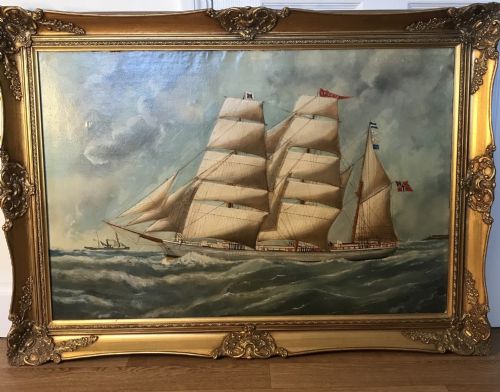
Blue sea artwork encompasses paintings and watercolours depicting marine subjects, coastal harbours and open waters across the nineteenth and twentieth centuries. A buyer searching this phrase encounters historical depictions of sailing ships, naval vessels and coastal life created during the Victorian, Edwardian and mid-century periods.
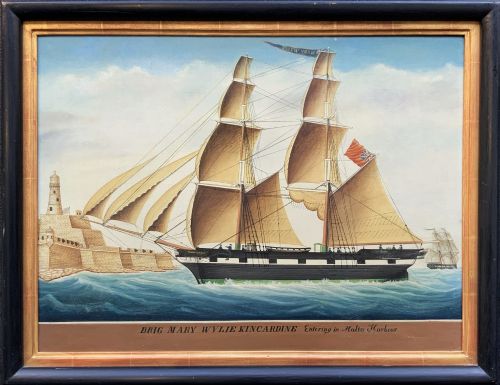
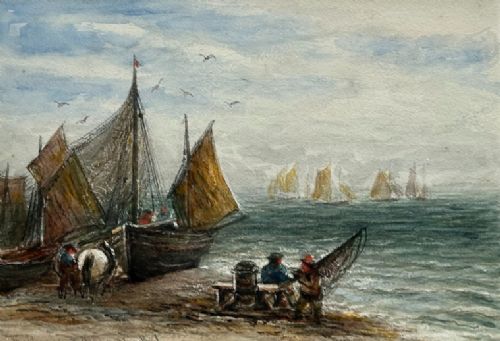
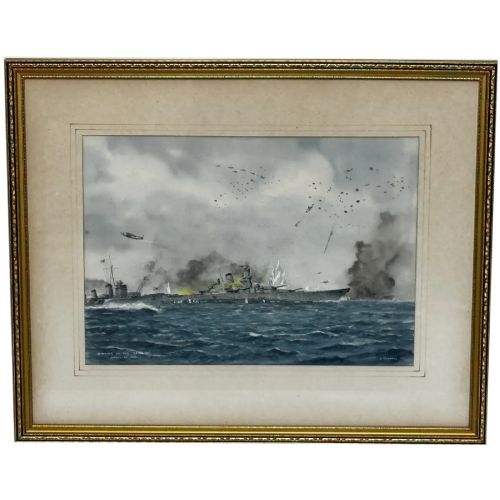
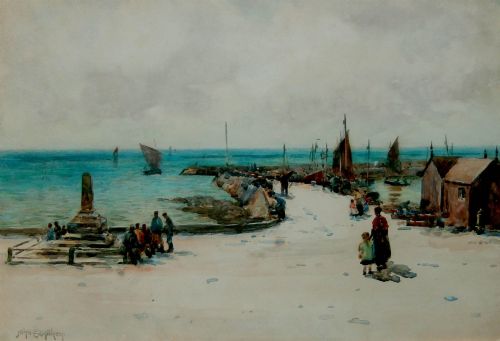
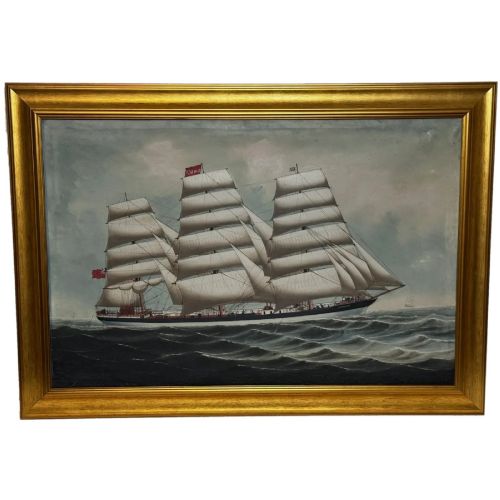
The most common examples on this page are nineteenth-century and early twentieth-century British and European maritime paintings. These works range from detailed portraits of named merchant barques and clippers to atmospheric watercolours of fishing boats off Cornish and Yorkshire harbours.
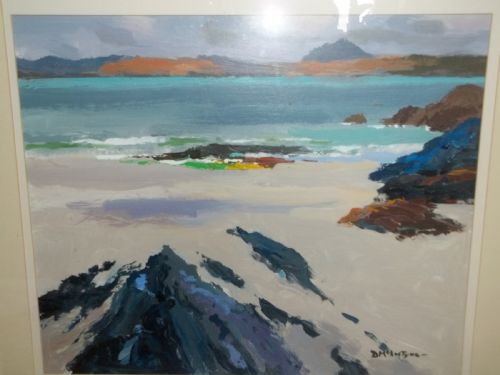
Makers and artists working within British Impressionism, maritime realism and regional schools produced these coastal scenes using traditional media on canvas, paper and card. Collectors find both signed works by recognised marine painters and accomplished pieces from regional British and French schools.
How they were made
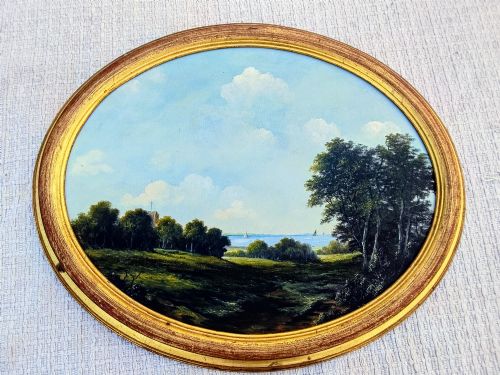
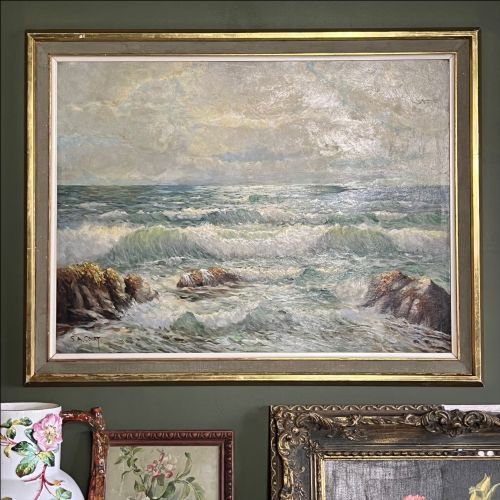
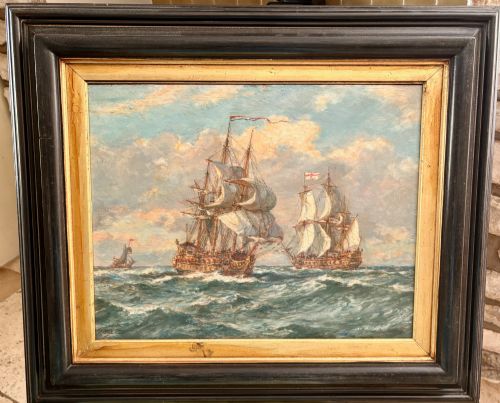
Artists painted these marine subjects primarily in oil on canvas or oil on card, alongside watercolour pigment applied to paper. Painters utilised traditional brushwork to render the movement of waves, the rigging of sailing ships and the shifting light of coastal skies.
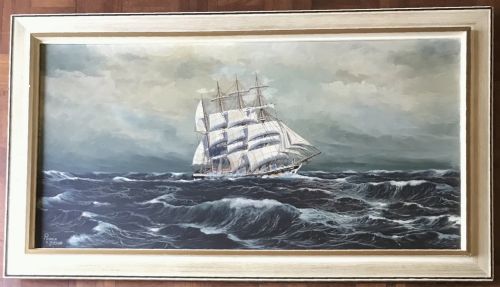
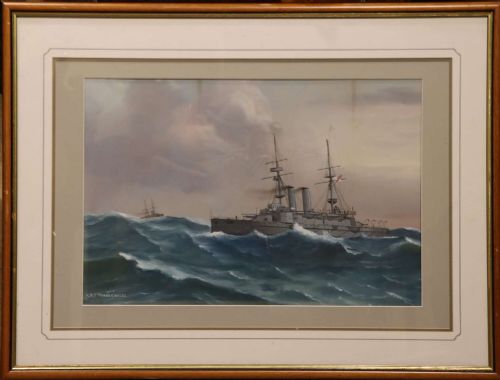
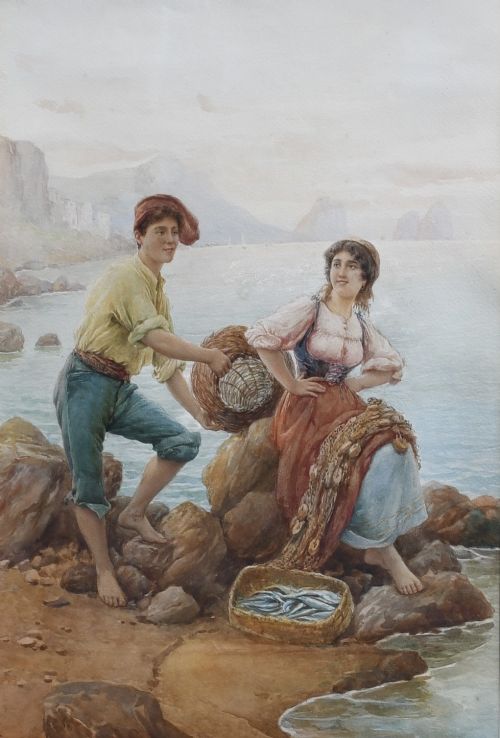
Many nineteenth-century works employed rich oil paints to capture dramatic storms, moonlight on water or calm harbours, while watercolour pieces relied on transparent washes of pigment to depict bright coastal days and sea air.
Framing often involves period wood mouldings that complement the maritime subject matter, protecting the canvas or paper from environmental wear while preserving the historical integrity of the piece.
Blue Sea Artwork Retail Price Guide 2026
Typical asking prices for blue sea artwork among the pieces listed under this phrase on Sellingantiques today, from the lower quarter to the upper quarter. They describe what is for sale here now, not the wider market.
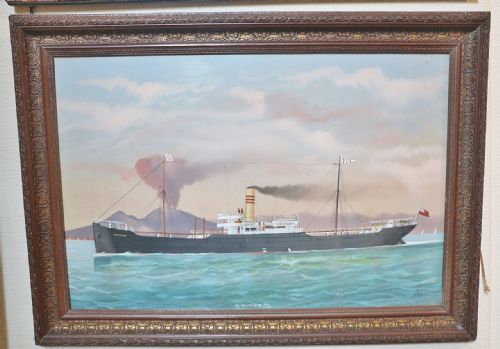
The selection includes both named merchant sailing vessels and anonymous fishing boats caught in heavy seas or calm coastal waters.
What varies in quality
The standard of execution in blue sea artwork depends upon the artist's command of light, shadow and nautical anatomy. Superior pieces demonstrate precise understanding of rigging, hull construction and maritime movement combined with confident brushwork in the water and sky.
Compositional balance and atmospheric depth separate exceptional works from standard decorative marine paintings. The finest examples convey the heavy swell of the sea or the specific quality of coastal light without relying on formulaic depictions of waves and ships.
Donald McIntyre·Reginald Arthur Borstel·Sidney A Court·John E Aitken·Eric Tufnell·William Banks Fortescue·Bernard Gribble·Bernard Benedict Hemy·Lai Fong·Alfred G Morgan·Carlo Ferranti·Richard B Spencer·William Henry Williamson·George Stanfield Walters·Henry Barlow Carter·George F Pennington·Raymond Moritz·Charles Napier Hemy·Jean Baptiste Olive·William Lee Hankey·Daniel Sherrin·William Tuck·George Shaw·John McDougal·Charles Malfroy
The Blue Sea Artwork Glossary
- Barque
- A sailing vessel with three or more masts having square sails on the fore and mainmasts and fore-and-aft sails on the mizzenmast. These ships frequently appeared in nineteenth-century maritime paintings.
- En plein air
- The act of painting outdoors to capture direct observations of natural light and atmosphere. This technique accounts for the lively immediacy seen in coastal oil paintings.
- Gouache
- An opaque watercolour medium containing pigment mixed with a water-binding agent and added white filler. Artists utilised gouache for bright, solid highlights on maritime watercolours.
- Pierhead painting
- A specialised genre of marine art depicting specific merchant or naval vessels near port. Sailors and shipowners commissioned these accurate portraits when entering or leaving harbour.
- Watercolour pigment
- Finely ground colour particles suspended in a water-soluble vehicle. Painters applied these translucent pigments to paper to achieve luminous marine vistas.
Blue Sea Artwork: Frequently Asked Questions
What periods do these paintings date from?
The listings span the nineteenth and twentieth centuries, encompassing Victorian maritime works, Edwardian pieces and mid-century coastal scenes.
These dates reflect the active periods of marine painting traditions across British and European schools.
How should I hang maritime art at home?
Hang these works away from direct sunlight to protect sensitive watercolours on paper and traditional oil pigments on canvas.
Pairing pieces with neutral wall colours helps the deep blues of the sea and sky dominate the room.
What is a pierhead painting?
A pierhead painting is a specific historical portrait of a ship shown entering or leaving a port. These works were often commissioned by captains or shipowners to record a vessel's likeness.
They offer accurate details of rigging, flags and coastal landmarks specific to the era.
How do I distinguish watercolours from oil paintings?
Watercolours utilise translucent pigments on paper, typically displayed behind glass within a protective mount and frame. Oil paintings feature textured layers of paint applied directly to stretched canvas or wooden board.