
Blue Portrait Painting
These historic paintings and miniatures offer lasting blue portrait painting examples, capturing sitters through centuries of distinct attire and technique.
Blue Portrait Painting
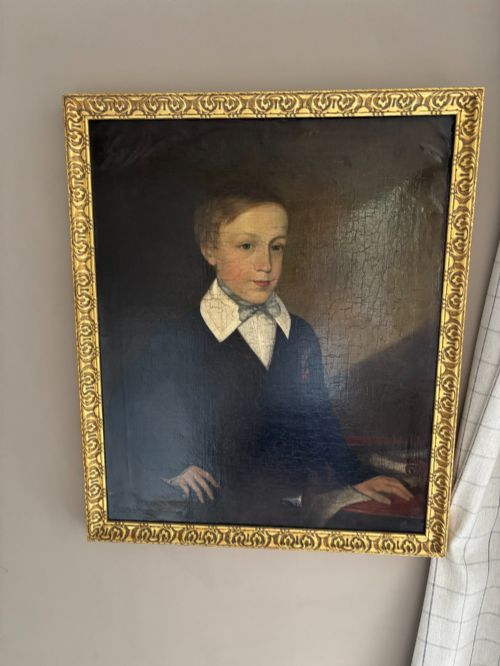
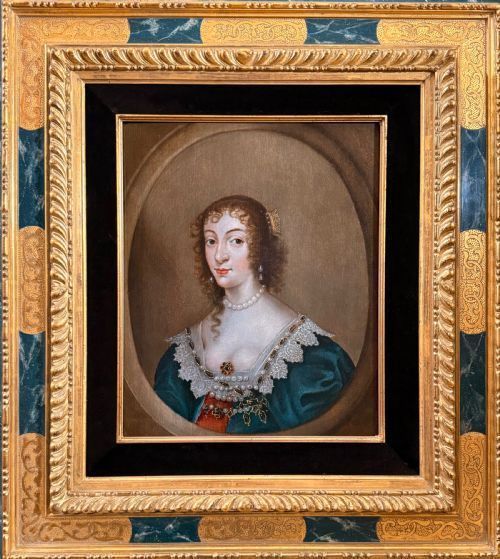
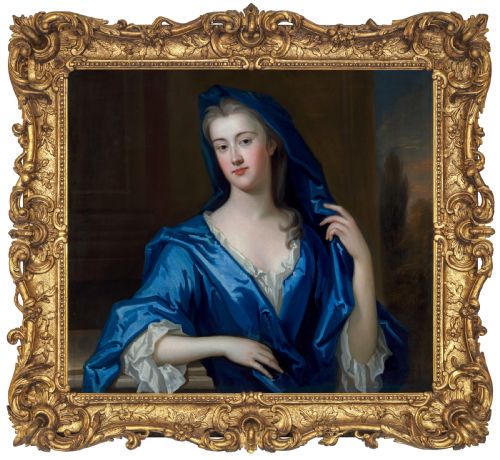
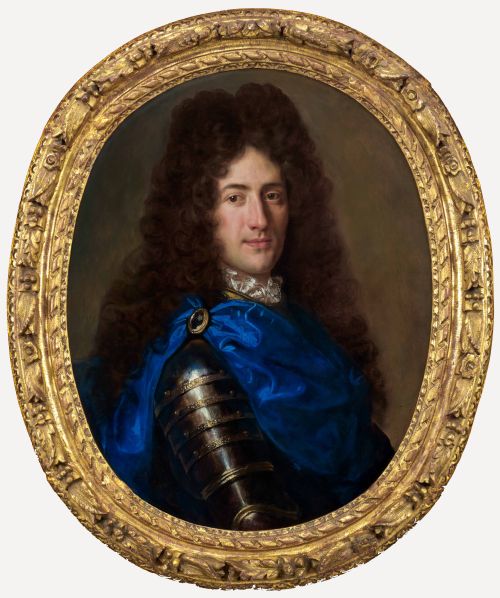
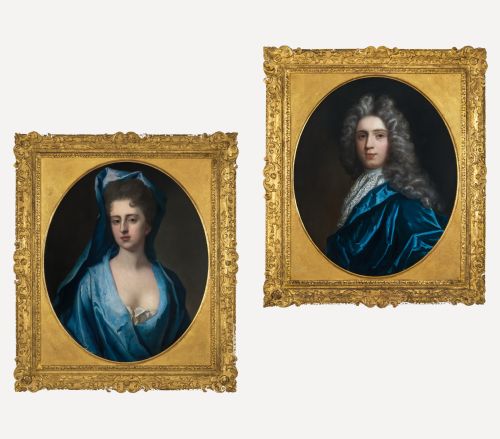
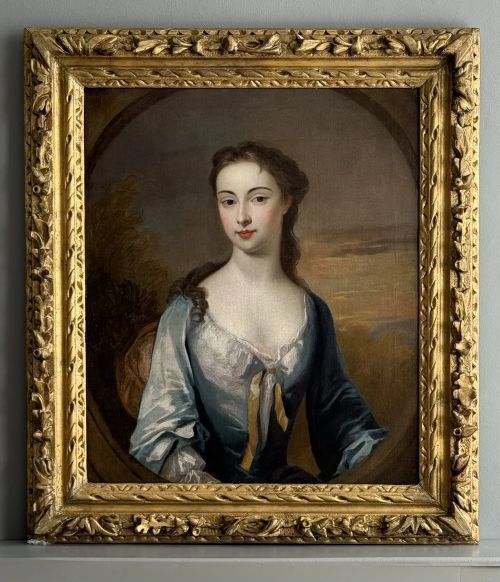
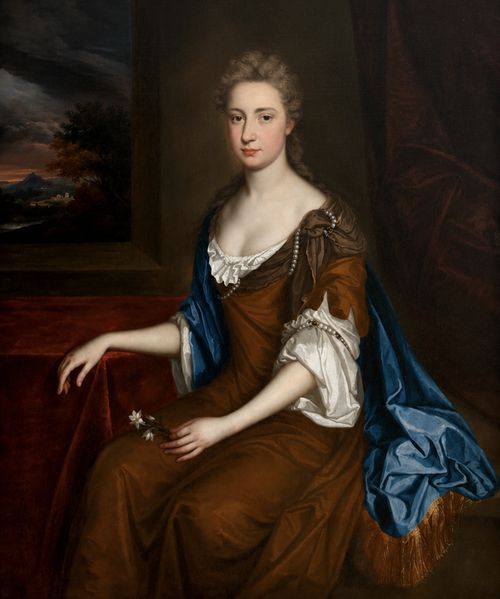
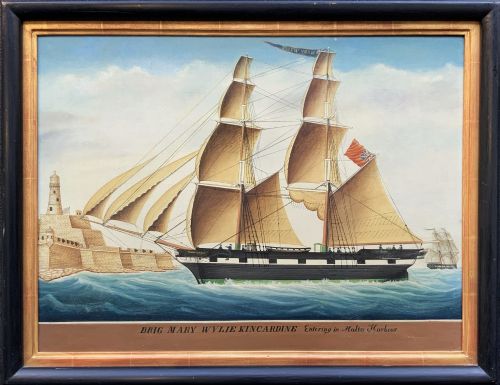
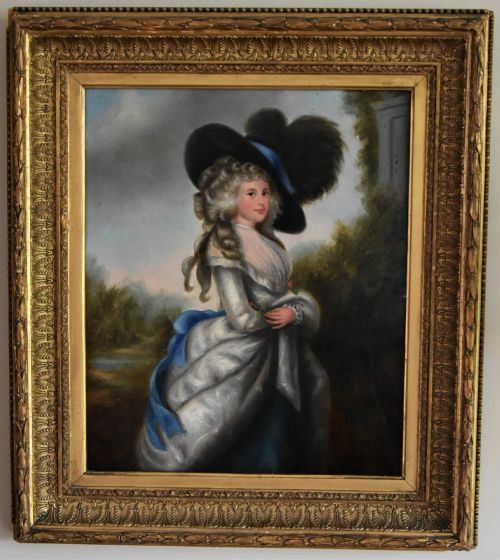
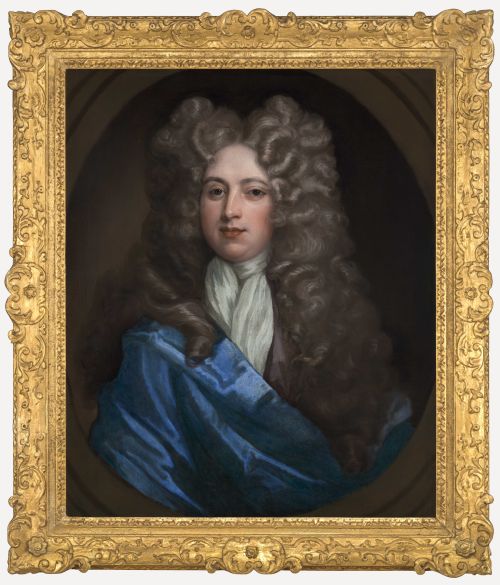
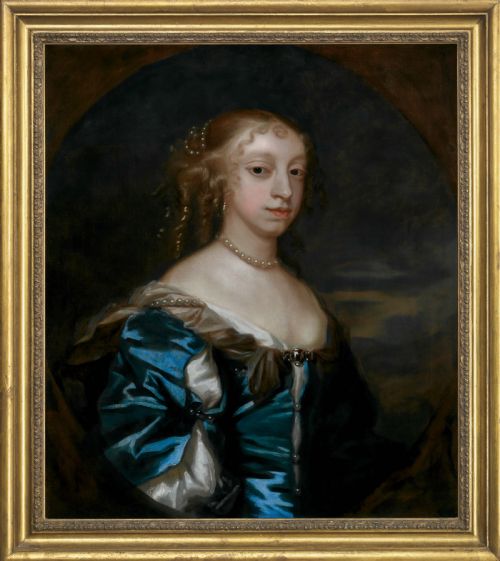
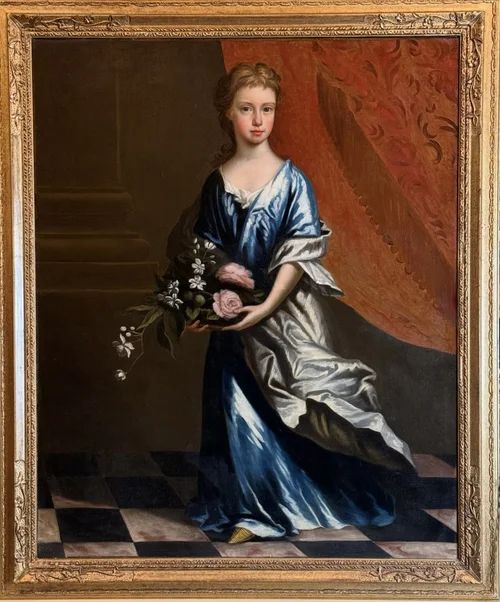
A blue portrait painting brings centuries of historic sitters into modern spaces, capturing individuals adorned in blue mantles, gowns, cloaks, and ribbons. These works span from the 17th century through the Georgian, Regency, and Victorian periods, reflecting shifting social statuses and artistic conventions.
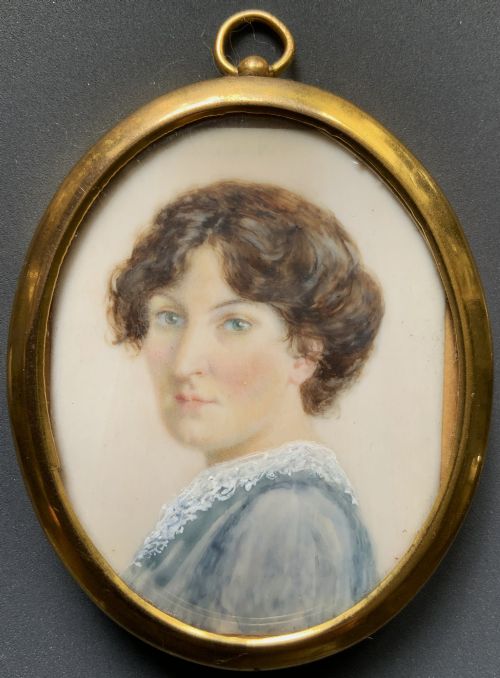
The selections on this page range from full oil on canvas compositions to intimate portrait miniatures and works on paper. Many originate from British and European schools, showing subjects ranging from nobility and merchants to young girls and gentlemen.
Buyers will encounter formal 17th-century oils alongside 18th-century pastels and 19th-century watercolours. The enduring appeal lies in the psychological depth of the sitters and the vibrant use of cobalt, blue silk, and deep indigo drapery.
How they were made
Painters built these images primarily using oil on canvas or panel, layering pigments to achieve deep tones for garments and realistic flesh tints. Artists of earlier centuries prepared their grounds meticulously, working with organic binders and mineral colours.
Giltwood frames frequently accompany these paintings, providing structural support and decorative emphasis that complements the central blue pigments within the artwork.
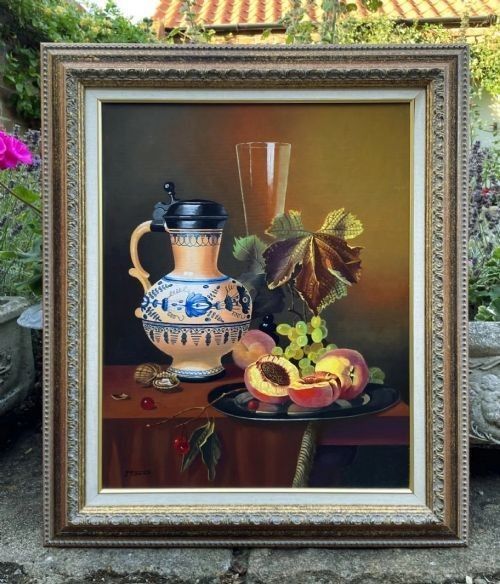
Sitters frequently brought their pets, fruit trees, and racing pigeons to the canvas, ensuring their beloved animals joined them in history.
What varies in quality
The distinction between standard works and masterworks rests on the finesse of the brushwork and the psychological presence of the sitter. Superior examples capture light effectively across fabrics like silk and velvet, rendering drapery with convincing volume.
Anatomy, hand positioning, and facial expression separate studio repetitions from primary hands. The handling of secondary elements, such as background foliage, curtains, or heraldic details, also indicates the level of training and execution behind the painting.
Charles Jervas·Michael Dahl·Thomas Murray·Richard Cosway·Jonathan Richardson·John Downman
The Blue Portrait Painting Glossary
- Oil on canvas
- A painting medium where pigments are suspended in a drying oil, traditionally linseed, applied to a stretched woven fabric support. This technique allowed artists to achieve rich tonal gradations and depth, especially in dark backgrounds.
- Portrait miniature
- A small, highly detailed painting, frequently executed on vellum, card, or ivory during earlier eras. These personal items were often commissioned to commemorate family members or intimate acquaintances.
- Pastel
- A dry painting medium consisting of powdered pigment and a binder, offering vibrant matte colour. Artists utilised pastels extensively for swift, expressive portrait studies.
- Panel painting
- An artwork created on a flat piece of wood rather than fabric. Wooden supports were common in earlier centuries before canvas became the dominant substrate.
Blue Portrait Painting: Frequently Asked Questions
What periods do these portraits cover?
The available selection spans primarily from the 17th century through the Georgian, Regency, and Victorian eras into the early 20th century.
Earlier works reflect Baroque sensibilities, while later pieces showcase the shifts toward watercolour and pastel mediums.
How should I care for an oil painting?
Keep paintings away from direct sunlight and dramatic fluctuations in temperature or humidity to protect the canvas and wooden stretcher.
Dust surfaces gently with a soft, dry brush and avoid chemical cleaning agents on both the paint layer and the frame.
What materials are common in these works?
Artists utilised oil on canvas, wood panels, copper, paper, and card, applying oil, watercolour, gouache, or pastel.
Frames typically consist of wood, often finished with gilt leaf or ebonised details to complement the art.
How can I identify a portrait miniature?
Miniatures are distinguished by their small scale, often pocket-sized, designed for intimate viewing rather than large wall display.
They frequently feature detailed facial work executed under magnification on specialised supports like ivory, vellum, or prepared card.