



Blue Perfume Flask
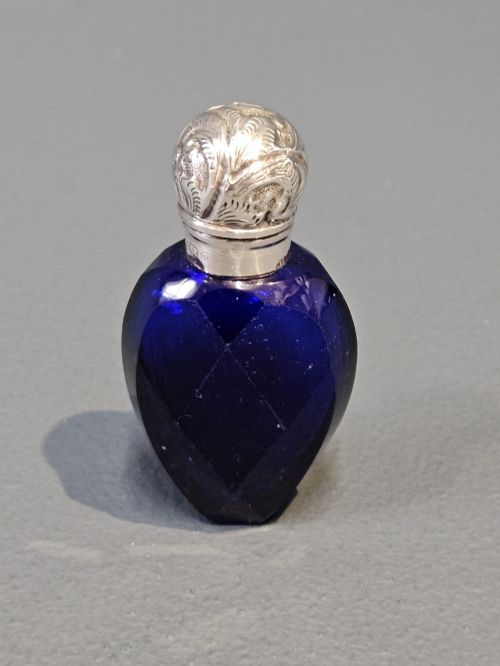
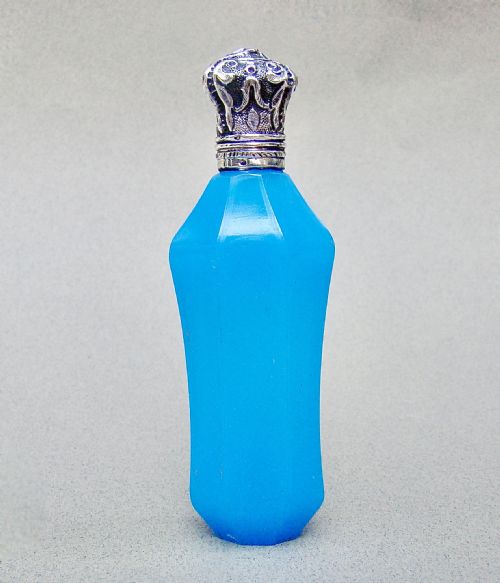
A blue perfume flask brings rich cobalt, turquoise, and opalescent glass into the hand as a brilliant vanity piece.
Blue Perfume Flask
A blue perfume flask is a portable vessel designed to hold scents, appearing across periods from ancient Roman glass unguentaria to twentieth-century Art Deco glass designs. The most common examples met here combine moulded or blown glass with metal mounts, spanning Victorian opalescent pieces and sleek 1930s creations.
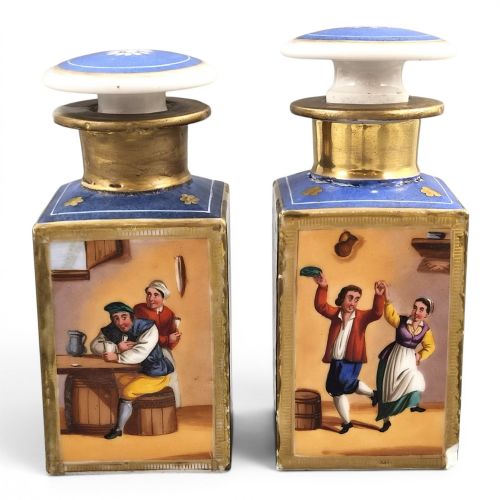
Makers utilised various forms ranging from small chatelaine bottles meant to hang from a belt to miniature porcelain vases and table scent bottles. These objects served both practical toiletry functions and decorative roles on dressing tables and in pocket collections.
The materials span clear and opaque blue glass, porcelain, and enamel, frequently enhanced by sterling silver caps or gilt mountings. French, English, and Italian workshops each contributed distinct stylistic interpretations to the form over two centuries.
What varies in quality
The refinement of the glass body and the precision of any overlay or cameo cutting distinguish superior examples from standard production pieces. Clarity of colour, successful opalescent effects, and the absence of clouding in the material elevate certain vessels.
The weight, integrity, and hallmarking of silver or gilt mounts affect the overall standard of the flask. Intricate hand-painted scenes, signed signatures from known makers, and well-fitted stoppers indicate higher workmanship.
Blue Perfume Flask Retail Price Guide 2026
Typical asking prices for blue perfume flask among the pieces listed under this phrase on Sellingantiques today, from the lower quarter to the upper quarter. They describe what is for sale here now, not the wider market.
Listings include nineteenth-century French chatelaine scent bottles alongside 1930s Art Deco opalescent glass vessels.
Jacob Petit·Franchini And Bigaglia·Crown Staffordshire·Rene Lalique·Flight Barr And Barr·Sabino
The Blue Perfume Flask Glossary
- Opaline glass
- An opaque or translucent glass developed in France during the nineteenth century, often tinted in soft shades of blue. It provides a smooth, porcelain-like surface texture.
- Chatelaine
- A decorative belt hook worn with suspended utility items, including scent bottles and keys. This mounting style allowed owners to carry their flask securely.
- Guilloche enamel
- A decorative technique where a geometric pattern is mechanically engraved beneath a translucent enamel layer. This method creates shimmering, light-reflecting waves of colour.
- Murrine
- Coloured glass cane slices heated and fused together in a pattern, notable in Venetian production. The cross-sections form intricate mosaic designs across the vessel.
- Unguentarium
- A small ancient glass or ceramic flask used for oils and perfumes, frequently recovered from archaeological contexts. These ancient precursors set the enduring small-scale format for scent containers.
Blue Perfume Flask: Frequently Asked Questions
How do I clean a vintage blue perfume flask?
Rinse the interior gently with warm water, avoiding harsh scrubbing that might damage delicate silver mounts or painted enamel scenes.
Allow the flask to dry completely with the stopper removed before storing or displaying it.
Are original glass stoppers important?
Original matching stoppers preserve the intended silhouette and completeness of the piece, which matters for historical integrity.
Many surviving bottles retain their fitted glass or silver-capped daubers inside the neck.
How can I tell Victorian opaline glass from later glass?
Victorian opaline exhibits a dense, milky opacity with distinct weight and hand-finished pontil marks on the base.
Twentieth-century opalescent pieces, such as those from the Art Deco period, often show characteristic bluish fire or machine-moulded uniformity.
Can I still use these flasks for modern perfume?
Most antique flasks can hold modern scents, provided the internal stopper and cork seal remain intact and clean.
Volatile oils can sometimes affect historical residues, so many collectors prefer to keep them empty.