



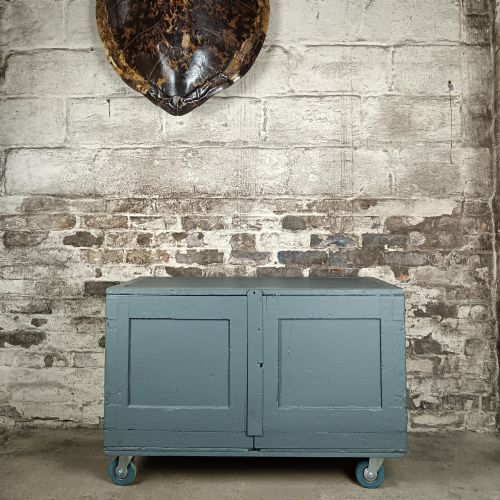
Blue Painted Wood
Blue painted wood covers items finished in pigmented coats, from chairs to panels, valued for decorative impact and surface character.
Blue Painted Wood
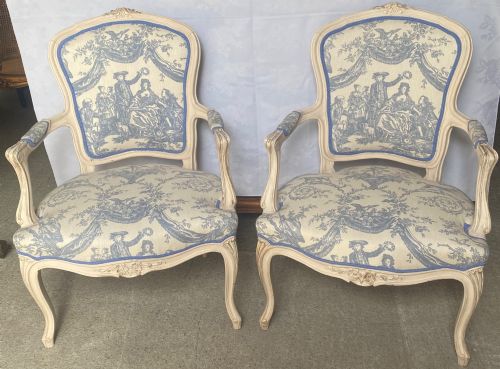
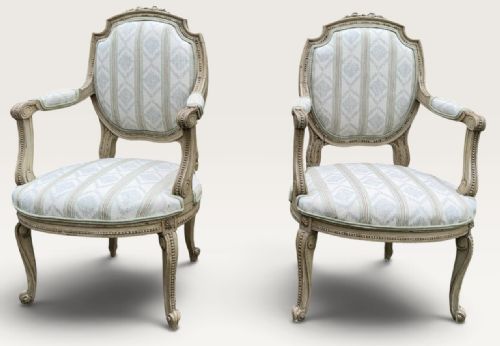
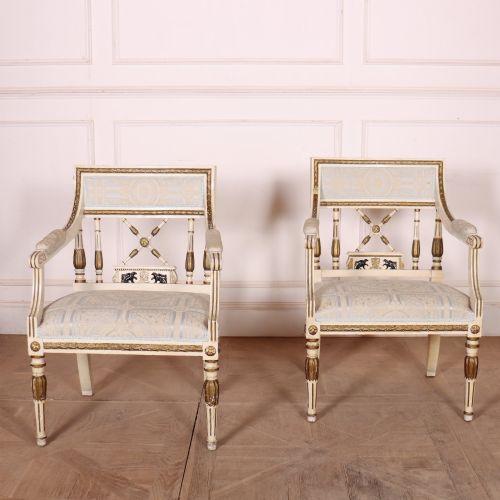
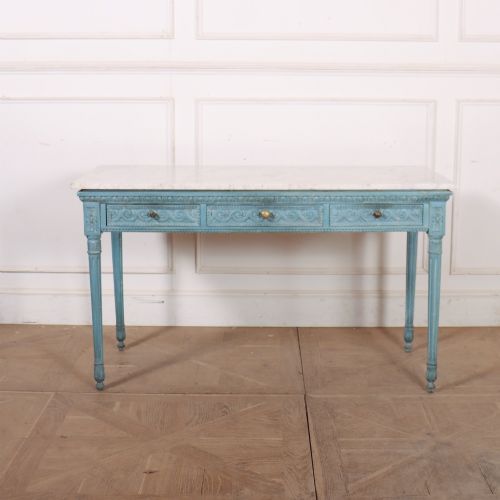
Blue painted wood describes objects and furniture surfaced with pigment across periods spanning the eighteenth, nineteenth, and twentieth centuries. Buyers seeking this phrase encounter items ranging from French salon seating and armchairs to pine panels, console tables, and storage cupboards.
The selections reflect various regional aesthetics including English country, French provincial, and Swedish Empire styles. Pieces often display original surface treatments that reveal the age and history of the timber beneath.
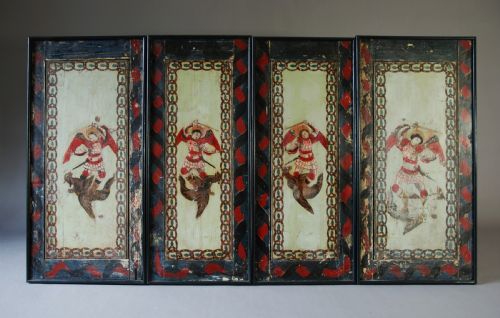
Forms vary from utilitarian storage cabinets and apothecary chests to decorative architectural panels and seating. Each item demonstrates how historical makers utilised colour to alter the presence of wooden furniture within domestic interiors.
Materials and construction methods
Makers utilised solid timbers such as pine, teak, cedar, and assorted hardwoods to construct foundational frames, storage carcases, and seating. Surfaces were then prepared to receive oil paint, water-based finishes, or decorative pigment layers.
Joinery techniques relied on traditional methods appropriate to the period, securing panels, tabletops, and chair frames before application of the coloured finish. The interaction between the natural wood substrate and the overlying paint layer creates the distinct visual depth observed in these pieces.
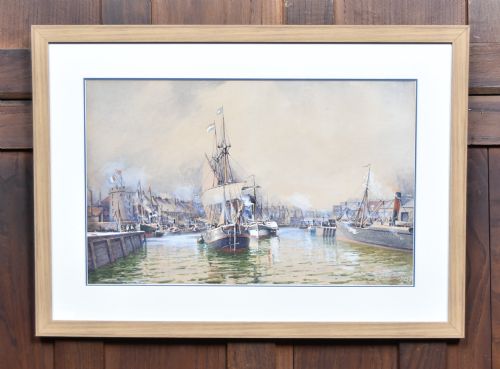
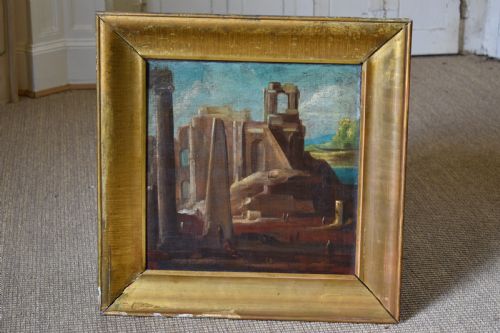
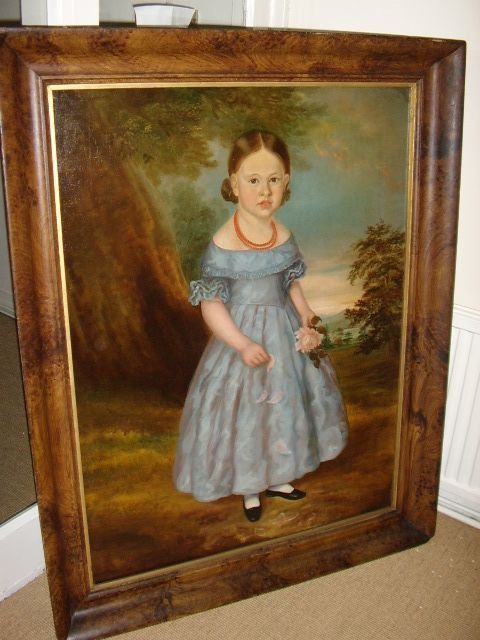
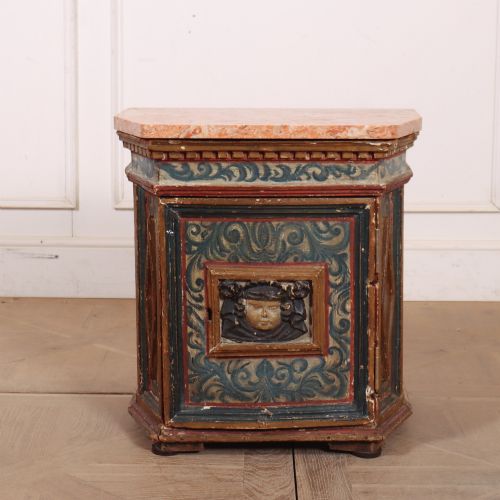
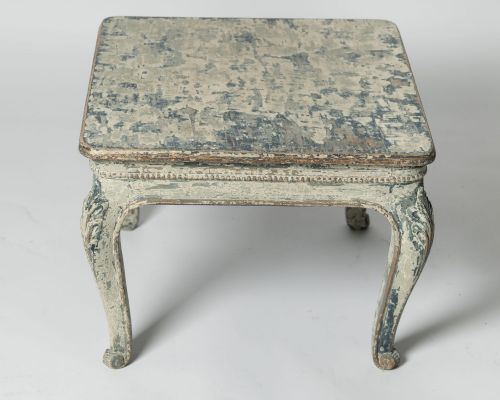
Listings span the 18th, 19th, and 20th centuries, featuring wood, paint, and canvas across forms like armchairs, tables, and panels.
Determinants of quality
Quality rests upon the integrity of the underlying woodwork and the authenticity of the surface finish. Pieces retaining their initial pigment layer command greater interest than later repainted surfaces, as original coatings preserve the genuine texture of age.
Proportion, decorative detail, and structural balance also divide standard items from superior examples. Skilled joinery combined with well-preserved surface patination distinguishes finer historic furniture and architectural panels from simpler utilitarian objects.
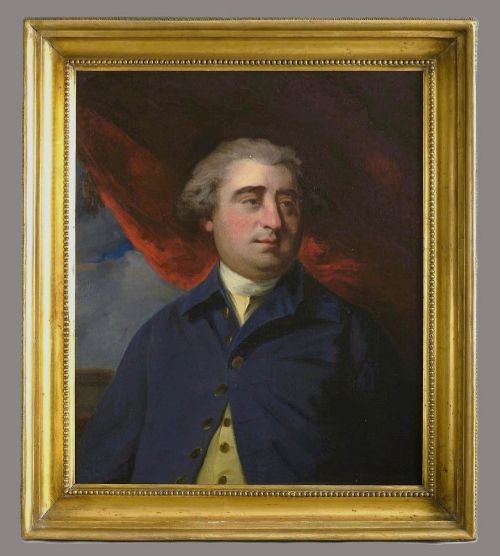
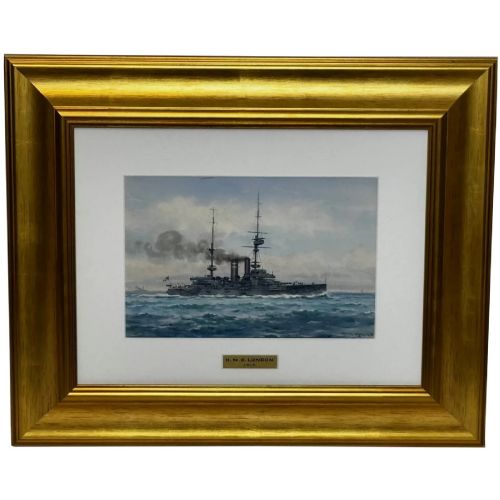
Thomas Murray·Sir Joshua Reynolds·Allan Ramsay·Frank Watson Wood·Thomas Spinks
The Blue Painted Wood Glossary
- Original paint
- A surface coating applied when the object was first made, untouched by later decoration. This finish preserves authentic wear and historic colour depth.
- Pine
- A softwood commonly utilised for cabinetry, panels, and carcases due to its availability and suitability for receiving paint. It forms the base of many historic decorative panels.
- Console table
- A wall-mounted or freestanding table designed to stand against a vertical surface. These often feature painted wooden frames and decorative tops.
- Panel
- A flat section of wood, sometimes carved or painted, used in walls, furniture, or cabinet construction. Historic examples frequently depict narrative scenes or decorative motifs.
- Patina
- The surface sheen and textural change acquired by wood and paint over decades of handling and exposure. It serves as an indicator of genuine age.
Blue Painted Wood: Frequently Asked Questions
How do I care for painted wood surfaces?
Maintain painted wooden objects by dusting gently with a dry, soft cloth and avoiding harsh chemical cleaning agents.
Keep pieces away from direct sunlight and fluctuating humidity to protect both the timber substrate and the historic pigment layers.
Are these painted finishes original?
Many items retain their original surface coatings applied during manufacture, while others show later decorative updates.
Examining the wear patterns and interaction between the paint and wood helps determine the age of the finish.
Where were these painted pieces made?
The selection includes items produced across various European regions and international workshops, reflecting distinct regional tastes.
French, English, Swedish, and Indian origins account for the differing styles and cabinetmaking techniques found among the listings.
How do I date a piece of painted furniture?
Dating relies on assessing the construction methods, joinery style, timber species, and characteristics of the surface paint.
Comparing the hardware and overall proportions to documented historical examples provides a reliable timeframe for manufacture.