


Blue Ocean Oil Painting
A blue ocean oil painting captures the vast movement and light of open water through pigment and brushwork.
Blue Ocean Oil Painting
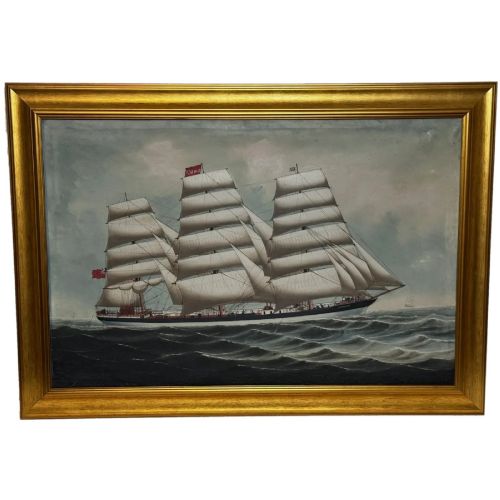
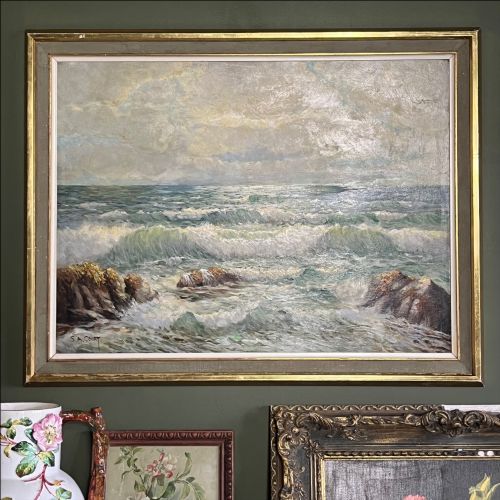
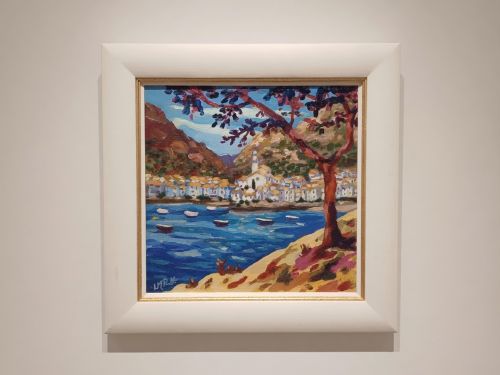
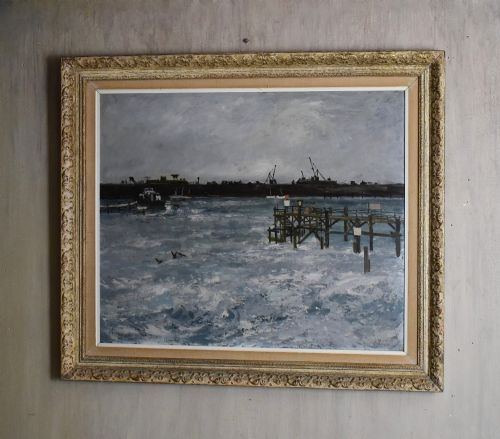
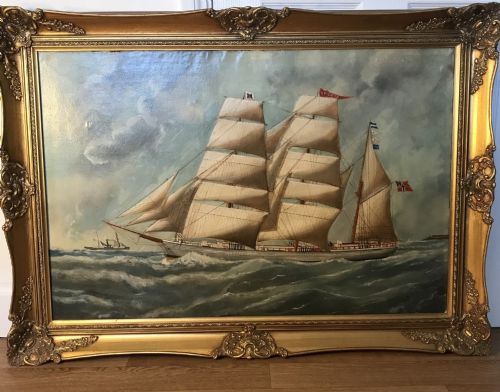
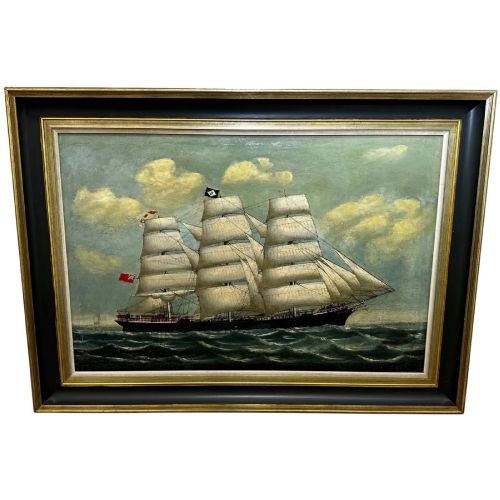
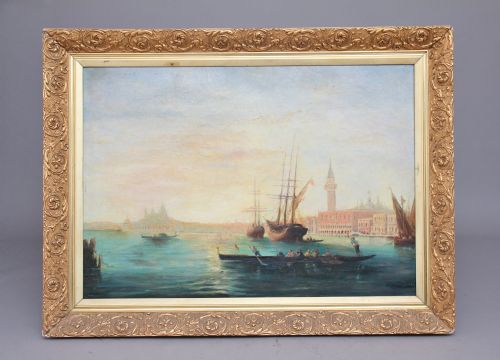
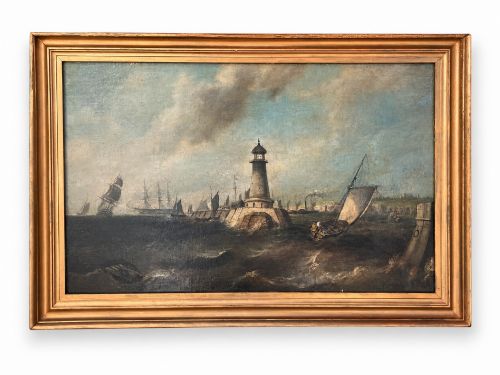
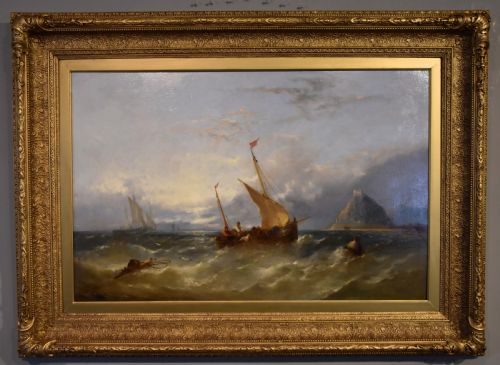
A blue ocean oil painting brings maritime scenes, coastal views, and open seas directly onto canvas or board. These works range from calm Mediterranean lagoons and Cornish harbours to dramatic nineteenth century storms involving steamers, clippers, and fishing trawlers.
Buyers meet examples spanning the Victorian period through to the mid twentieth century, encompassing British Impressionism, Post-Impressionism, and maritime realism. Many pieces record specific vessels, named shipping lines, or recognizable coastal locations across Britain and Europe.
Materials and technique
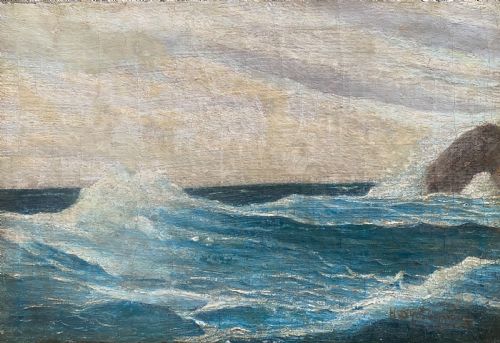
Artists built these marine subjects primarily using oil paint applied to prepared canvas, wooden panels, or rigid boards. The medium allowed painters to capture shifting light on water, atmospheric haze, and heavy seas through varied brushwork and occasional impasto texture.
Gilt frames frequently complement the oil on canvas works, adding a formal boundary to the expansive water and sky compositions. Painters often worked en plein air along coastal cliffs and piers to observe the direct movement of the sea.
Blue Ocean Oil Painting Retail Price Guide 2026
Typical asking prices for blue ocean oil painting among the pieces listed under this phrase on Sellingantiques today, from the lower quarter to the upper quarter. They describe what is for sale here now, not the wider market.
The listings span from the nineteenth century through the 1960s, utilising canvas, board, and wood with oil paint.
Assessing quality
The strength of a blue ocean oil painting rests in the handling of light, water movement, and atmospheric depth rather than mere scale or subject matter. Superior works demonstrate a confident understanding of maritime architecture, rigging, and hull forms set within convincing weather conditions.
The distinction between standard decorative maritime pieces and finer works lies in the expressive vitality of the brushwork and the structural integrity of the composition. Skilled artists convey the weight of heavy seas and the specific quality of light on the Mediterranean or Cornish coast with precision.
Reginald Arthur Borstel·Sidney A Court·Peter Brannan·William Henry Williamson·Charles Napier Hemy·Daniel Sherrin·Charles Malfroy·Stephen J Renard·Gustave De Breanski·George Gregory
The Blue Ocean Oil Painting Glossary
- Impasto
- Paint applied thickly to a canvas or board, standing out in relief from the surface. This technique gives texture to breaking waves and churning ocean water.
- En plein air
- The practice of painting outdoors directly from the subject. This approach allowed artists to capture immediate coastal light and atmospheric conditions.
- Pierhead painting
- A detailed portrait of a specific ship, often commissioned by its captain or owner. These works historically recorded vessels arriving or departing from port.
- Maritime realism
- An artistic style focused on accurate depiction of ships, coastal topography, and marine weather. It requires precise technical knowledge of naval architecture and rigging.
- Post-Impressionism
- An art movement extending beyond impressionist methods to emphasise geometric forms and expressive use of colour. Applied to marine subjects, it highlights the structural rhythms of waves and hulls.
Blue Ocean Oil Painting: Frequently Asked Questions
What is a marine painting?
A marine painting depicts ships, harbours, coastal landscapes, and open water scenes. These works focus on humanity's relationship with the sea through historical vessels and coastal weather.
Such artworks range from documentary depictions of specific steamships and clippers to expressive studies of waves and shorelines by impressionist artists.
How do I date an oil painting?
Dating relies on the stylistic clues within the brushwork, the type of canvas or board substrate, and the framing methods. Depicted ships and maritime technology also offer reliable chronological markers.
Pictorial evidence such as clothing styles in accompanying figures or named vessels tied to specific shipping lines helps narrow the creation period.
Where should I hang a seascape?
Seascapes suit spaces with good natural light that complements the atmospheric tones of water and sky. Wall placement should consider the horizon line relative to eye level.
Pairing these paintings with traditional wooden interiors or neutral walls allows the pigment and gilt framing to stand out without competing visual clutter.
How do I care for oil on canvas?
Oil paintings require stable indoor humidity and protection from direct sunlight to prevent cracking in the paint layers. Dusting should be done gently with a dry, soft brush.
Avoiding harsh cleaning agents and keeping the canvas away from excessive heat sources preserves the structural integrity of both the paint and the underlying support.