





Blue Occasional Chair
A blue occasional chair brings a touch of period colour and practical seating to a corner.
Blue Occasional Chair
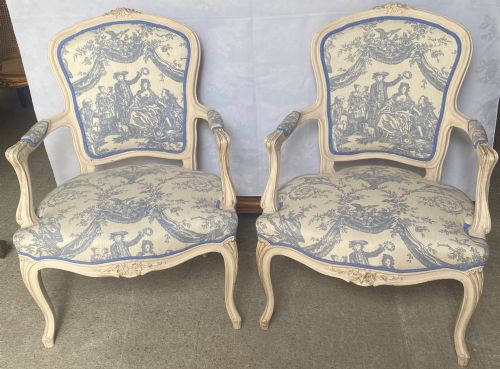
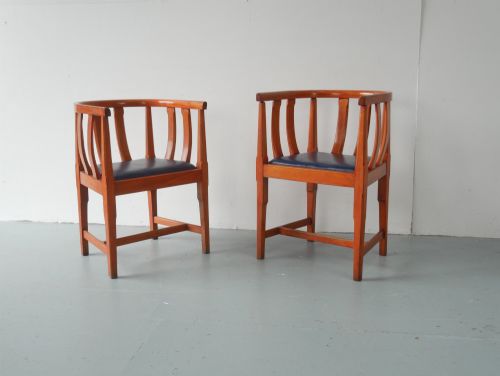
Buyers encounter pieces originating from around 1860 up to 1900, reflecting periods such as the Victorian and Edwardian epochs alongside French revival styles. Forms include pairs of salon chairs, carved oak hall chairs, and inlaid mahogany armchairs.
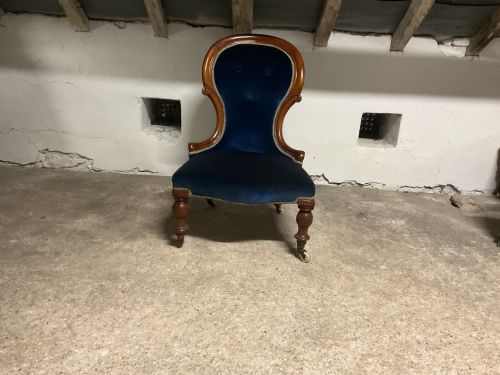
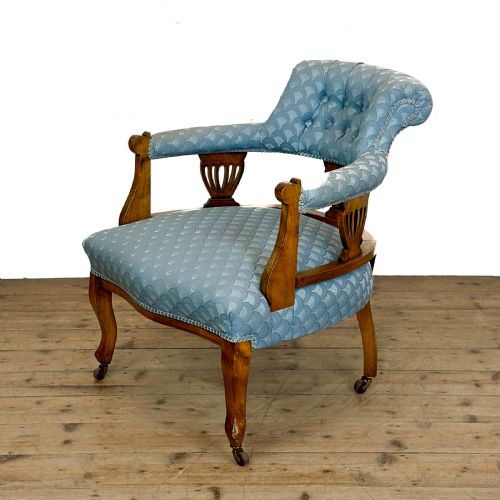
The blue element appears across various modern and period fabric coverings, from velvet and cotton toile to geometric upholstery placed upon mahogany, walnut, oak, painted beech wood, and gilt frames.
How they were made
Makers constructed the frames of these chairs using traditional timbers like mahogany, walnut, and oak, alongside painted beech wood and gilded structures. Detail work involved carving, turning on front legs, and incorporating brass castors or inlaid woodwork.
Upholstery techniques varied by form, utilising fabrics such as velvet, cotton toile, and patterned textiles applied over sprung or padded seats. Frames often display stylistic influences from French Rococo Revival, Louis XV Revival, Regency, and Victorian Gothic Revival traditions.
Blue Occasional Chair Retail Price Guide 2026
Typical asking prices for blue occasional chair among the pieces listed under this phrase on Sellingantiques today, from the lower quarter to the upper quarter. They describe what is for sale here now, not the wider market.
Several Victorian chairs come equipped with brass castors, ready for sudden movements across the parlour floor.
What varies in quality
Quality in these chairs rests upon the crispness of the timber carving, the integrity of the frame construction, and the balance of proportions. Finer pieces display sophisticated details like turned front legs with castors, intricate inlay, or gilt scroll arms.
The standard of upholstery and the choice of covering material also differentiate examples, where traditional fabrics like cotton toile or velvet sit harmoniously with period woodwork.
The Blue Occasional Chair Glossary
- Occasional chair
- A light, movable seat designed to be used in various rooms as needed rather than assigned to a permanent place. These chairs often take forms such as salon chairs or boudoir seats.
- Nursing chair
- A low-seated Victorian chair originally designed for comfort while feeding infants. They frequently feature upholstered seats and low backs.
- Slipper chair
- A low-framed bedroom chair originally used while putting on shoes or slippers. They typically lack arms and sit close to the floor.
- Gesso
- A plaster-based material applied to wooden frames before gilding or painting. It provides a smooth surface for decorative finishes.
- Cotton toile
- A traditional fabric featuring printed pictorial designs, often in blue on a light background. It appears on period upholstery.
Blue Occasional Chair: Frequently Asked Questions
Where should I place an occasional chair?
These compact chairs suit bedrooms, dressing rooms, and corners of living spaces where extra seating is useful. Their lighter frames make them straightforward to reposition.
They work well alongside larger upholstery or as single decorative accents in a hallway or parlour.
How do I care for antique upholstery?
Regular gentle vacuuming with a soft brush attachment helps remove dust from fabric surfaces. Direct sunlight should be avoided to prevent fading of the textile colours.
Wooden frames benefit from occasional dusting with a dry cloth to maintain the finish of mahogany, walnut, or oak.
What is the difference between a nursing chair and a salon chair?
Nursing chairs sit exceptionally low to the ground and were traditionally used in bedrooms or nurseries. Salon chairs are designed for formal reception rooms and often feature upright frames.
Both serve as decorative occasional seating today, though their original domestic functions varied.
Can these chairs be used daily?
Period chairs constructed from solid timbers like mahogany and oak remain sturdy for regular sitting. Checking that joints are stable ensures lasting structural integrity.
Their smaller scale makes them ideal for spaces where bulky armchairs would overwhelm the room.