



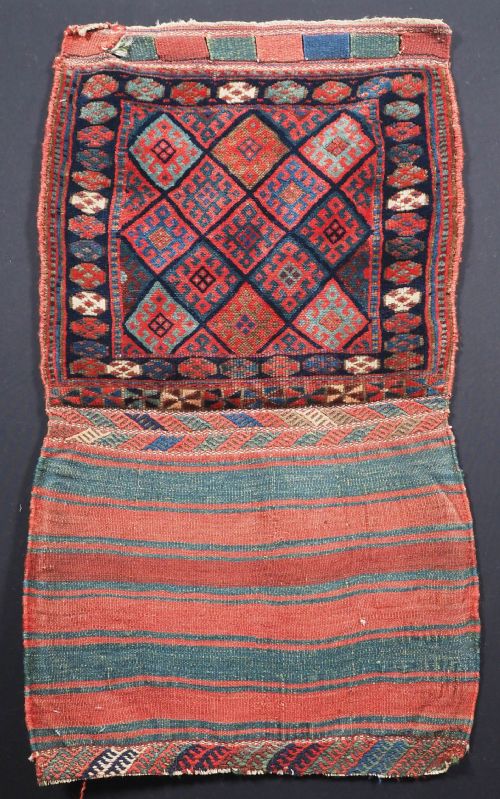


Blue Kurdish Weaving
These pieces of blue kurdish weaving are resilient village and tribal textiles that bring rich indigo tones and robust geometric character to an interior.
Blue Kurdish Weaving
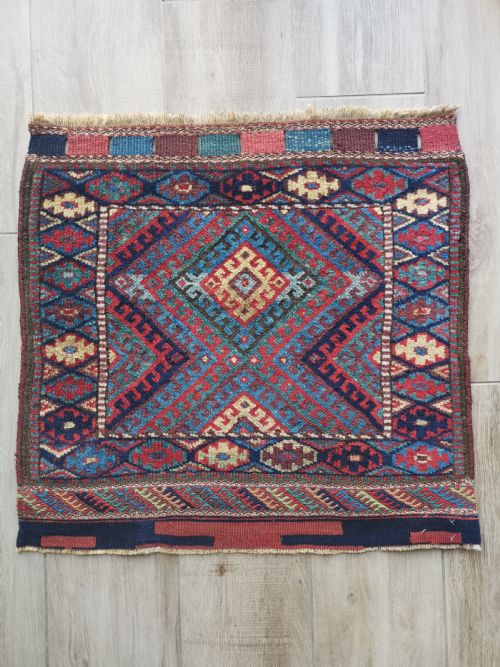
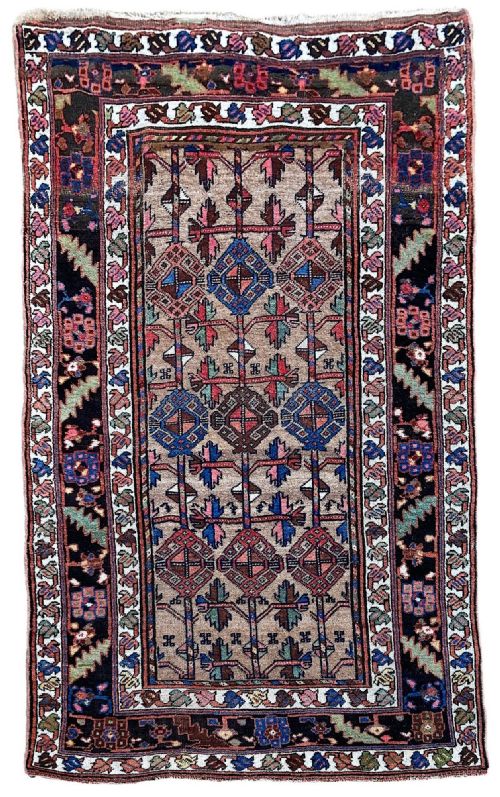
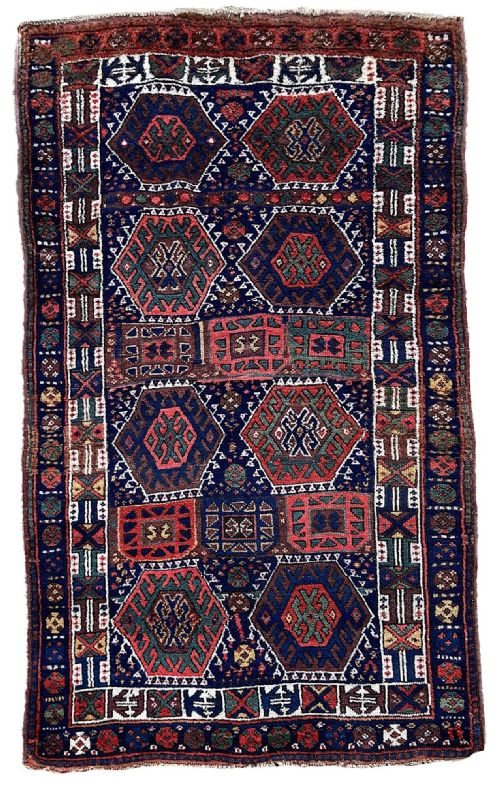
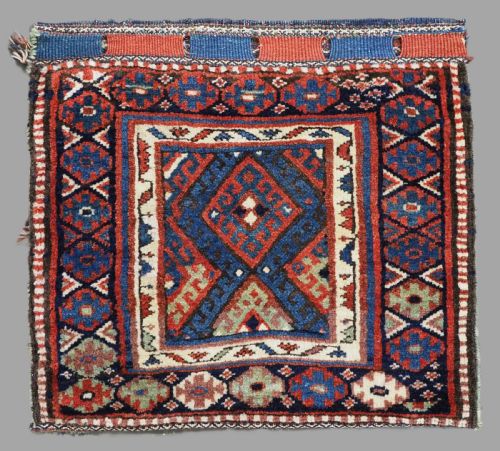
Blue kurdish weaving encompasses traditional rugs, runners, kelims, saddlebags and wheat sacks produced by tribal groups across regions such as Persia and East Anatolia. Buyers searching this phrase encounter examples originating from the nineteenth century up through the early twentieth century, spanning periods including 1870, 1880, 1890, 1900, 1910 and 1920.
The most common formats on this page are village rugs and practical utility items like bag faces, which showcase distinctive tribal patterns, shrub motifs, and Memling-type güls. These items range from compact scatter rugs to substantial long rugs and kellehs suitable for corridors and large rooms.
What Varies in Quality
The density and fineness of the knotting distinguish standard village output from superior tribal weaving, affecting how sharply the geometric motifs and medallion lines resolve. Finer examples display meticulous execution in complex borders and balanced proportions across the field.
Depth and saturation of the natural dyes create variance in visual impact, alongside the overall integrity of the wool and completeness of original edges or plain weave backs. Pieces maintaining strong structural health alongside expressive design occupy the upper tier of the range.
Blue Kurdish Weaving Retail Price Guide 2026
Typical asking prices for blue kurdish weaving among the pieces listed under this phrase on Sellingantiques today, from the lower quarter to the upper quarter. They describe what is for sale here now, not the wider market.
Some wheat sacks survive entirely intact with their plain weave backs, proving that grain storage could double as folk art.
The Blue Kurdish Weaving Glossary
- Bag face
- The decorative front panel of a tribal storage sack, preserved after the plain weave back wore away or was separated. These portable pieces often contain concentrated tribal designs.
- Soumak
- A flatweaving technique that wraps supplementary weft threads over the warp to create a textured, durable surface. This method produces strong rugs and kilims without a raised pile.
- Kelleh
- A large format long rug traditionally used in Middle Eastern interiors to span specific floor areas. They typically feature extended proportions and elaborate field patterns.
- Gul
- A medallion or repeating octagonal motif used extensively in tribal rug design. Each motif often identifies a specific weaving group or tradition.
Blue Kurdish Weaving: Frequently Asked Questions
How were these bags used?
Nomadic and village communities utilised these woven containers for storage and transport inside tents or homes. They held grain, household goods, or personal belongings during seasonal migrations.
Over time, many bags separated into individual front panels as the plain weave wool backs deteriorated from heavy use. Today, collectors preserve these surviving bag faces as decorative wall hangings or compact floor rugs.
How do I style a tribal runner?
Runners and long rugs suit narrow architectural spaces such as hallways, corridors, and gallery landings. Their linear formats draw the eye through a room while protecting high-traffic wooden floors.
Pairing these textiles with neutral interiors allows the indigo blues and geometric motifs to stand out. Their sturdy construction ensures they withstand regular footsteps when placed correctly with a suitable underlay.
How do I care for antique wool rugs?
Regular gentle vacuuming without a rotating brush bar removes embedded dust and protects the natural wool pile. Keeping the textile out of direct sunlight prevents the indigo and accent dyes from fading over time.
Professional cleaning tailored to antique pile and flatweave textiles maintains the integrity of the natural materials. Allowing air circulation underneath prevents moisture retention in domestic settings.