



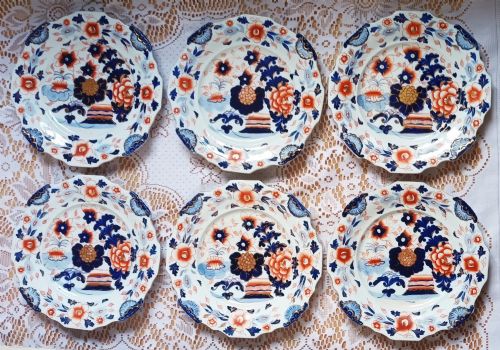


Blue Ironstone Pottery
Blue ironstone pottery brings durable nineteenth century utility and bold transfer printed or hand painted design to the table.
Blue Ironstone Pottery
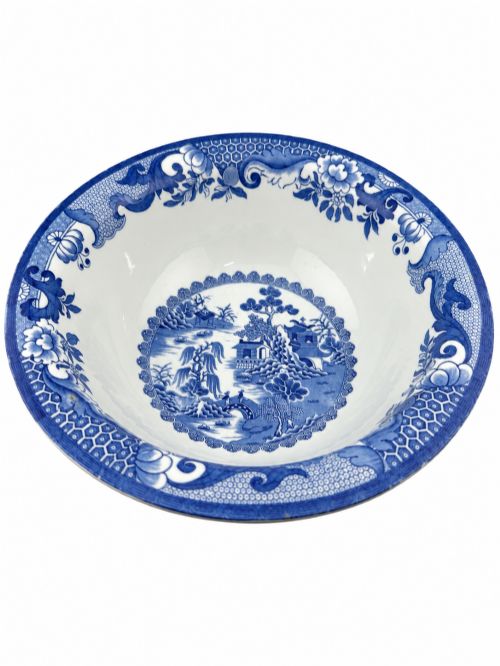
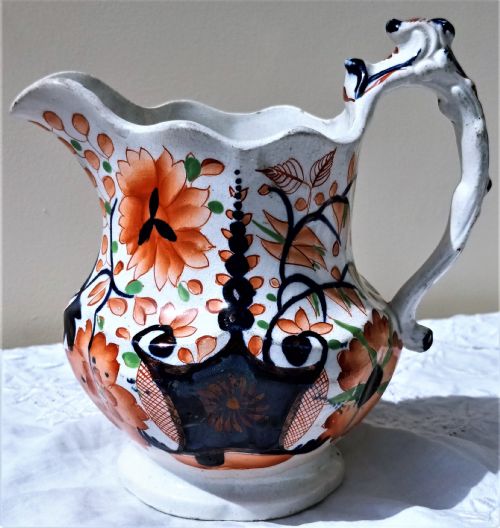
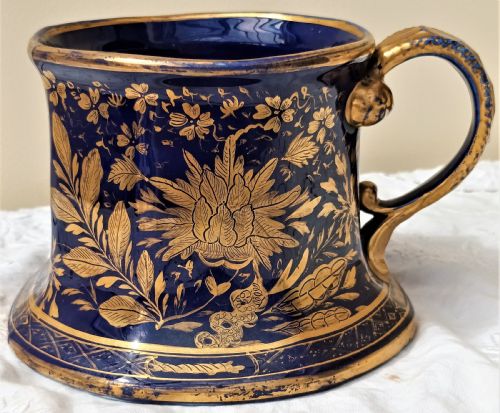
Blue ironstone pottery encompasses robust ceramic vessels, plates, jugs, and decorative pieces dating from the nineteenth century, including the Regency and Victorian eras. These items served practical domestic and dining purposes while displaying rich blue decoration in styles such as Chinoiserie, Gaudy Welsh, and flow blue.
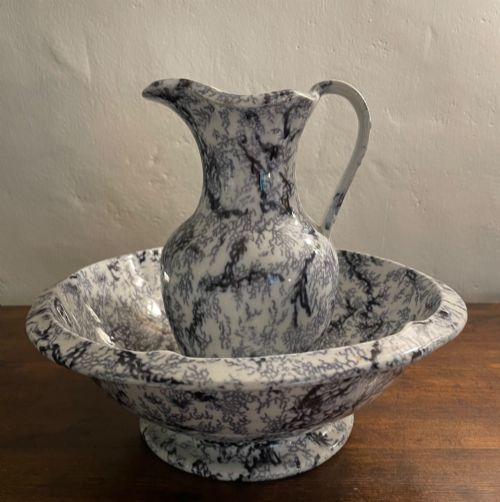
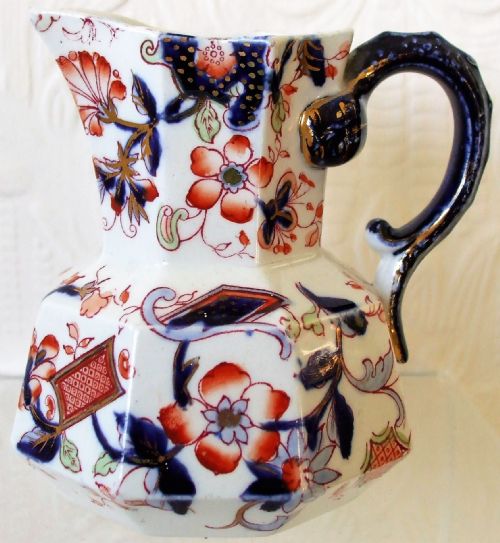
The pieces you will encounter most frequently on this page are jugs, pitchers, plates, and soup bowls created by prominent English potteries. Common forms range from octagonal jugs and Hydra jugs to large wash basins, lidded tureens, and cheese dishes.
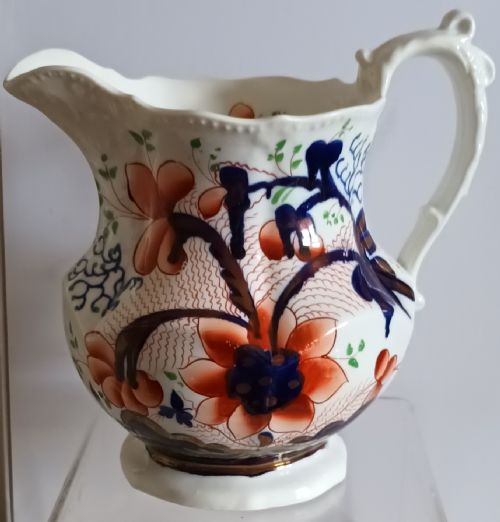
Makers utilised various patterns like the Schoolhouse design, Bethesda, Pagoda, and Penang to adorn these heavy earthenware and stoneware bodies. Collectors find both individual serving dishes and matched sets spanning the 1800s to the early 1900s.
Materials and production techniques
Potters manufactured these objects using dense ironstone, ceramic, earthenware, and stoneware bodies designed to withstand daily wear while providing a stable canvas for decoration. Glaze sealed the porous clay base, creating a smooth surface that protected the underlying pigments.
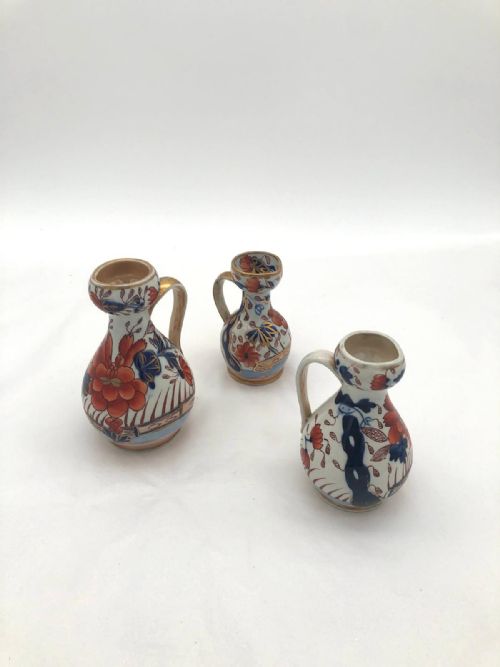
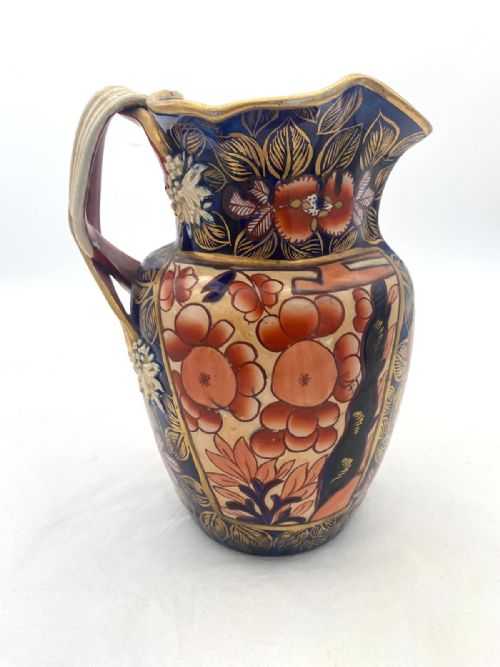
Makers applied blue coloration through transfer printing, which allowed for intricate patterns such as flow blue and Chinoiserie scenes. Selected pieces received additional embellishment using gold leaf, gilt, and hand painted highlights over the fired glaze.
Blue Ironstone Pottery Retail Price Guide 2026
Typical asking prices for blue ironstone pottery among the pieces listed under this phrase on Sellingantiques today, from the lower quarter to the upper quarter. They describe what is for sale here now, not the wider market.
Officers in the Royal Navy once dined from mess bowls adorned with the same sturdy ironstone spirit found in domestic farmhouse kitchens.
Assessing quality in the range
Quality separates through the crispness of the transfer print and the precision of any hand painted detailing or gilding applied over the glaze. Earlier pieces often display deeper cobalt tones and sharper relief moulded forms, particularly on specialised shapes like Hydra jugs.
The integrity of the heavy ironstone body and the evenness of the glaze application determine the overall refinement of a vessel. Complete sets, matched pairs, and pieces retaining bright gold leaf or distinct maker marks command greater attention from collectors.
Mason's Ironstone·Keeling and Co.·John Ridgway·Spode·Davenport
The Blue Ironstone Pottery Glossary
- Ironstone
- A heavy, durable type of earthenware patented in the nineteenth century to rival true porcelain. It offers high resistance to chipping and forms the sturdy body for many jugs and plates.
- Flow blue
- A nineteenth century printing technique where cobalt blue pigment blurred slightly into the surrounding white glaze during firing. This chemical reaction created a soft, misty aesthetic highly prized on plates and jugs.
- Transfer print
- A method of applying complex decorative patterns to ceramics by engraving a copper plate, inking it, and transferring the image via tissue paper onto the biscuit fired clay. It revolutionised mass production of blue and white wares.
- Hydra jug
- A specific ceramic vessel shape featuring a serpent shaped handle and bulbous body, frequently produced by makers like Mason's. These jugs often display elaborate moulded details and rich blue patterns.
- Gaudy Welsh
- A style of colourful pottery featuring cobalt blue transfer print combined with bright hand painted iron-red and green enamels, often incorporating copper lustre. It was produced extensively during the nineteenth century.
Blue Ironstone Pottery: Frequently Asked Questions
What is blue ironstone pottery?
Blue ironstone pottery is a durable nineteenth century ceramic ware combining heavy earthenware bodies with blue transfer printed or hand painted decoration. These pieces include functional tablewares, large wash basins, and decorative vessels.
Potters across England produced these items to serve everyday household needs while incorporating popular aesthetic movements like Chinoiserie and Regency styles.
How do I identify nineteenth century pieces?
Nineteenth century pieces typically display dense ironstone bodies, deep cobalt blue transfer printing, and impressed or printed maker marks on the underside. Stylistic cues such as Regency shapes or Victorian patterns help narrow the timeframe.
Examining the weight, glaze characteristics, and potting techniques provides further context for dating individual jugs, plates, and tureens.
Were these items used daily?
These ceramic vessels were manufactured primarily for practical domestic utility in kitchens, dining rooms, and bedrooms. Items like soup bowls, cheese dishes, and wash basins saw active service in nineteenth century homes.
Despite their heavy daily use, the robust nature of ironstone allowed many serviceable examples to survive in good condition for modern collectors.
What are common patterns found?
Common patterns include architectural Chinoiserie designs like Pagoda and Schoolhouse, alongside floral and exotic motifs such as Penang and Bethesda. Flow blue printing and Japan pattern motifs also appear frequently across plates and jugs.
These decorative schemes defined the visual appeal of nineteenth century English dining tables and display cabinets.