

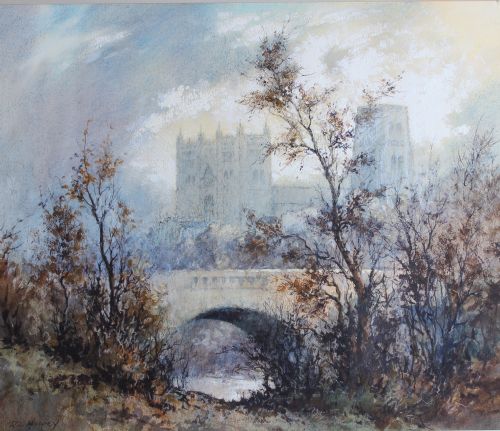


Blue Grey Landscape Picture
A blue grey landscape picture captures atmospheric vistas through subtle tones, offering buyers a serene piece of history for the home.
Blue Grey Landscape Picture
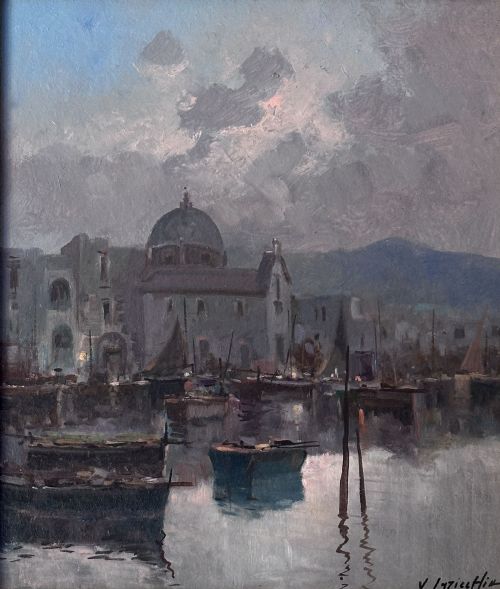
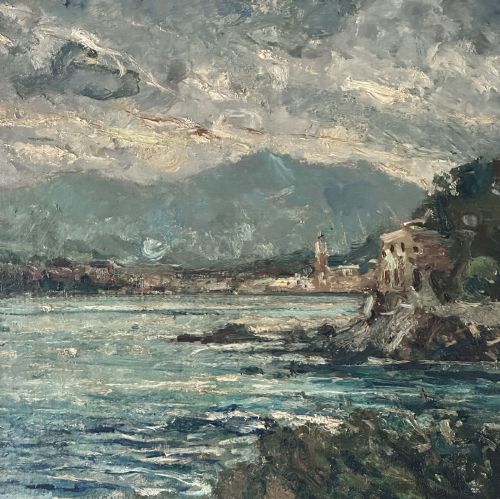
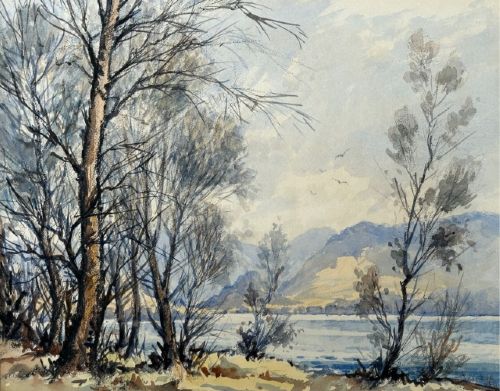
A blue grey landscape picture brings together atmospheric coastal scenes, quiet rivers, and distant mountains captured across the nineteenth and twentieth centuries. These works range from Victorian coastal watercolours to mid-century British impressions.
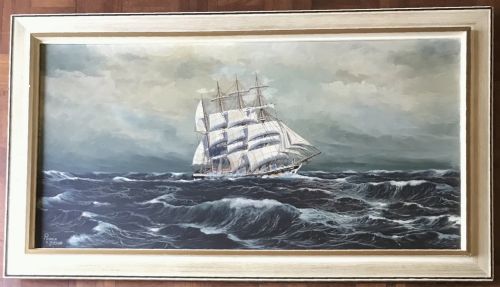
Buyers will encounter framed wall art executed in watercolour paint, oil paint, and pastel on paper or canvas. The selection spans topographical views of British lakes, harbours, and European waterways.
Works originate from various periods including the Victorian era, the early twentieth century, and the nineteen-fifties. Painters apply these muted palettes to depict maritime scenes, village streets, and architectural landmarks.
How they were made
Artists utilise watercolour pigment and oil paint applied to paper, canvas, and wood panels. Watercolours rely on translucent washes to build atmospheric light, while oils provide heavier texture and depth.
Support materials include aged paper and stretched canvas housed beneath glass or within traditional wood frames. Pastel works also appear, employing dry pigments to achieve soft, misty effects.
Blue Grey Landscape Picture Retail Price Guide 2026
Typical asking prices for blue grey landscape picture among the pieces listed under this phrase on Sellingantiques today, from the lower quarter to the upper quarter. They describe what is for sale here now, not the wider market.
Several artists captured boats resting in the mud, proving that even a stranded vessel makes for a peaceful composition.
What varies in quality
Quality rests upon the artist's command of light, tone, and spatial depth within the composition. Stronger examples demonstrate confident brushwork and a secure grasp of atmospheric perspective.
The preservation of the pigment and the condition of the supporting paper or canvas influence the piece. Works that retain their original tonal balance without excessive fading command greater attention.
Robert Leslie Howey·Arthur Reginald Smith·Rowland Henry Hill·James Watson·Frederick Stuart Richardson·William Kay Blacklock·Frank Wasley·Hirst Walker·Fred Stead·Noel Harry Leaver·Robert Winchester Fraser·Claude Muncaster·Herbert James·Sonia Lawson·Carleton Grant·Tom Dudley·Thomas Bush Hardy·John D Walker·John Baragwanath King·Henry Bright
The Blue Grey Landscape Picture Glossary
- Watercolour
- A paint consisting of a pigment suspended in a water-soluble vehicle. It is typically applied to paper to create transparent washes of colour.
- Oil paint
- A slow-drying paint made by mixing pigments with a drying oil such as linseed. This medium allows for thick impasto marks as well as subtle blending.
- Pastel
- A painting medium in the form of a stick, consisting of powdered pigment and a binder. It produces a velvety surface with soft transitions.
- Impressionism
- A style of painting that focuses on the visual impression of the moment, especially the shifting effect of light and colour. Works in this manner emphasise loose brushstrokes over sharp detail.
Blue Grey Landscape Picture: Frequently Asked Questions
What subjects appear in these works?
The selections depict coastal harbours, lakes, rivers, and rural village scenes. Artists also record architectural landmarks and mountainous terrain.
Views often focus on specific locations across Britain and Europe, capturing regional light and weather conditions.
How should I frame a watercolour?
Watercolours require protection beneath glass and acid-free mounts to prevent moisture damage and fading. Keeping them away from direct sunlight preserves the paper and pigments.
Traditional wood frames suit the historical character of these nineteenth and twentieth-century paintings.
How can I tell the period?
Dating relies on stylistic clues, framing materials, and artist signatures recorded in the listings. Victorian pieces often carry heavier ornamentation, while mid-century works display simpler aesthetics.
Paper types and inscriptions on the reverse also offer guidance regarding the date of creation.
Where were these paintings displayed?
These works were originally created for domestic display in parlours, drawing rooms, and studies. They served to bring views of familiar countryside or travels indoors.
Today they suit similar residential settings, adding historical depth to modern or traditional interiors.