





Blue Glass Trinket
A blue glass trinket brings a striking flash of rich colour to a dressing table, combining utility with decorative elegance.
Blue Glass Trinket
When you search for a blue glass trinket, you enter a world of small storage containers designed for vanity tables and dressers, spanning from the Georgian era through to the Art Deco period. These pieces take many forms, including lidded vanity jars, dressing table pots, powder boxes, bon bon dishes, and small decorative bowls.
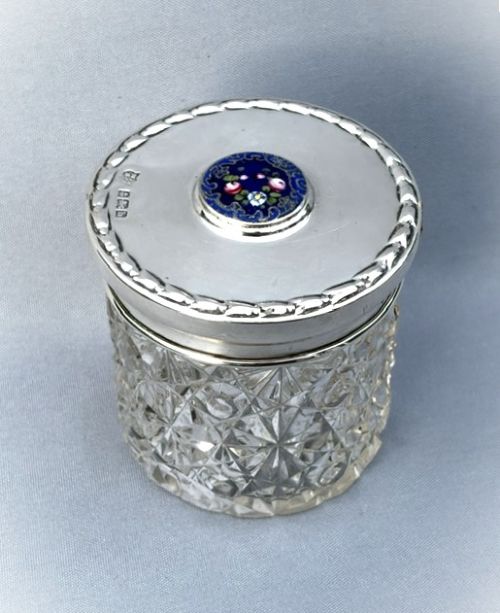
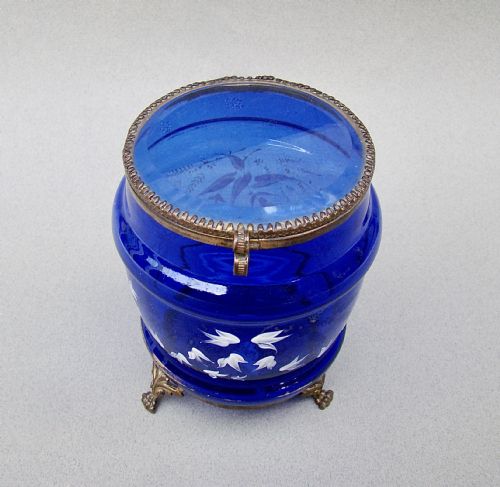
The most common examples you will encounter on this page date from the Edwardian period and the 1920s or 1930s, often enhanced with sterling silver mounts or detailed enamel work. French pieces from the nineteenth century also appear frequently, pairing rich cobalt or Bristol blue glass with ormolu mounts.
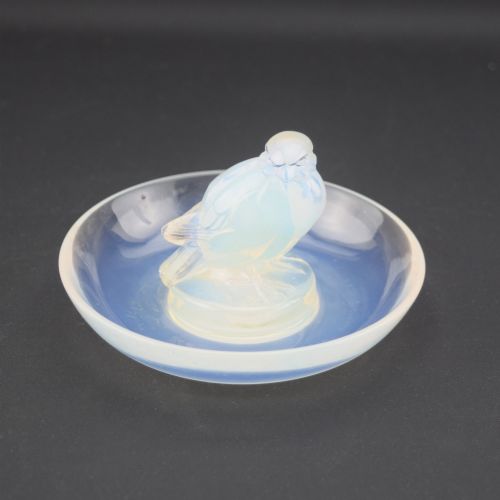
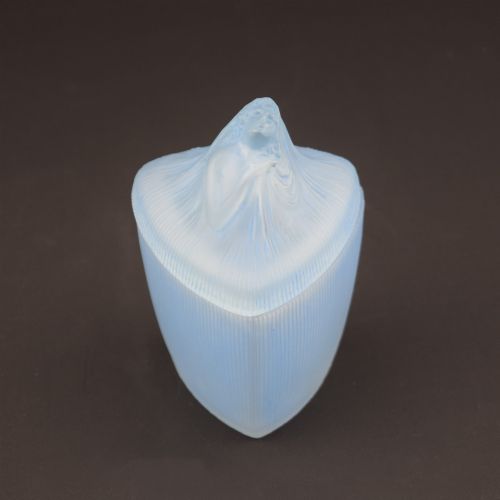
Collectors also find rarer works by notable designers such as Rene Lalique and Sabino, featuring opalescent moulded glass or specific moulded motifs. Each item served to hold small valuables, cosmetics, or pins, functioning as both personal storage and room decoration.
Materials and construction
Glass forms the core of these objects, utilising deep Bristol blue or cobalt tones, alongside clear cut glass and opalescent moulded variations. Makers shaped the glass through blowing, pressing, or cutting to achieve heavy facets or smooth translucent curves.
Many items incorporate sterling silver lids, rims, and mounts, often hallmarked to indicate the year and place of manufacture. Enamel work, particularly guilloche with its engine-turned geometric patterns under translucent blue enamel, frequently decorates the silver components.
Nineteenth-century French examples frequently employ ormolu, a gilded bronze, to frame and support the vibrant blue glass bodies. Eighteenth-century pieces rely on delicate copper-backed enamel panels set into small metal patch boxes.
Blue Glass Trinket Retail Price Guide 2026
Typical asking prices for blue glass trinket among the pieces listed under this phrase on Sellingantiques today, from the lower quarter to the upper quarter. They describe what is for sale here now, not the wider market.
A tiny trinket box once held the small fabric patches fashionable ladies stuck to their faces to hide blemishes.
Distinctions in quality
The weight and clarity of the glass set the foundation for a piece's quality, with crisper cuts and deeper, more uniform coloration marking superior examples. Fine moulded glass displays sharp relief in the design without blurring or surface distortion.
The integration between the glass and its metal mounts dictates much of the craftsmanship level. Secure, flush fittings of sterling silver or ormolu demonstrate higher skill than loose or heavily adapted components.
The preservation of applied decoration, particularly hand-painted enamel or engine-turned guilloche patterns, separates everyday items from exceptional works. Intact enamel free from chipping or heavy scratching elevates the standing of a jar or box.
Henry Clifford Davis·Rene Lalique·Sabino
The Blue Glass Trinket Glossary
- Guilloche enamel
- A decorative technique where a metal surface is engraved with intricate geometric patterns and coated with translucent enamel. This allows the pattern beneath to show through the coloured glass layer.
- Ormolu
- Gilded bronze used widely in French decorative arts to mount and accent glass and porcelain. It provides a rich golden contrast to deep blue glass.
- Bristol blue glass
- A distinct deep cobalt blue glass historically produced in Bristol during the eighteenth and nineteenth centuries. It gained renown for its rich coloration and use in decorative tableware and scent bottles.
- Opalescent glass
- Glass containing ingredients that cause it to milky-white or bluish glow when light strikes it from certain angles. Makers utilised this effect extensively in Art Deco decorative objects.
- Patch box
- A small lidded container originally used in the eighteenth century to hold small fabric patches worn on the face. These boxes often feature enamel lids and metal frames.
Blue Glass Trinket: Frequently Asked Questions
What were blue glass trinket jars used for?
These jars served on dressing tables to hold small personal items like hairpins, rings, and trinkets. They kept small valuables safe and tidy while adding a decorative splash of colour to the room.
Over time, their uses shifted as fashions changed, moving from functional cosmetic containers to purely decorative display pieces collected for their craftsmanship.
How do I date a silver and enamel trinket jar?
Silver mounts often bear hallmarks that include date letters, city marks, and maker's marks. These stamps provide a reliable method for determining the exact year and place of manufacture.
Stylistic indicators, such as the geometric patterns of the 1920s or the softer curves of the Edwardian era, help narrow down the period when hallmarks are absent.
Are these pieces made of solid silver?
The metal mounts, rims, and lids are typically made of sterling silver, often indicated by specific hallmarks like the lion passant in British pieces. The main body of the vessel consists of glass rather than metal.
Some continental pieces employ ormolu or plated metals instead of sterling silver, relying on gilt bronze to frame the glass.
How should I clean my antique glass trinket box?
Gentle dusting with a soft, dry cloth is usually sufficient for regular maintenance. Avoid submerging pieces with glued or fitted metal mounts in water, as moisture can damage adhesives and inner linings.
If washing the glass portion is necessary, use lukewarm water and mild soap, ensuring the metal parts remain dry to prevent tarnishing or corrosion.