

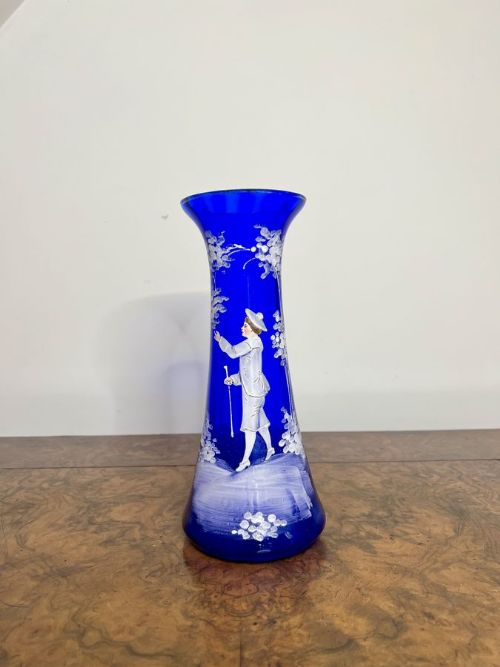


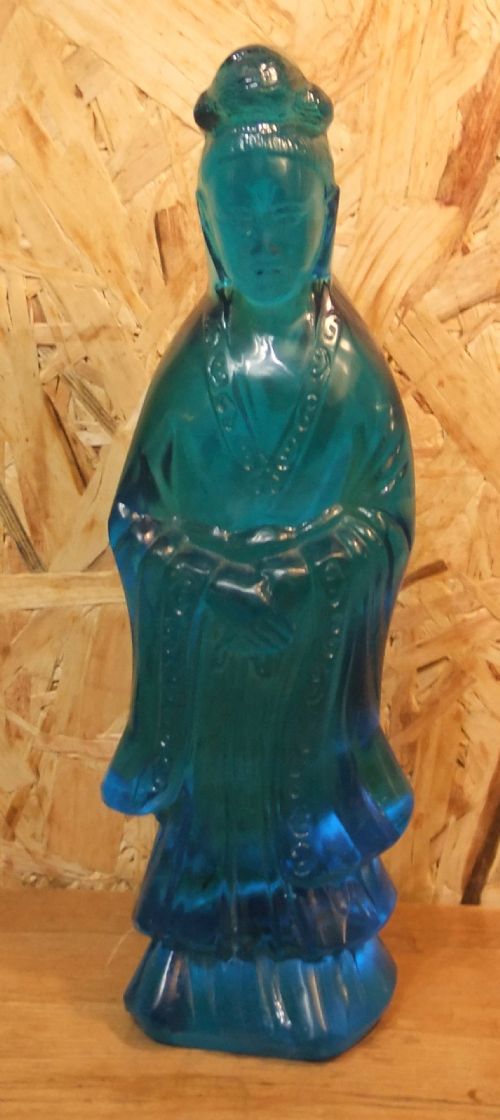
Blue Glass Ornament
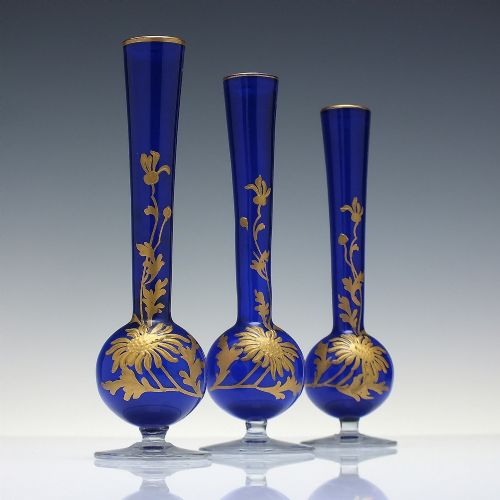
A blue glass ornament brings deep colour and catching light to a room, ranging from moulded car mascots to delicate cabinet vases.
Blue Glass Ornament
A blue glass ornament encompasses a diverse group of decorative objects shaped from coloured, opalescent, or iridescent material across various historical periods.
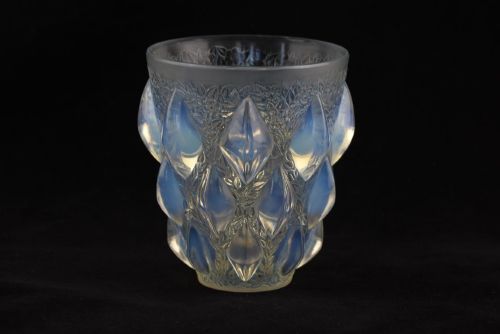
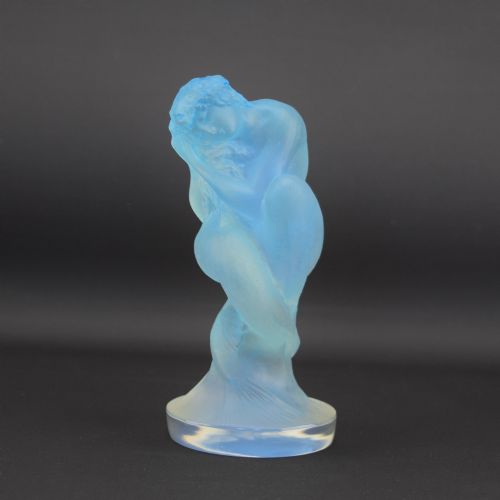
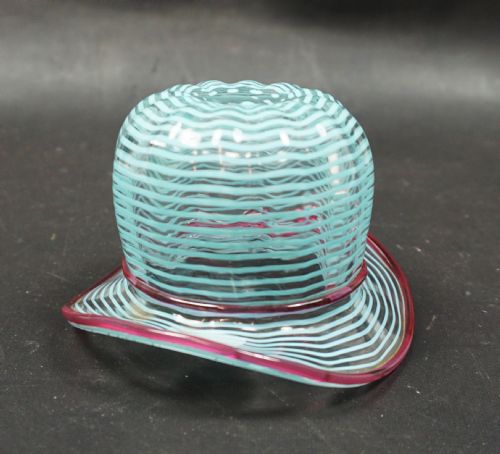
The buyer searching for a blue glass ornament will encounter nineteenth-century novelties like Nailsea hats, along with twentieth-century moulded pieces by makers such as René Lalique.
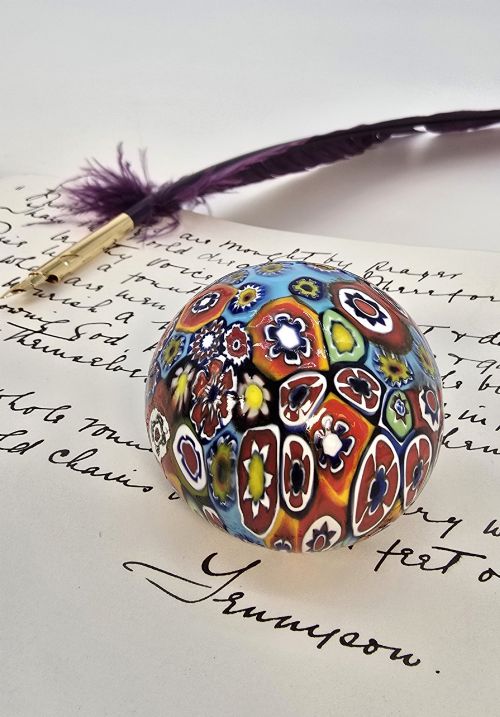
Forms span from practical glassware transformed into display items, such as vases and paperweights, to dedicated decorative sculptures and car mascots.
How they were made
Many of these pieces rely on free-blowing or mould-blowing techniques, frequently incorporating cane work or internal threads of coloured glass during the shaping process.
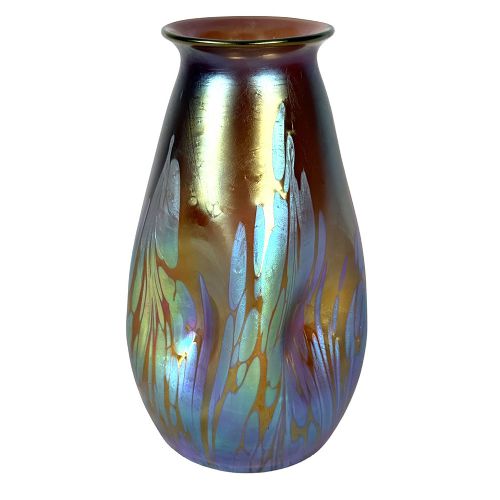
Makers utilised specialised chemical agents within the molten batch to achieve distinctive finishes, producing opalescent effects, iridescent surfaces, or rich turquoise and cobalt tones.
Surface detailing often involved hand-painted enamel elements or gilding applied after the initial firing and cooling of the glass body.
Blue Glass Ornament Retail Price Guide 2026
Typical asking prices for blue glass ornament among the pieces listed under this phrase on Sellingantiques today, from the lower quarter to the upper quarter. They describe what is for sale here now, not the wider market.
Witches balls were once hung in cottage windows to trap wandering spirits inside their glittering internal glass threads.
What varies in quality
The refinement of the silhouette and the depth of the optical effects dictate the standing of an individual piece within its type.
Moulded items achieve distinction through crispness of relief and careful control of opalescence, whereas blown glass relies on symmetry and the skillful distribution of colour.
Loetz·Rene Lalique·Webb
The Blue Glass Ornament Glossary
- Opalescent Glass
- Glass that exhibits a milky, translucent quality with blue or amber highlights when viewed in reflected light. This optical property was particularly favoured by twentieth-century makers.
- Cane Glass
- Glass incorporating parallel rods or threads of coloured glass fused into the body during forming. This technique creates striped or looped patterns across items like novelty hats.
- Iridescent Glass
- Glass treated with metallic salts while hot to produce a shimmering, rainbow-like surface sheen. It is a defining characteristic of many Art Nouveau vessels.
- Opaline Glass
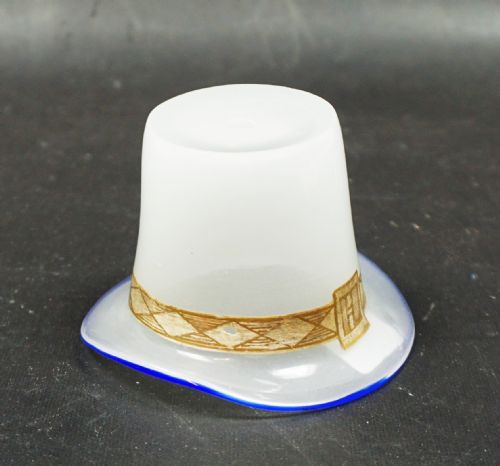
- An opaque or semi-translucent pale glass popular in nineteenth-century French production. It provides a smooth, porcelain-like ground for painted decoration or gilt bands.
Blue Glass Ornament: Frequently Asked Questions
What is a witches ball?
A witches ball is a hollow glass sphere traditionally hung in windows to ward off evil spirits and misfortune. These spheres often feature internal strands or coloured glass threads.
Over time, these functional folklore items transitioned into decorative objects displayed on stands or collected for their visual complexity.
How do I date a glass hat?
Nineteenth-century glass hats, such as those from Nailsea or French factories, typically display pontil marks on the base and distinct cane decoration or applied rims. Examining the manufacturing method helps separate nineteenth-century examples from later reproductions.
French opaline versions from the middle of the nineteenth century frequently combine delicate gilt bands with pale blue or white bodies.
What is a car mascot?
A car mascot is a heavy glass sculpture mounted onto the radiator cap of a luxury automobile during the early twentieth century. Makers like René Lalique produced these moulded pieces in opalescent or clear glass.
Many of these figures now serve as desk ornaments or paperweights when removed from their original automotive mounts.
How do I display blue glass?
Placing blue glass ornaments near a natural light source allows the translucent material and iridescent surfaces to project colour into the surrounding space. Cabinets with glass shelves work particularly well for grouping varied forms.
Because glass can be sensitive to sudden temperature shifts, keeping pieces away from direct, intense heat sources helps preserve their condition.