

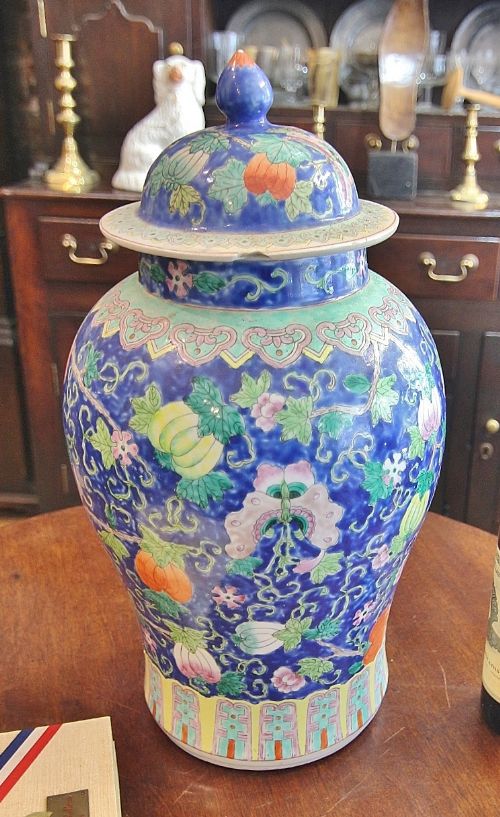


Blue Ginger Jar
A blue ginger jar delivers bold cobalt pigment and generous form, anchoring an interior with centuries of ceramic tradition.
Blue Ginger Jar
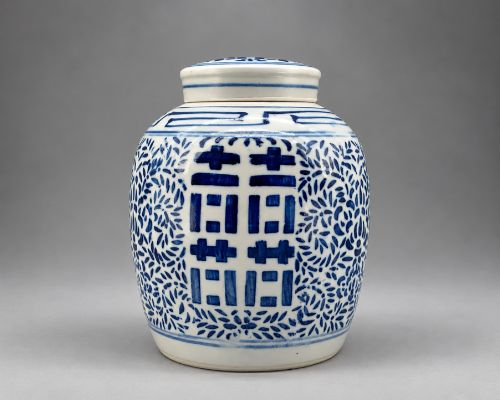
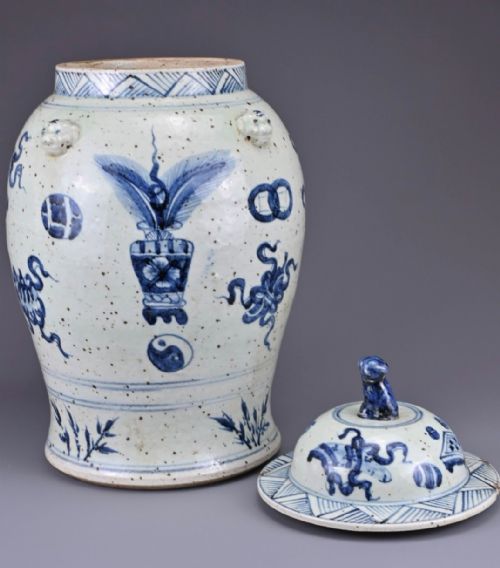
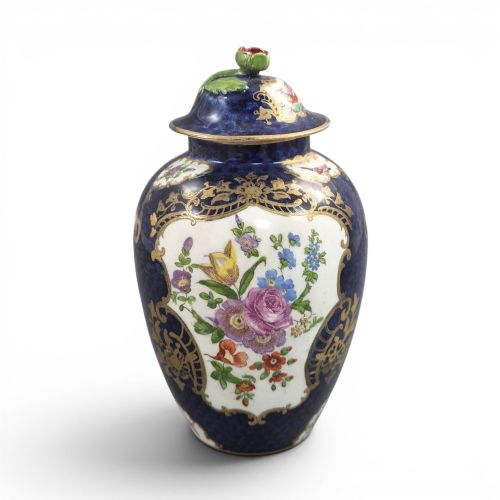
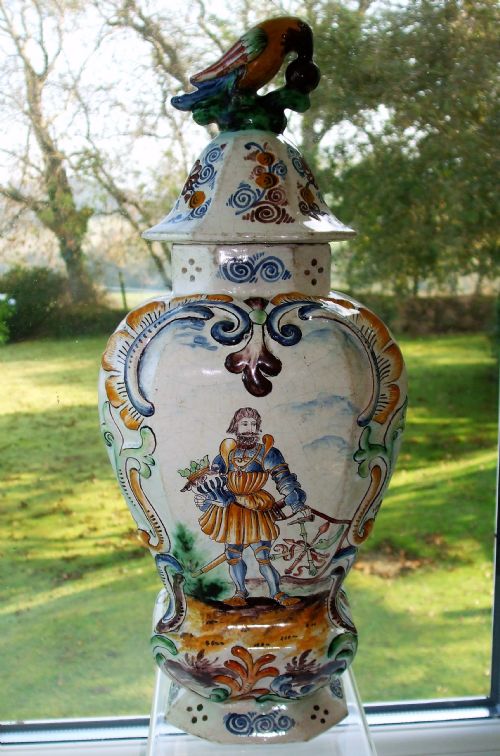
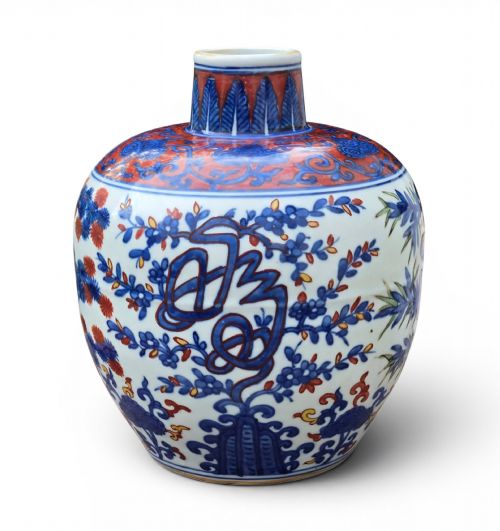
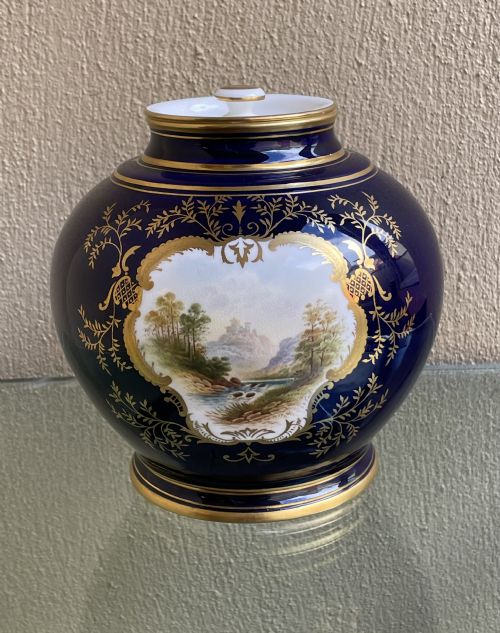
A blue ginger jar stands as a covered ceramic vessel originally designed to store spices, evolved through centuries into a decorative interior statement. When you search for this phrase on this page, you encounter pieces spanning the seventeenth through the twentieth centuries, originating from Chinese kilns, Japanese Arita workshops, and European potteries.
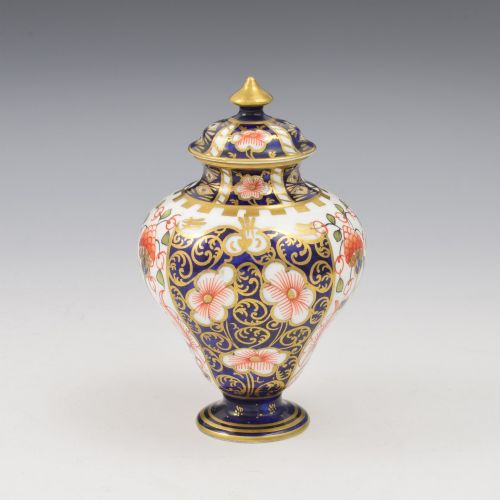
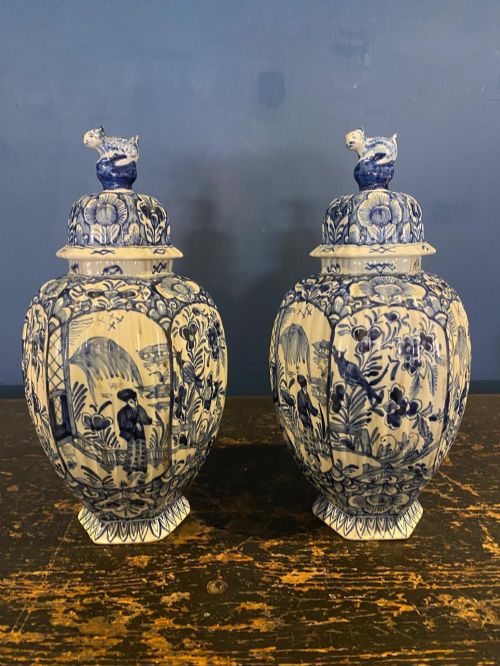
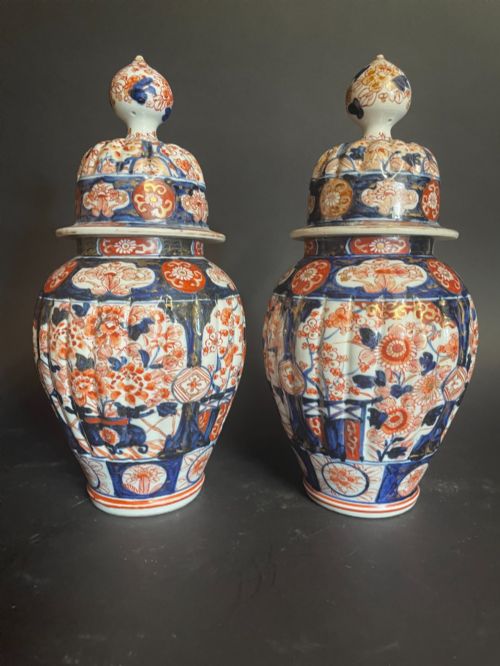
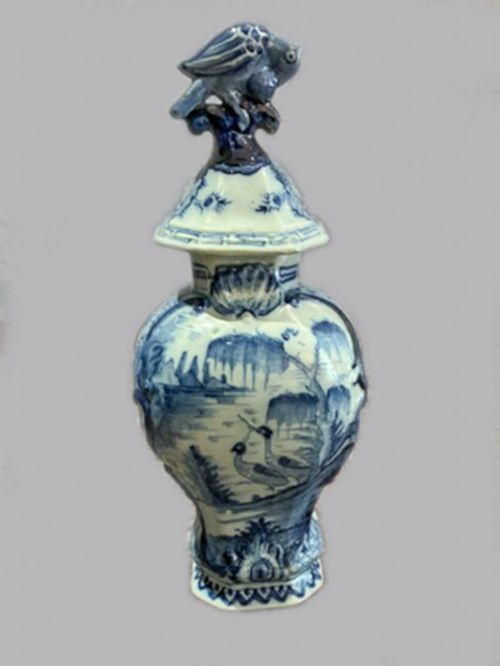
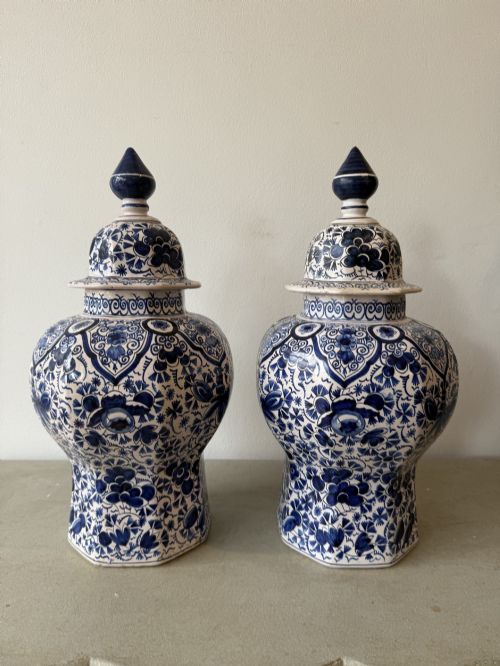
The most common examples you meet here take the form of porcelain and tin-glazed earthenware baluster or ovid shapes with fitted covers. These range from traditional cobalt-decorated Chinese blue and white creations to Japanese Imari interpretations and Dutch Delftware variations.
How They Were Made
Potters shaped these vessels from porcelain, earthenware, and ceramic bodies, applying glaze and mineral pigments before high-temperature firing. Cobalt oxide provided the deep blue tones across Chinese, Japanese, and European examples.
Many items incorporate additional decorative elements such as enamel, gold leaf, and brass mounts. Artisans also utilised crackle glaze and transfer-printing techniques depending on the period and origin.
Listings feature porcelain, earthenware, and tin-glazed ceramic bodies spanning from the seventeenth-century Kangxi period to twentieth-century European revivals.
What Varies in Quality
The distinction between ordinary and exceptional pieces lies in the crispness of the hand-painted cobalt detail and the balance of the ceramic form. Master painters achieved deep tonal variation within the blue pigment, whereas lesser examples present flat, uniform washes.
The quality of the potting itself dictates much of the value, visible in the symmetry of the baluster body and the precise fit of the matching cover. Early period pieces show intentional weight and resonance in the ceramic body that later mass-produced items lack.
The Blue Ginger Jar Glossary
- Baluster
- A vessel shape characterised by a rounded body that tapers toward the base, resembling an architectural baluster. This profile defines the classic silhouette of many lidded jars.
- Imari
- A style of Japanese porcelain decorated in underglaze blue, iron-red, and gold, named after the port of export. European potteries frequently copied these distinctive palettes.
- Tin-glazed earthenware
- Pottery covered with a tin-oxide glaze that turns white and opaque upon firing, providing a smooth surface for painting. Dutch Delftware is the most prominent European expression of this technique.
- Ovid
- An egg-shaped ceramic form frequently used for storage jars and vases. This contour provides a stable base and generous shoulder space for decoration.
Blue Ginger Jar: Frequently Asked Questions
What were blue ginger jars originally used for?
Merchants originally utilised these ceramic vessels to transport and store spices, herbs, and oils across international trade routes.
As the containers arrived in Europe filled with ginger and other commodities, collectors prized the durable porcelain bodies and repurposed them purely for interior display.
How do I identify Chinese versus European examples?
Chinese pieces typically feature denser porcelain bodies, underglaze cobalt tones that sit deep beneath the glaze, and traditional reign marks or symbol motifs.
European derivatives, such as Dutch Delftware or English earthenware, often employ tin-glazed surfaces over softer ceramic bodies with different weight and resonance.
How should I style a ginger jar at home?
These lidded vessels work effectively as standalone mantelpiece ornaments, table centrepieces, or paired as matching decorative bookends.
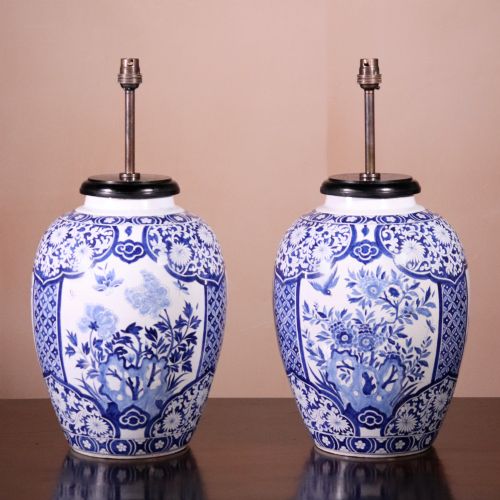
Some period examples have been adapted as table lamps while retaining their original ceramic bodies and covers.
How can I tell the period of a ginger jar?
Dating relies on examining the painting style, glaze characteristics, foot ring construction, and any baseline marks or signatures.
Comparing the cobalt hue and potting technique against documented periods from the seventeenth to the twentieth century provides the clearest indication of age.