

Blue Framed Print
These pieces of blue framed print bring together centuries of illustration, painting, and mapmaking bound for the wall.
Blue Framed Print
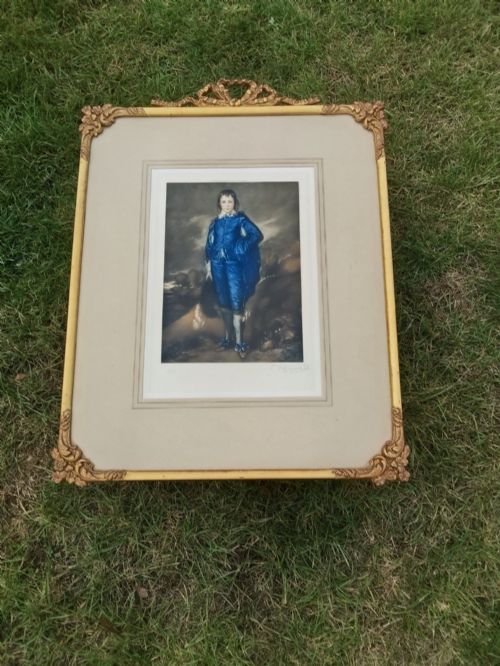
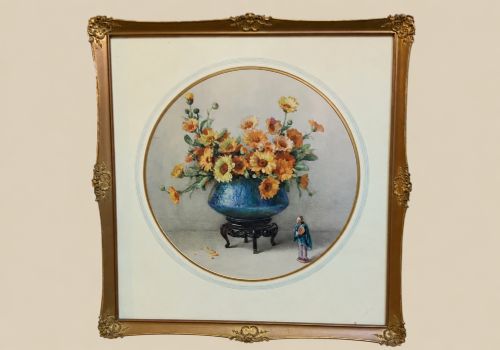
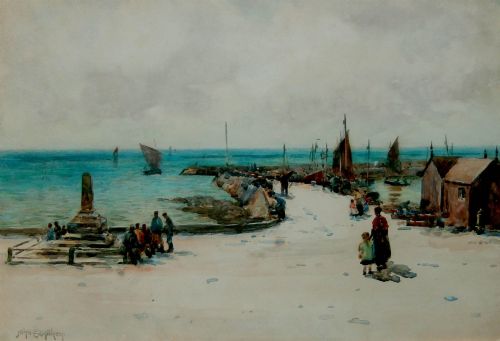
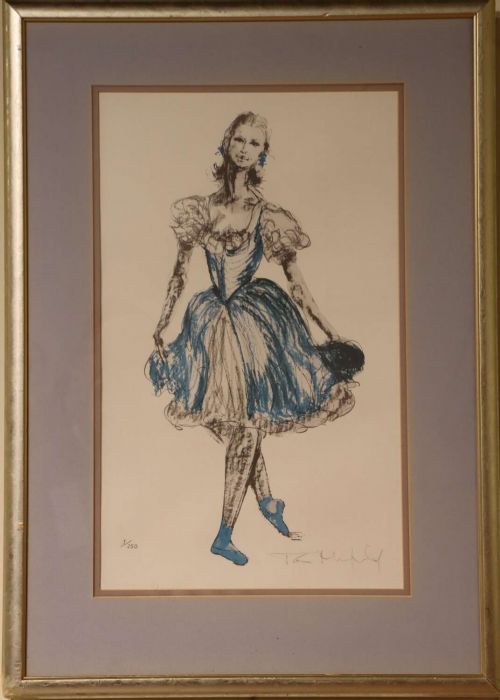
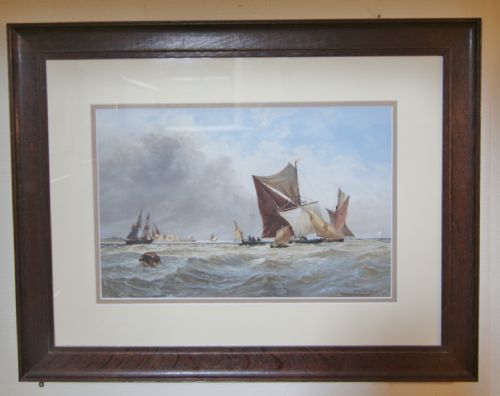
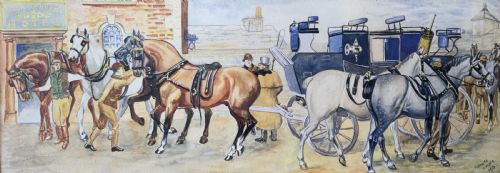
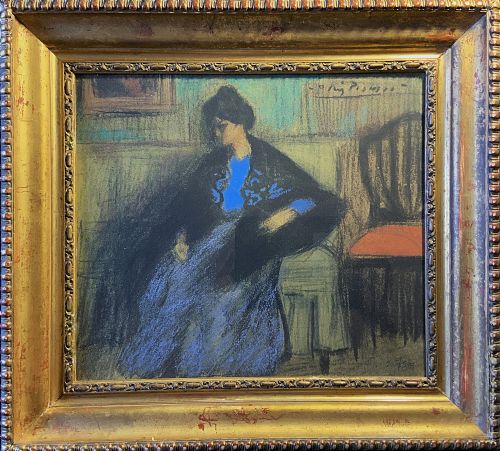
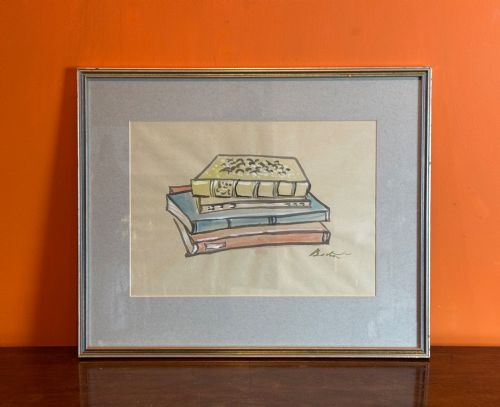
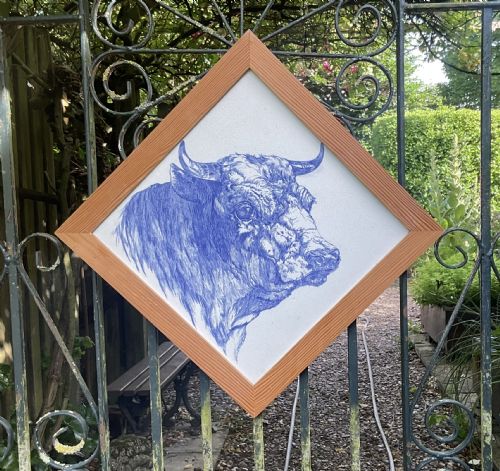
A blue framed print encompasses a wide variety of works on paper, spanning from eighteenth-century engravings and hand-coloured aquatints to mid-century lithographs and original watercolours. Buyers seek these items to introduce historic character, botanical studies, architectural plans, and maritime scenes into domestic interiors.
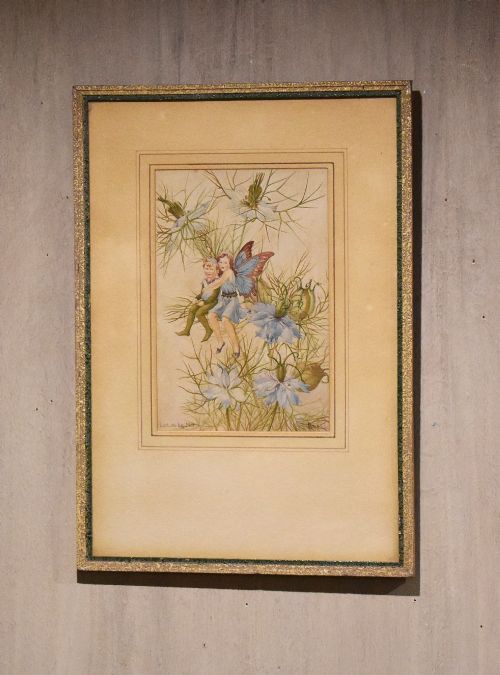
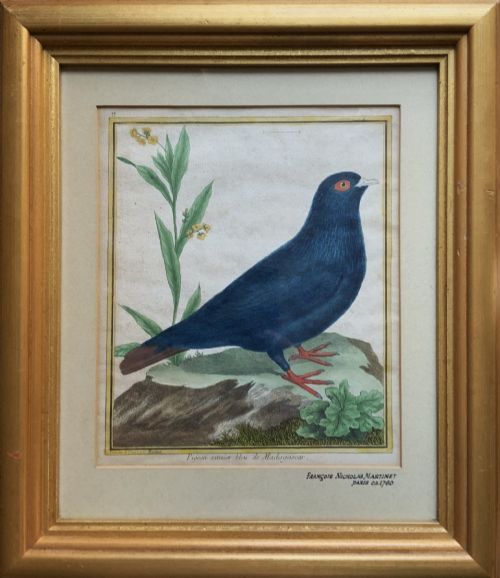
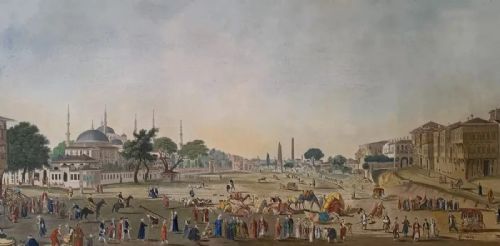
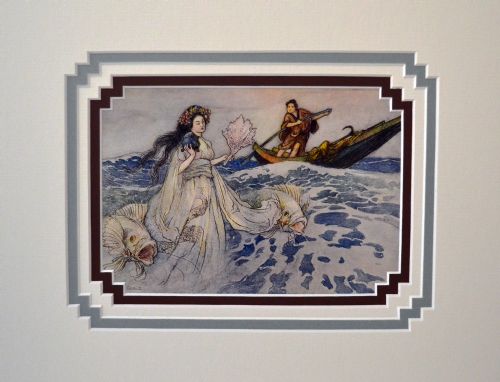
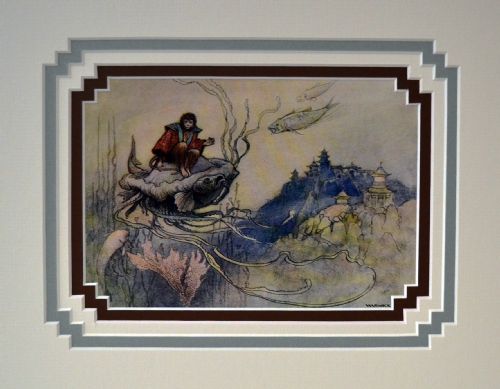
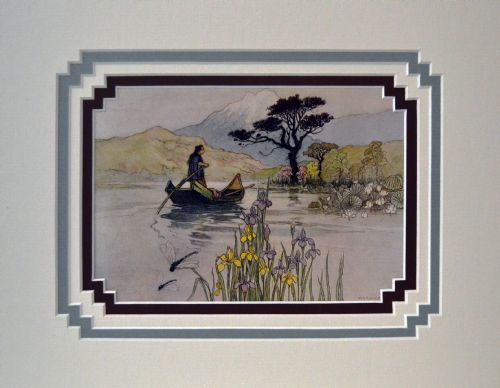
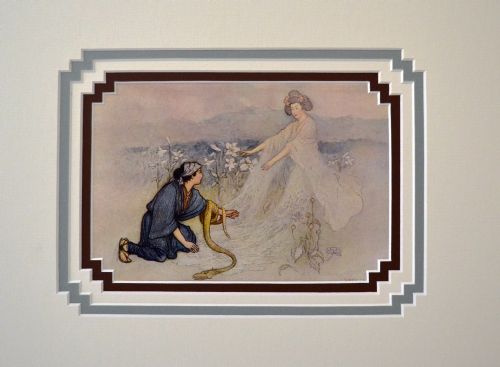
The selection ranges from early engravings by François-Nicolas Martinet to Japanese fairy tale illustrations by Warwick Goble and modernist prints. Architectural prints, topographical views of Constantinople and Venice, and natural history subjects frequently appear across the periods represented.
How They Were Made
Works are executed on paper using watercolour, ink, gouache, or produced as engravings, lithographs, and aquatints, often employing hand-colouring techniques. These images sit behind protective glass within surrounds fashioned from wood, giltwood, or gilt.
Framing materials reflect the period of production, utilising traditional timber moulding, gilded finishes, and occasionally oak or simple painted borders to enclose the works.
Blue Framed Print Retail Price Guide 2026
Typical asking prices for blue framed print among the pieces listed under this phrase on Sellingantiques today, from the lower quarter to the upper quarter. They describe what is for sale here now, not the wider market.
Flower fairies and four-masted barques share wall space here.
What Varies in Quality
The standard of an item depends upon the crispness of the original impression in printed works and the finesse of brushwork in watercolours. Master printmakers and listed artists achieve greater precision in line and tonal depth compared to anonymous commercial output.
Preservation of the paper support, the vibrancy of hand-applied pigment, and the integrity of the period frame contribute significantly to the standing of each piece.
François Nicolas Martinet·Warwick Goble·Braun and Hogenberg
The Blue Framed Print Glossary
- Engraving
- A printmaking method where a design is cut into a metal plate with a burin, holding ink in the incisions to produce fine lines on paper.
- Aquatint
- A printmaking technique that produces tonal areas resembling watercolour washes by acid-biting resin-covered plates.
- Lithograph
- A planographic printing process using a flat stone or metal plate on which image areas accept ink and non-image areas repel it.
- Pochoir
- A stencil-based printing method used to apply vibrant water-based colours by hand to published illustrations.
- Giltwood
- Timber carved and coated with a thin layer of gold leaf or metallic powder, commonly utilised on picture frames.
Blue Framed Print: Frequently Asked Questions
How do I hang a heavy framed artwork safely?
Ensure the wall fixings match the weight of the timber and glass assembly, utilising appropriate screws and raw plugs for plaster or brick.
Verify that the hanging wire or brackets secured to the wooden frame are structurally sound before mounting.
Can I place these pieces in direct sunlight?
Ultraviolet light degrades paper fibres and fades watercolours, inks, and hand-coloured pigments over time.
Position items away from windows receiving strong direct sunlight to preserve the integrity of the work.
How do I identify the period of a frame?
Frame construction techniques, corner joints, and the type of gilt or wood finish offer clear indicators of the era of manufacture.
Older frames often exhibit hand-carved mouldings and traditional corner mitres distinct from modern industrial production.
Are these works original or reproductions?
The inventory comprises original watercolours, period hand-coloured engravings, and vintage lithographs produced during their respective eras.
Examine the paper texture, plate marks, and ink application under magnification to confirm the printing or painting method.