



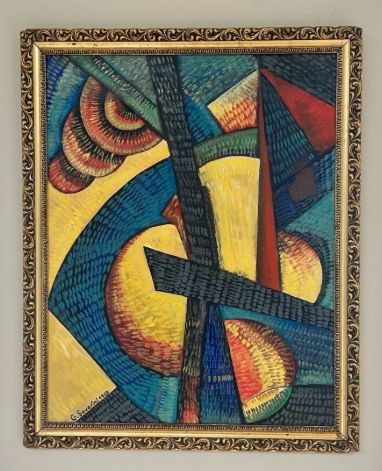
Blue Framed Artwork Print
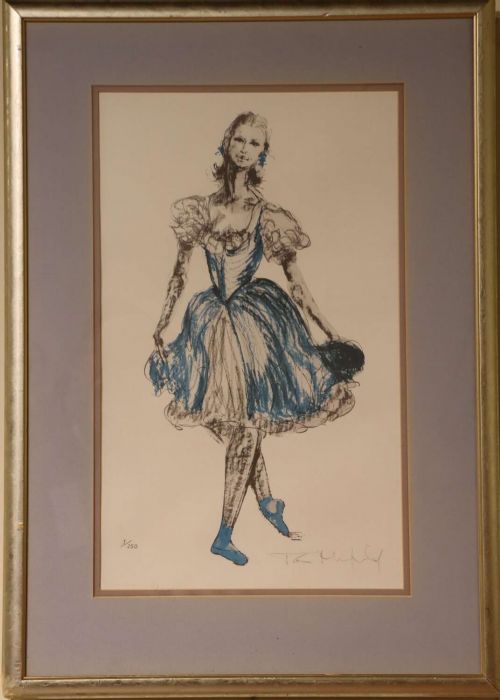
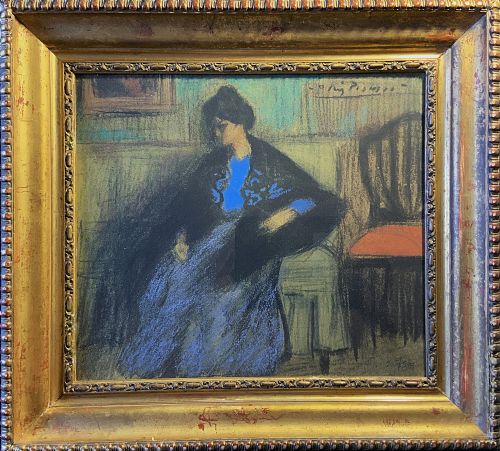
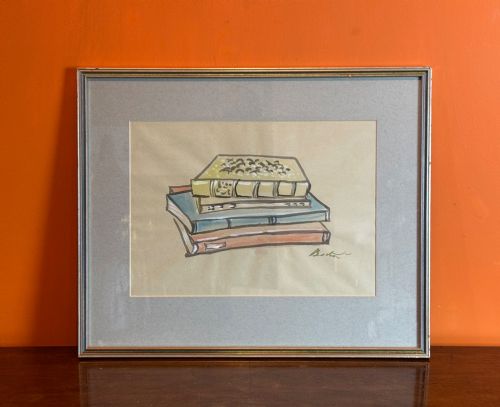
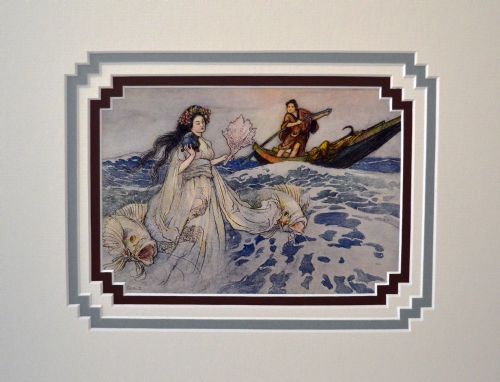
When you search for a blue framed artwork print, you are looking at wall art spanning watercolours, lithographs, and engravings housed in timber and glass.
Blue Framed Artwork Print
A blue framed artwork print brings together wall hanging art pieces enclosed within frames, often associated with maritime scenes, architectural plans, and botanical studies. These works encompass original watercolours, limited edition prints, and antique lithographs produced across the nineteenth and twentieth centuries.
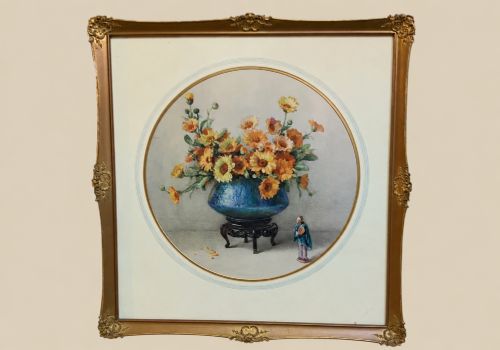
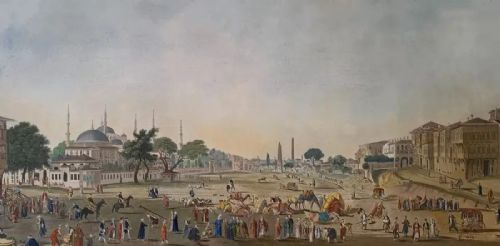
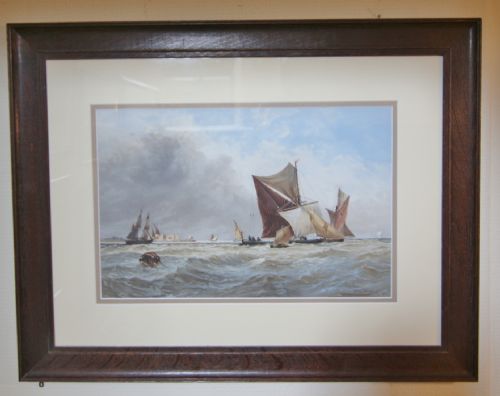
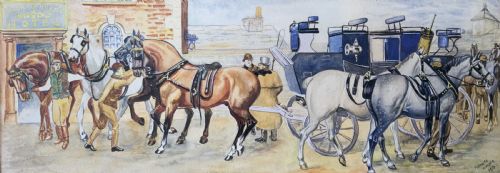
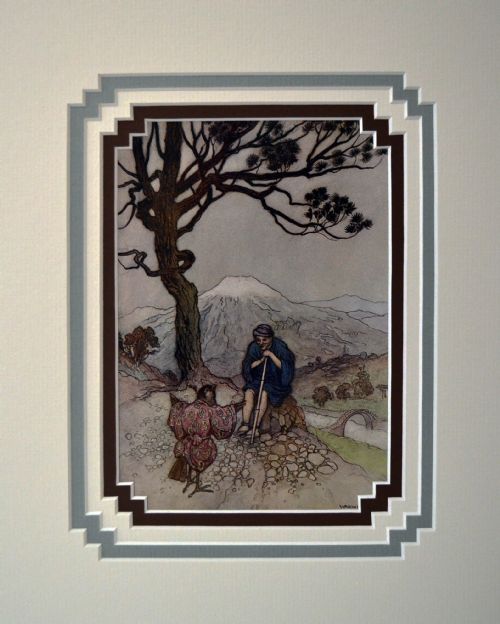
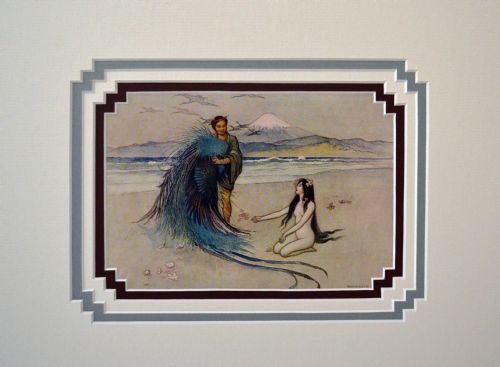
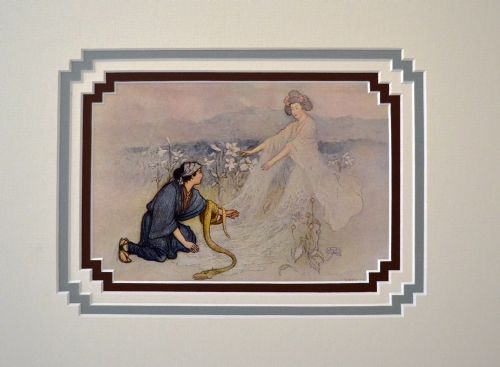
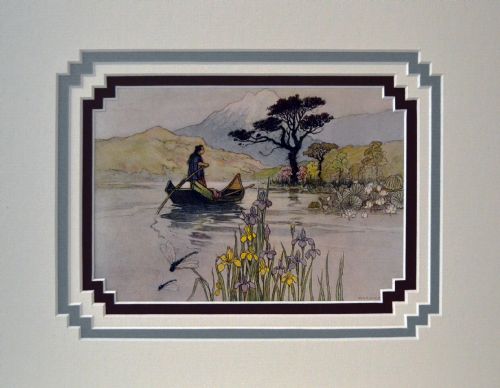
The selection ranges from Victorian maritime watercolours and Edwardian architectural prints to mid-century abstract oil paintings and Japanese fairy tale first edition prints. Buyers encounter diverse visual subjects including still lifes, horse racing scenes, and Venetian landscapes mounted behind glass.
The physical presentation relies heavily on period framing, with timber mouldings, gilt wood, and painted surrounds completing the composition. Each item functions as a self-contained decorative panel suited for domestic display.
How they were made
The works utilise traditional media including watercolour, ink, oil on canvas or board, and mixed media applied to paper or support panels. Print techniques span lithography, pochoir, engraving, and hand-coloured aquatint.
Protective glazing employs glass placed over the paper surface to shield delicate pigments from atmospheric moisture. Supporting structures combine wooden frames, sometimes highlighted with gilt, securing the artwork alongside backing boards.
Listings feature paper, glass, wood, watercolour, ink, and gilt wood across Victorian, Edwardian, and mid-century periods.
What varies in quality
The distinction between tiers rests upon the direct touch of the artist's hand in original watercolours versus the mechanical uniformity of mass reproduction. Original brushwork and signed limited runs command greater engagement than standard decorative prints.
The integrity of the framing materials also dictates worth, where period oak, gilt wood, and clean glass retain historical context. Pigment preservation without heavy fading or paper discolouration elevates the visual impact of the piece.
John E. Aitken·Anton Ignaz Melling·TB Hardy·John Meredith·Pablo Picasso·Cecil Beaton·Warwick Goble·Gabriel Dauchot·Gino Severini·James William Booth·Jean Hardy·Edith E Caswall·A. Winter Shaw·Frank Wood·Arthur Wardle·Snaffles·William Powell Frith·WF Mitchell·Henry Wimbush·Edward Lear
The Blue Framed Artwork Print Glossary
- Lithograph
- A planographic printmaking process using a stone or metal plate to transfer ink onto paper. It allows for fine tonal gradations and was widely utilised for 19th-century illustration.
- Aquatint
- An intaglio printmaking technique that produces areas of tone resembling watercolour washes. Copper plates are etched with acid through a porous resin ground.
- Pochoir
- A stencil-based printing method used to apply vibrant hand-coloured details to prints. It became prominent during the Art Deco period.
- Gilt Wood
- Timber carved and coated with a thin layer of gold leaf or metallic powder. It provides reflective ornamentation to period frames.
- Watercolour
- A painting method in which pigment is suspended in a water-soluble binder. It is traditionally applied to absorbent paper.
Blue Framed Artwork Print: Frequently Asked Questions
How do I hang a heavy framed print safely?
Ensure the wall fixings match the weight of the timber frame and glass. Utilise appropriate wall plugs and screws secured directly into masonry or studs.
Check that the hanging wire or brackets on the back of the frame are securely fastened to the wooden structure before mounting.
Can I display these artworks in direct sunlight?
Direct sunlight causes fading in watercolours, inks, and coloured papers over time. Position pieces away from unshaded south-facing windows to protect the pigments.
Consider specialist UV-filtering glass if placement in a bright room is unavoidable.
How should I clean the glass on antique frames?
Apply a mild glass cleaner to a soft microfibre cloth rather than spraying directly onto the frame. This prevents moisture from seeping under the glass and damaging the paper art.
Ply gentle strokes to avoid disturbing older timber finishes or loosening fragile mitre joints.
What indicates a Victorian print?
Victorian prints often feature characteristic typography, subject matter such as maritime vessels or portraits, and heavier paper stocks. Framing styles from this era typically include deep timber moulding.
Examining the reverse often reveals period backing papers, framer labels, or handwritten inscriptions.