
Blue Floral Pitcher
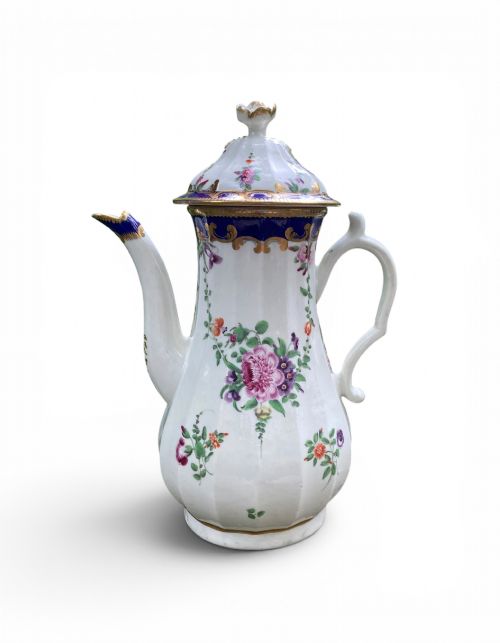
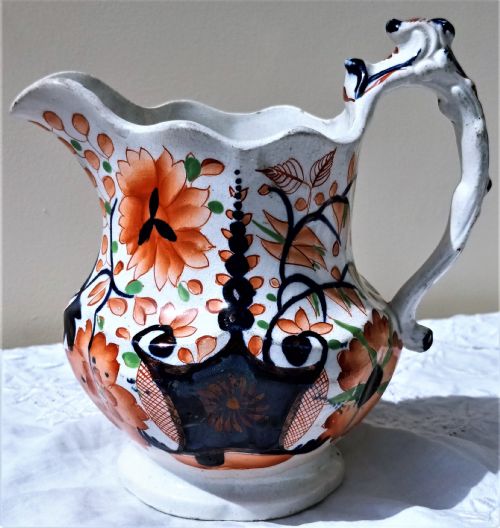
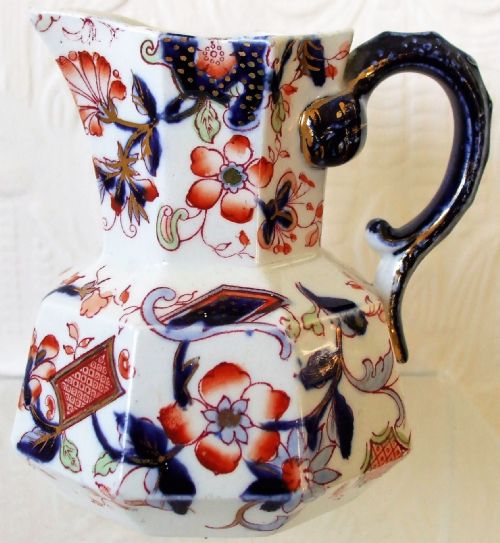
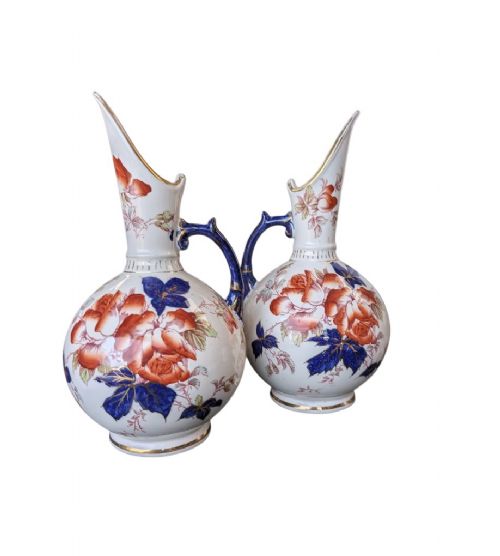
A blue floral pitcher brings together practical pouring forms and vibrant botanical decoration from the eighteenth and nineteenth centuries.
Blue Floral Pitcher
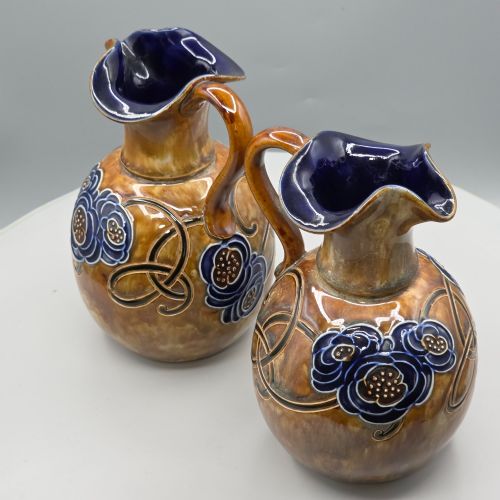
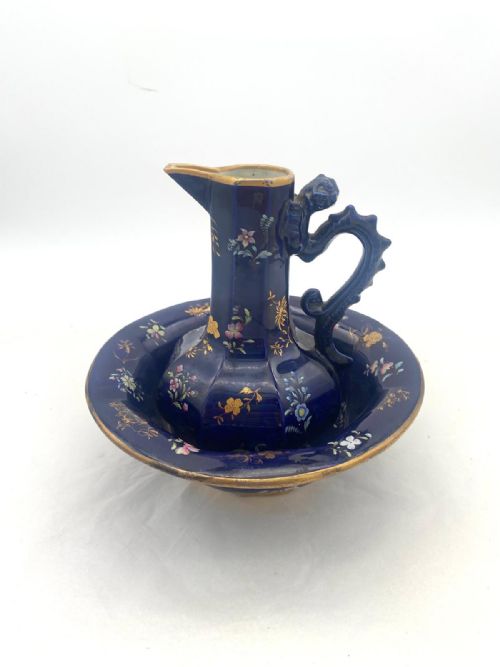
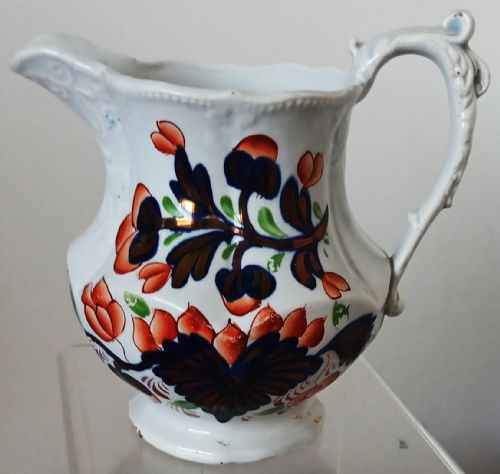
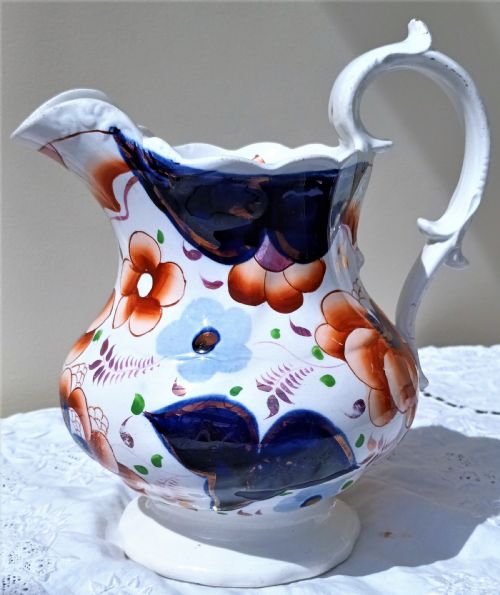
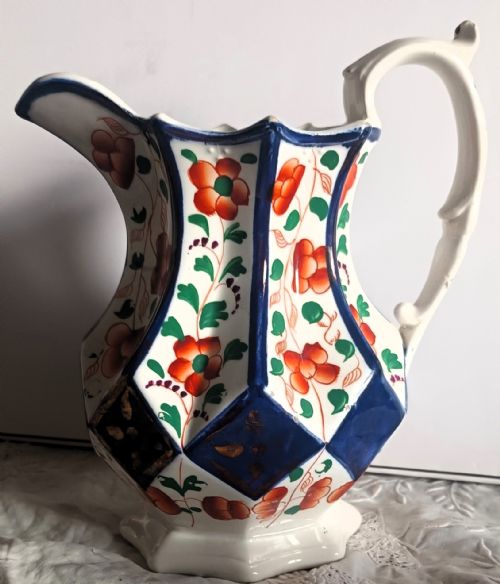
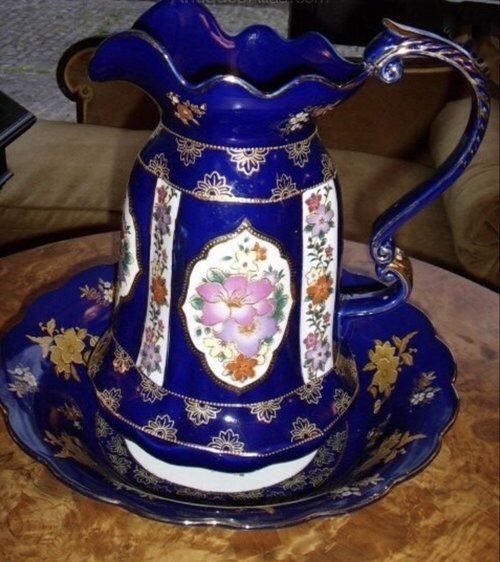
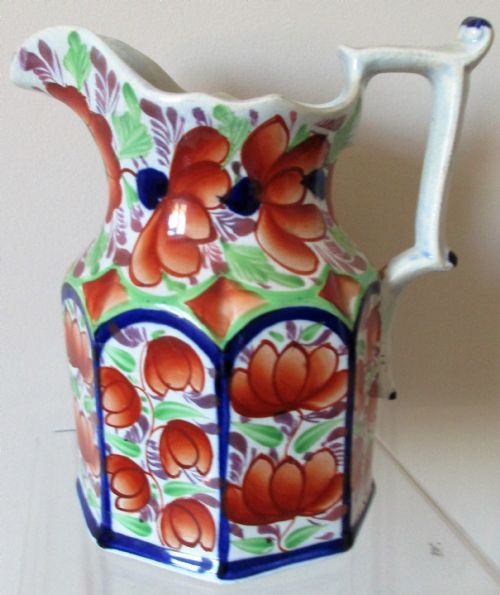
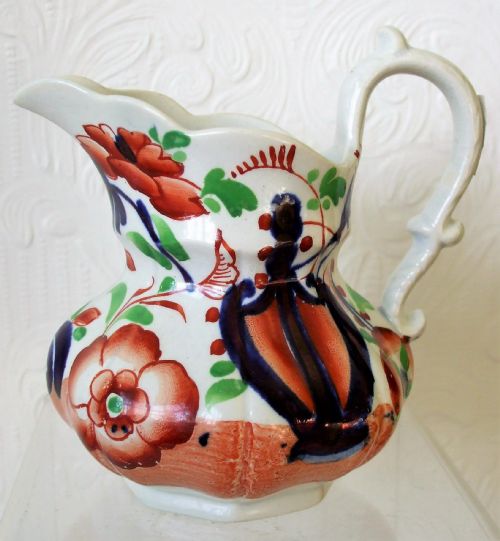
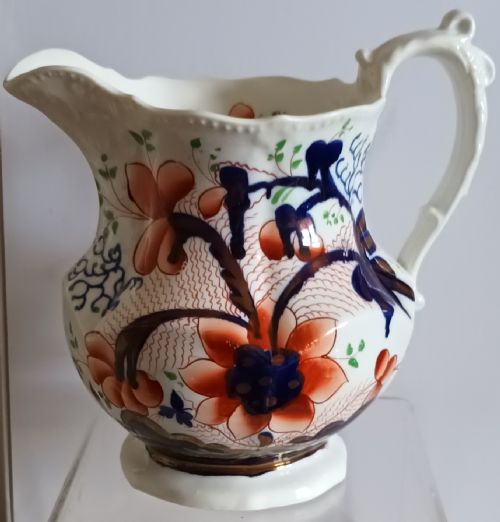
A blue floral pitcher is a ceramic vessel designed for serving or washing, frequently appearing in forms like jugs, pitchers, and washstand sets. You will regularly encounter Victorian Gaudy Welsh examples alongside earlier earthenware and porcelain pieces from the Georgian and eighteenth-century periods.
Makers utilised various traditional patterns such as Grape, Drape, Pagoda, and Harlech on these ceramic bodies. Many items form part of larger jug and basin sets intended for nineteenth-century bedroom washstands.
How they were made
Potters shaped these objects from earthenware, ironstone, and porcelain, applying lead or tin glazes to seal the ceramic body. Cobalt blue pigment and enamel colours provided the floral decoration, sometimes enhanced with copper lustre or gold leaf details.
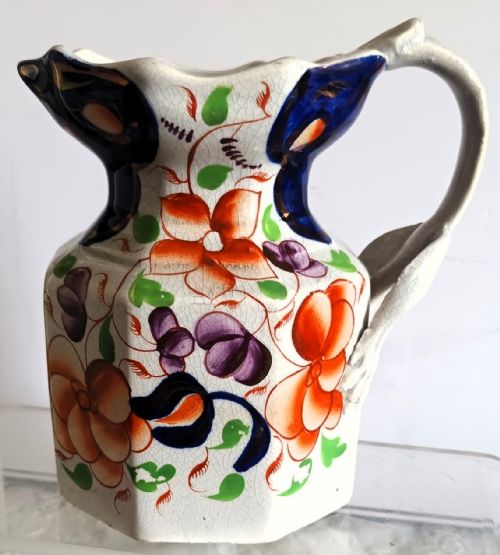
Firing took place in traditional kilns, fixing the hand-painted or transferred floral motifs beneath or above the glaze. Certain works incorporate moulded mask heads or applied handles shaped during the forming stage.
Listings feature earthenware, porcelain, and tin-glazed ceramics decorated with cobalt blue floral patterns across eighteenth and nineteenth-century periods.
What varies in quality
The precision of the botanical painting distinguishes standard production from finer studio or factory output. Crispness in the cobalt blue pigment and control over the enamel application indicate greater skill in the decorating workshop.
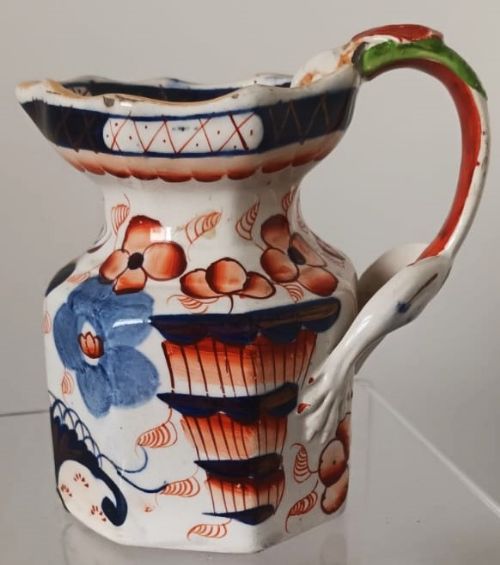
The complexity of the ceramic form, such as moulded hydra handles or octagonal bodies, affects the overall standard. Early porcelain and tin-glazed pieces show different levels of refinement in the clay body and glaze finish.
Royal Doulton·Masons Ironstone·Keeling And Co·Doulton Burslem·Charlotte Rhead·Caughley Coalport·Sir Edmund Elton
The Blue Floral Pitcher Glossary
- Earthenware
- Porous pottery fired at lower temperatures, requiring a glaze to hold liquids. It forms the body of many nineteenth-century jugs.
- Ironstone
- A durable type of heavy earthenware patented in the nineteenth century. It resists chipping and served as a strong base for floral patterns.
- Tin-Glaze
- An opaque white glaze containing tin oxide, used on earthenware to provide a smooth surface for painted blue decoration.
- Copper Lustre
- A metallic copper film applied over the glaze and fired to produce a reflective, iridescent sheen on pottery vessels.
- Hydra Jug
- A pitcher featuring a specific moulded serpent-handle shape derived from classical antiquity, popular on English ceramic pieces.
Blue Floral Pitcher: Frequently Asked Questions
How do I date a blue floral pitcher?
Examine the ceramic body, glaze type, and pattern style to establish a general period. Earthenware bodies with tin glaze often point to the eighteenth century, whilst ironstone and Gaudy Welsh patterns typically belong to the Victorian era.
Maker marks, where present on the base, help narrow down the decade of production. Stylistic clues such as Arts and Crafts or Regency forms provide further chronological context.
Can I use these pitchers for serving liquids?
Many antique pitchers remain structurally sound for holding water or other liquids. However, older earthenware and porous ceramic bodies can be sensitive to thermal shock and moisture over time.
Inspect the interior for any hairline cracks or crazing in the glaze before putting the vessel to practical use. Displaying them as decorative objects or part of a washstand set preserves their condition.
What is Gaudy Welsh pottery?
Gaudy Welsh pottery refers to a distinct style of earthenware decorated with bright cobalt blue, copper lustre, and enamel colours. These wares were produced in large quantities during the nineteenth century with specific patterns like Pagoda and Harlech.
They are collected for their vibrant palette and characteristic floral motifs applied to jugs and tableware. The name reflects the colourful aesthetic popular in Welsh households of the period.